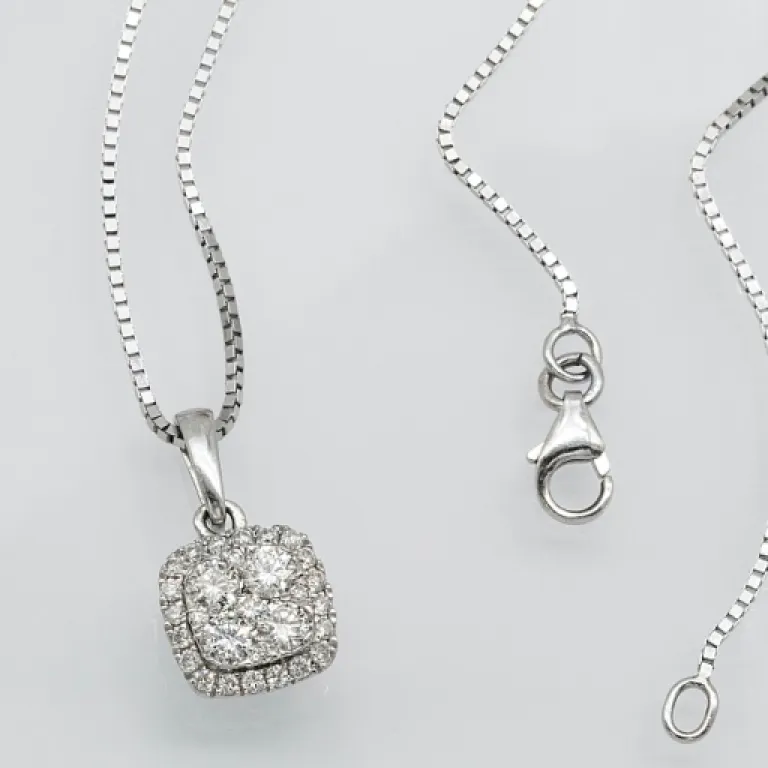
Understanding the rarity of pink diamonds
Why Pink Diamonds Stand Out in Fine Jewelry
Pink diamonds have long captured the fascination of collectors and connoisseurs. Unlike regular white diamonds, these gems are exceptionally rare, making them a coveted centerpiece in any diamond necklace, ring, or pair of earrings. Their unique hue—ranging from soft blush to intense purple pink—results from trace elements and structural anomalies during formation, not from artificial treatments. This natural rarity drives both the allure and the price of pink diamond jewelry.
Origins and Scarcity: The Argyle Legacy
Most of the world's pink diamonds have historically come from the Argyle mine in Australia. With the mine's closure, the supply of certified Argyle pink diamonds has dwindled, further increasing their value and desirability. Whether set in a cushion cut diamond ring or a pear shape diamond pendant, Argyle pink stones are now considered some of the most collectible in the market. Their scarcity means that even small carat weights command a premium over regular price points for white diamonds.
Natural vs. Lab-Grown: Understanding Value
While lab-created pink diamonds offer a more accessible price sale, natural stones remain the gold standard for investment and status. The distinction between fancy pink and regular diamonds is not just about color, but also about provenance and certification. Fine jewelry owners should always seek certified stones, especially when considering a sale or purchase of a pink diamond necklace or diamond ring.
- Color intensity: Fancy pink and purple pink shades are most prized
- Carat and shape: Larger carat weights and unique shapes like pear or cushion cut increase rarity
- Setting: Halo designs in white gold or gold enhance the visual impact of pink diamonds
For those interested in the broader world of rare diamonds, exploring the allure of a 10 carat diamond ring provides further insight into how rarity and size influence desirability and price in fine diamond jewelry.
Evaluating the quality of a pink diamond necklace
Key Factors That Define a Pink Diamond Necklace’s Value
When evaluating a pink diamond necklace, several elements come into play that set it apart from regular diamond jewelry. Unlike white diamond necklaces, pink diamonds are prized for their rarity and unique color intensity. Understanding what impacts their price and desirability can help you make informed decisions, whether you’re considering a necklace, a pink diamond ring, or even diamond earrings.
- Color Intensity and Hue: The most critical factor is the depth and purity of the pink color. Fancy pink and purple pink diamonds command higher prices, especially those with vivid saturation. Argyle pink diamonds, sourced from the renowned Argyle mine, are particularly sought after for their rich hues.
- Carat Weight: As with all fine diamond jewelry, the carat weight significantly influences the price. Larger stones in a necklace or diamond pendant are rare and can dramatically increase both the regular price and sale price.
- Cut and Shape: The cut affects how the diamond reflects light. Pear shape, cushion cut, and halo settings are popular choices for pink diamond necklaces, enhancing the stone’s brilliance. Cut fancy shapes can make a necklace white gold or yellow gold setting stand out.
- Clarity and Certification: Clarity refers to the presence of inclusions. Certified pink diamonds, especially those with minimal inclusions, are more valuable. Always look for certification from reputable labs to ensure authenticity and quality.
- Origin and Type: Natural pink diamonds are rarer and more valuable than lab-created stones. Argyle pink diamonds, in particular, have a premium due to their limited supply. Lab pink diamonds offer a more accessible price point but differ in investment potential.
It’s also important to compare the necklace to other pieces, like a diamond ring or diamond earrings, to understand how the combination of carat, color, and cut influences the overall value. For those interested in the broader world of diamond jewelry, exploring the allure of 14-carat diamond stud earrings can provide additional insights into quality benchmarks and price considerations.
| Feature | Impact on Value |
|---|---|
| Color (Fancy, Purple Pink, Argyle) | Higher intensity and rare origins increase price |
| Carat | Larger stones command premium prices |
| Cut (Pear, Cushion, Halo) | Enhances brilliance and uniqueness |
| Certification | Ensures authenticity and supports investment value |
| Type (Natural vs Lab) | Natural stones are more valuable, lab options are more accessible |
Whether you’re considering a necklace white gold setting or a bold diamond pendant, understanding these factors helps you appreciate the true value of fine pink diamond jewelry.
Design considerations for pink diamond necklaces
Choosing the Right Setting and Style
When it comes to pink diamond necklaces, design is more than just aesthetics—it’s about maximizing the beauty and value of each stone. The setting you choose can dramatically influence how the pink diamond interacts with light, its perceived size, and even its price. For example, a halo of white diamonds around a fancy pink center stone can enhance the color intensity and create a striking contrast, making the necklace a true statement piece. White gold and platinum are popular choices for settings, as they complement both pink and white diamonds, while yellow or rose gold can add warmth and depth to the overall look.
- Shape and Cut: Pear shape, cushion cut, and round brilliant cuts are favored for pink diamond necklaces. Each shape offers a unique play of light and can affect the price and rarity. A cushion cut pink diamond, for instance, often displays a rich saturation of color.
- Carat and Arrangement: The carat weight and how the diamonds are arranged—whether as a single pendant, a line necklace, or a cluster—impact both the regular price and sale price. Larger carat stones, especially those certified as Argyle pink, command a premium.
- Accent Stones: Incorporating white diamonds or even purple pink stones as accents can elevate the necklace’s appeal. This is a common design choice in fine diamond jewelry, including earrings and rings.
- Matching Pieces: Consider how the necklace pairs with other jewelry, such as diamond earrings or a pink diamond ring. Coordinated sets often increase the perceived value and desirability, especially for engagement or special occasions.
Modern Trends and Customization
Today’s collectors often seek unique, personalized designs. Customizing your pink diamond necklace—choosing a specific cut fancy, opting for a rare Argyle pink, or adding a diamond pendant—can set your piece apart. Lab-created pink diamonds are also gaining traction, offering a sustainable and often more accessible price point while maintaining the allure of natural stones.
For those interested in how colored gemstones can complement pink diamonds, explore why tsavorite garnet jewelry stands out in fine collections. Mixing colored stones with pink diamonds can create a distinctive, modern look that appeals to both traditional and contemporary tastes.
Balancing Aesthetics and Investment
While design is deeply personal, it’s wise to consider how choices like carat, certified stones, and the use of white or rose gold may affect the necklace’s long-term value. Pieces featuring rare Argyle pink diamonds or unique shapes like pear or cushion cut tend to retain or increase in value, especially when paired with fine craftsmanship. Whether you’re purchasing for personal enjoyment or as an investment, thoughtful design choices ensure your pink diamond necklace stands out in any collection.
Caring for your pink diamond necklace
Daily Handling and Storage Tips
Pink diamond necklaces are prized for their rarity and beauty, but their value is also tied to how well they are cared for. Whether your necklace features a cushion cut, pear shape, or a fancy pink diamond halo, proper handling is essential. Always put on your diamond necklace after applying cosmetics or perfume to avoid residue buildup. When not wearing your piece, store it in a soft-lined box or a fabric pouch, separate from other diamond jewelry like rings or earrings, to prevent scratches.
Cleaning Your Pink Diamond Necklace
Regular cleaning preserves the brilliance of both pink and white diamonds. Use a mild soap solution and a soft brush to gently clean the necklace, paying close attention to the settings and the back of the stones. Avoid harsh chemicals, especially if your necklace is set in white gold or features a halo of smaller diamonds. For intricate designs or certified argyle pink diamonds, consider professional cleaning at least once a year to maintain their fine appearance and value.
Professional Maintenance and Inspections
Even with careful daily care, periodic professional inspections are crucial. A jeweler can check for loose prongs, worn settings, or any damage to the gold or platinum. This is especially important for necklaces with fancy pink or purple pink diamonds, as their unique cuts and settings can be more delicate than regular white diamond jewelry. Certified professionals can also verify the authenticity of your pink diamond and ensure your investment remains secure.
Protecting Your Investment
- Insure your pink diamond necklace for its full value, considering both the regular price and any sale price adjustments.
- Keep documentation, such as certificates for argyle pink diamonds or lab reports for lab-created stones.
- Be mindful of environmental factors; avoid exposing your necklace to extreme temperatures or chemicals.
By following these care guidelines, you help preserve the beauty, value, and investment potential of your pink diamond necklace, whether it’s a classic diamond pendant, a bold pear shape, or a fine engagement piece.
The investment potential of pink diamond jewelry
Why Pink Diamond Necklaces Stand Out in the Investment World
Pink diamonds have consistently outperformed many other gemstones in terms of value appreciation. Their rarity, especially those sourced from the renowned Argyle mine, has driven demand among collectors and investors alike. Unlike regular white diamond necklaces, a pink diamond necklace often commands a higher price per carat, particularly when the stone is a certified fancy pink or purple pink hue.Factors Influencing Price and Value
Several elements determine the investment potential of a pink diamond necklace:- Color Intensity: Fancy pink diamonds, especially those with vivid saturation, are more sought after and fetch a higher sale price compared to lighter shades.
- Origin: Argyle pink diamonds are especially prized due to their limited supply and unique color profile.
- Shape and Cut: Pear shape, cushion cut, and halo designs can enhance the visual appeal and perceived value of the necklace.
- Carat Weight: Larger stones, even in a diamond pendant or diamond ring, increase both the price and investment potential.
- Certification: Certified pink diamonds provide assurance of authenticity and quality, which is crucial for resale and long-term value.
Comparing Pink Diamond Jewelry to Other Options
When compared to white diamond earrings, diamond rings, or regular diamond necklaces, pink diamond jewelry tends to hold or increase its value more reliably. This is partly due to the limited supply and the growing global interest in colored stones. Even lab-created pink diamonds, while more accessible in terms of price, do not match the investment profile of natural stones.| Jewelry Type | Typical Price Range | Investment Potential |
|---|---|---|
| Pink Diamond Necklace | High (especially Argyle, fancy, or certified) | Excellent (limited supply, high demand) |
| White Diamond Necklace | Moderate to High | Good (stable, but less rare) |
| Lab Pink Diamond Necklace | Lower | Limited (not as rare or collectible) |
Market Trends and Sale Opportunities
The market for pink diamond jewelry, including engagement rings, stud earrings, and diamond pendants, has seen steady growth. Auction results often show pink diamond necklaces achieving sale prices well above their regular price, especially for rare shapes and high-carat stones. For those considering a sale, timing and certification are key factors in maximizing returns. In summary, a fine pink diamond necklace is not just a statement of luxury but a strategic asset in a diversified jewelry portfolio. Whether set in white gold or yellow gold, the unique combination of rarity, beauty, and enduring demand makes pink diamonds a compelling choice for both collectors and investors.Ethical sourcing and authenticity in pink diamond necklaces
Ensuring Authenticity and Responsible Sourcing
When considering a pink diamond necklace, authenticity and ethical sourcing are as important as the stone’s color or carat. The demand for fancy pink diamonds, especially those from renowned sources like the Argyle mine, has led to a surge in both natural and lab-created options. Understanding the difference between a certified natural pink diamond and a lab-grown alternative is crucial for both investment and ethical reasons.
- Certification: Always request a certificate from a reputable gemological laboratory. This document verifies the diamond’s origin, whether it’s a natural or lab pink diamond, and details about its cut, carat, and color. Certification is essential for resale value and insurance purposes, especially for high-value pieces like a pink diamond necklace or a cushion cut diamond pendant.
- Ethical Sourcing: Traceability matters. Diamonds sourced from conflict-free zones and responsible mines, such as the now-closed Argyle mine, carry a premium. Ask your jeweler about the diamond’s provenance and ensure it complies with international ethical standards. This is particularly important for pink diamond engagement rings and fine jewelry, where transparency builds trust.
- Lab vs. Natural: Lab-created pink diamonds offer a more accessible price point compared to their natural counterparts. While both can be set in white gold, yellow gold, or platinum, the regular price and sale price will differ significantly. For those seeking a rare investment, natural Argyle pink diamonds remain highly sought after, while lab options are ideal for those prioritizing ethical sourcing and affordability.
Whether you’re considering a pink diamond ring, stud earrings, or a pear shape diamond necklace, always prioritize certified stones and transparent sourcing. This not only protects your investment but also ensures your jewelry aligns with modern values of responsibility and authenticity.
