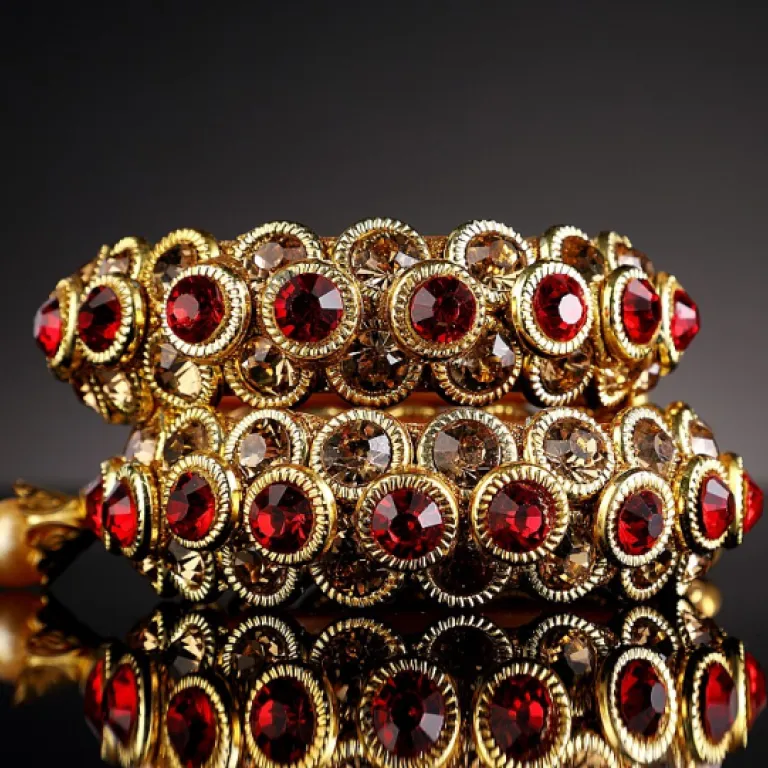
Understanding the symbolism of the hamsa in jewelry
The enduring power of the hamsa symbol
The hamsa, often recognized as a stylized hand with an eye in its center, has been a symbol of protection and good luck for centuries. Originating in the Middle East, this ancient motif is deeply rooted in both Jewish and broader cultural traditions. In fine jewelry, the hamsa is more than just a decorative element—it carries a rich narrative of safeguarding against the evil eye and attracting positive energy.
Many believe that wearing a hamsa pendant or necklace helps ward off negativity and brings blessings. The eye, often featured in the palm, is a direct reference to the evil eye, a concept prevalent in various cultures. This makes the hamsa necklace a thoughtful choice for those seeking both beauty and meaning in their jewelry collection.
- Jewish jewelry: The hamsa, sometimes called the Hand of Fatima, is a prominent motif in Jewish necklaces and pendants, often paired with the Star of David for added symbolism.
- Material significance: Hamsa jewelry comes in a variety of precious metals, including gold, white gold, yellow gold, sterling silver, and gold plated finishes. Each material adds its own layer of elegance and value, whether you prefer the warmth of solid gold or the classic appeal of sterling silver.
- Artisan craftsmanship: Intricate hamsa filigree designs showcase the skill of artisans, making each piece unique. Some pendants feature delicate filigree work, while others highlight bold, modern lines.
Today, the hamsa is a popular choice in fine jewelry stores, often available for sale as necklaces, pendants, and even as part of jewelry sets. Its enduring popularity is a testament to its universal appeal and the quality of craftsmanship behind each piece. Whether you are drawn to a gold hamsa, a silver hamsa pendant, or a gold plated design, the meaning behind the symbol remains a key reason for its continued presence in the world of jewelry.
For those interested in exploring how the hamsa fits into the broader context of fine jewelry symbolism and style, you might also enjoy reading about timeless elegance in jewelry design.
How artisans craft a necklace hamsa
From Ancient Symbol to Modern Masterpiece
The journey of a hamsa necklace from concept to finished jewelry is a blend of tradition, artistry, and meticulous technique. The hamsa, often depicted as a hand with an eye at its center, is a powerful symbol in Middle Eastern and Jewish jewelry, believed to offer protection against the evil eye and bring good luck. Today, artisans continue to honor these roots while embracing modern design and technology.
Materials and Techniques
Crafting a hamsa pendant starts with selecting the right materials. Gold, sterling silver, and gold plated options are popular choices, each offering a unique character and price point. Solid gold hamsa necklaces, whether in yellow gold or white gold, are prized for their lasting value and luxurious feel. Sterling silver and gold plated pendants offer more accessible options without sacrificing style or quality.
- Filigree work: Many hamsa pendants feature intricate filigree, a delicate metalwork technique that creates lace-like patterns, adding depth and elegance to the design.
- Gemstone accents: Artisans may incorporate stones such as turquoise, diamonds, or sapphires, often set in the eye or along the hand, enhancing both beauty and symbolism.
- Symbolic details: Some pieces blend the hamsa with other motifs like the star of David, creating unique jewish necklaces that reflect personal or cultural identity.
Craftsmanship and Quality
Quality is paramount in fine hamsa jewelry. Reputable stores and jewelers use time-honored techniques, ensuring each hamsa necklace or pendant is both beautiful and durable. Hand finishing, polishing, and careful inspection are essential steps before a piece is offered for sale. Whether you choose a bold gold hamsa or a subtle sterling silver design, craftsmanship defines the final result.
For those interested in the protective symbolism of the evil eye, exploring evil eye rings and jewelry can further enrich your collection and understanding of these enduring motifs.
Selecting the right necklace hamsa for your collection
Choosing a Hamsa Necklace That Reflects Your Style
When adding a hamsa necklace to your fine jewelry collection, it’s important to consider both symbolism and craftsmanship. The hamsa, often depicted as a hand with an eye, is a powerful symbol of protection and good luck, cherished in Jewish jewelry and throughout the Middle East. Selecting the right piece means balancing meaning, material, and personal taste.
- Material Matters: Decide between gold, white gold, yellow gold, solid gold, gold plated, or sterling silver. Each metal offers a distinct look and price point. For those seeking durability and timelessness, solid gold or sterling silver hamsa pendants are excellent choices. Gold plated and sterling options provide beauty at a more accessible price.
- Design Details: Hamsa jewelry comes in many forms, from minimalist pendants to intricate hamsa filigree. Some necklaces feature the evil eye or star of David, adding layers of symbolism. Consider if you prefer a simple hamsa hand or a pendant with added motifs for extra meaning.
- Quality and Craftsmanship: Examine the quality of the jewelry. Look for well-finished edges, secure clasps, and clear details in the hand fatima or eye design. Reputable stores will provide information about the materials and craftsmanship, ensuring your hamsa necklace is both beautiful and lasting.
- Personalization: Many fine jewelry stores offer custom options, such as engraving or combining the hamsa with other symbols. For a unique touch, explore personalized fine jewelry to complement your hamsa pendant.
- Matching Your Collection: Think about how the hamsa necklace will pair with your existing jewelry necklaces, pendants, or other pieces like rings and bracelets. A gold hamsa can elevate a collection of gold jewelry, while sterling silver hamsa necklaces blend seamlessly with modern or classic styles.
Whether you’re drawn to the spiritual significance, the artistry of hamsa filigree, or the investment value, choosing the right hamsa necklace is a personal journey. Take your time to explore different stores, compare quality and price, and select a piece that resonates with your style and values.
Styling your necklace hamsa with other fine jewelry
Pairing the Hamsa Necklace with Other Fine Pieces
Styling a hamsa necklace is about balance and intention. The hamsa, with its hand and eye motif, is a statement on its own, but it can also harmonize beautifully with other jewelry. Whether your hamsa pendant is crafted in yellow gold, white gold, or sterling silver, the right combinations can elevate your look and highlight the meaning behind your jewelry.- Layering with Other Necklaces: Layer your hamsa necklace with delicate chains or pendants, such as a star of David or a subtle evil eye motif. Mixing gold plated and sterling silver pieces can create a modern, textured effect. Just ensure the lengths vary to avoid tangling and to let each pendant stand out.
- Mixing Metals and Finishes: Don’t be afraid to combine gold, silver, and even gold plated jewelry. A solid gold hamsa pendant can be the centerpiece, surrounded by sterling silver or white gold accents. The contrast draws attention to the hamsa’s filigree details and quality craftsmanship.
- Coordinating with Earrings and Rings: Choose earrings or rings with subtle references to the hamsa, evil eye, or other Middle Eastern and Jewish jewelry symbols. For example, a pair of filigree earrings or a simple evil eye ring can echo the protective symbolism of your necklace without overwhelming your look.
- Occasion and Attire: For formal events, pair your hamsa necklace with understated jewelry necklaces and pendants. For everyday wear, mix in playful elements like gold plated chains or a star David charm for a touch of good luck and personal meaning.
Tips for a Cohesive Look
- Stick to a color palette that complements your hamsa jewelry—yellow gold, white gold, or sterling silver.
- Let the hamsa pendant be the focal point when wearing multiple pieces.
- Consider the symbolism: pairing the hamsa with other protective motifs like the evil eye or star David can reinforce the jewelry’s meaning.
- Quality matters—choose fine jewelry from a reputable store to ensure your pieces age gracefully and retain their value.
Caring for your necklace hamsa
Preserving the Beauty and Symbolism of Your Hamsa Necklace
Fine jewelry, especially pieces like a hamsa necklace, deserves careful attention to maintain both its elegance and its symbolic meaning. Whether your hamsa pendant is crafted from solid gold, sterling silver, or gold plated materials, proper care ensures it remains a cherished part of your collection for years.- Gentle Cleaning: Use a soft, lint-free cloth to wipe your hamsa jewelry after each wear. For gold hamsa or yellow gold pieces, a mild soap and warm water solution can help remove oils and residue. Avoid harsh chemicals, especially with gold plated or sterling silver necklaces, as they can damage the finish.
- Storage Matters: Store your hamsa necklace separately from other jewelry to prevent scratches, especially if it features delicate filigree or a detailed hand and eye motif. A soft pouch or a lined jewelry box is ideal for preserving the quality of your pendant.
- Mind the Details: If your hamsa pendant includes gemstones, such as an evil eye or star of David accent, check the settings regularly. Fine jewelry stores often offer inspection and cleaning services to help maintain the integrity of your piece.
- Avoid Moisture and Chemicals: Remove your hamsa necklace before swimming, showering, or applying perfumes and lotions. Moisture and chemicals can tarnish sterling silver and affect the plating on gold plated jewelry.
- Professional Maintenance: For intricate hamsa filigree or vintage-inspired designs, periodic professional cleaning is recommended. This helps preserve the craftsmanship and ensures your jewelry remains a symbol of good luck and protection.
Understanding the investment value of a necklace hamsa
Evaluating the Long-Term Value of Hamsa Necklaces
When considering a hamsa necklace as part of your fine jewelry collection, understanding its investment potential is essential. The value of hamsa jewelry is influenced by several factors, from the materials used—such as solid gold, white gold, yellow gold, or sterling silver—to the craftsmanship and symbolic significance. Hamsa pendants, especially those crafted in gold or sterling silver, often retain value due to the intrinsic worth of precious metals and the enduring appeal of the hamsa symbol in both jewelry and cultural heritage.
Key Factors Influencing Value
- Material Quality: Solid gold hamsa necklaces, whether in yellow gold, white gold, or gold plated, generally command higher prices than silver or plated options. Sterling silver and gold hamsa pendants are especially sought after for their durability and luster.
- Craftsmanship: Intricate details like hamsa filigree, hand-engraved motifs, or the inclusion of the evil eye or star of David can enhance both the aesthetic and investment value. Artisanship is a mark of quality that collectors and jewelry stores recognize.
- Symbolic Appeal: The hamsa hand, often paired with the evil eye or star motifs, is a powerful symbol of protection and good luck in Middle Eastern and Jewish jewelry traditions. This enduring symbolism supports long-term desirability and demand.
- Market Trends: The popularity of hamsa jewelry, especially in fine jewelry stores and online sales, can influence resale value. Limited-edition pieces or those from renowned artisans may appreciate over time.
Comparing Hamsa Necklaces for Investment
| Material | Symbolic Elements | Craftsmanship | Estimated Price Range |
|---|---|---|---|
| Solid Gold | Hand, Eye, Star David | Filigree, Engraved | High |
| Sterling Silver | Hand, Evil Eye | Filigree, Polished | Moderate |
| Gold Plated | Hand, Eye | Stamped, Simple | Accessible |
For collectors and enthusiasts, investing in a hamsa necklace means looking beyond immediate trends. Focus on quality materials, reputable stores, and timeless designs—such as hamsa filigree or pendants with the hand of Fatima and evil eye. These pieces not only carry cultural significance but also have the potential to appreciate, especially when maintained with proper care as discussed previously. Whether you are drawn to the spiritual meaning, the artistry, or the investment value, a well-chosen hamsa necklace can be a lasting addition to your fine jewelry collection.
