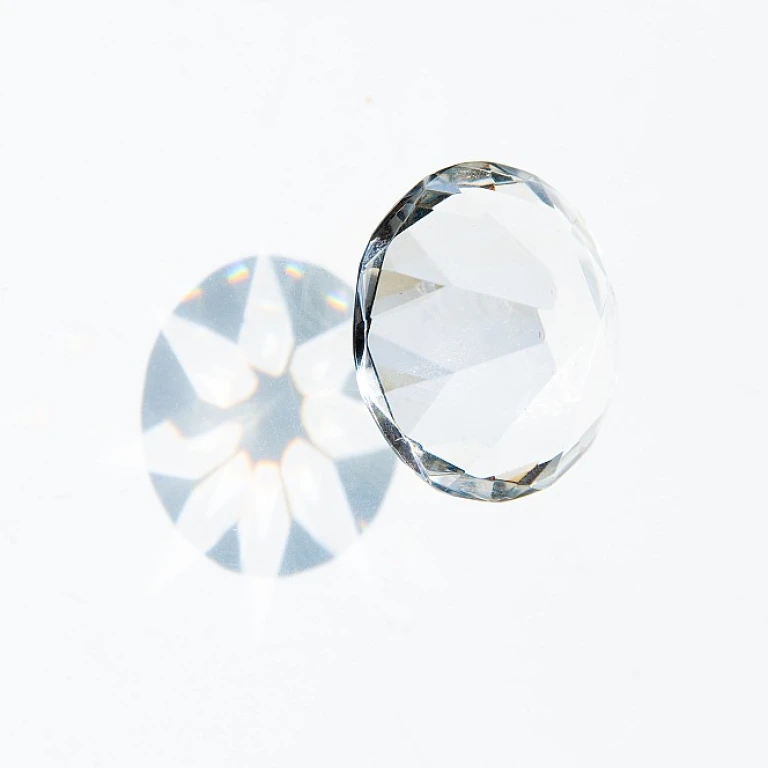
Understanding the allure of a diamond locket
Why Diamond Lockets Remain a Classic Choice
There’s a reason the diamond locket stands out in the world of fine jewelry. The combination of a locket’s sentimental value and the enduring brilliance of diamonds creates a piece that is both meaningful and visually stunning. Whether crafted in white gold, yellow gold, or sterling silver, a diamond locket necklace offers a unique blend of personal storytelling and timeless elegance.
- Sentiment and Style: A locket is more than just a pendant. It’s a vessel for memories, often holding a photo or a tiny keepsake. When adorned with diamonds, it transforms into a statement of love, heritage, or personal achievement.
- Versatility: Diamond lockets come in various shapes—heart, star, or classic oval—making them suitable for any occasion. They can be worn as a regular necklace or layered with other necklaces for a modern look.
- Material Choices: From gold lockets to sterling silver options, there’s a wide range of metals to suit different tastes and budgets. The addition of diamonds elevates even a simple silver locket to a piece of fine jewelry.
- Investment and Legacy: A diamond locket is not just a purchase; it’s an investment. The regular price and sale price can vary based on diamond quality, craftsmanship, and metal choice. Over time, these pieces often become cherished family heirlooms.
For those interested in exploring the world of diamond jewelry further, the allure of 2 carat diamond stud earrings offers another perspective on timeless diamond pieces.
As you consider adding a diamond locket to your collection, think about how it complements your existing necklaces, diamond pendants, or charm diamond pieces. The right locket necklace can add a layer of sophistication and meaning to any jewelry wardrobe.
Evaluating diamond quality in lockets
Key Factors That Define Diamond Quality in Lockets
When selecting a diamond locket, understanding what sets apart a truly exceptional piece is essential. The quality of the diamond is a major factor that influences both the beauty and the price of your locket necklace. Whether you are considering a heart locket, a charm diamond pendant, or a classic gold locket, knowing how to evaluate diamond quality will help you make a confident choice.
- Cut: The cut of the diamond directly impacts its brilliance and sparkle. A well-cut diamond will reflect light beautifully, making your locket necklace stand out. Look for diamonds with excellent or very good cut grades for maximum shine.
- Color: Diamonds are graded from D (colorless) to Z (light yellow or brown). For lockets, diamonds in the near-colorless range (G-H) often offer the best balance between beauty and price, especially when set in white gold or sterling silver.
- Clarity: Clarity refers to the presence of internal or external imperfections. While flawless diamonds are rare and command a higher price, many lockets use stones with slight inclusions that are not visible to the naked eye, keeping the price regular or even at a sale price.
- Carat Weight: The size of the diamond will influence both the visual impact and the price of your locket. Smaller diamonds can add subtle charm, while larger stones make a bold statement. Consider what fits your style and budget.
Materials such as yellow gold, white gold, and sterling silver also play a role in the overall look and feel of diamond lockets. The metal you choose can enhance the appearance of the diamonds and affect the price. For example, a gold diamond locket may have a higher price regular compared to a silver version, but both can be equally stunning depending on the craftsmanship and design.
For those interested in learning more about diamond quality and how it impacts jewelry value, this guide on 2 carat diamond stud earrings offers valuable insights that also apply to diamond lockets and necklaces.
When comparing lockets for sale, always request a diamond grading report from a reputable authority. This ensures transparency and helps you understand the investment you are making in your fine jewelry collection. Remember, a diamond locket is not just a pendant; it is a piece of legacy that can be cherished for generations.
Craftsmanship and design considerations
Materials and Techniques That Define a Diamond Locket
When selecting a diamond locket, the artistry behind its creation is as important as the diamonds themselves. The choice of materials—whether gold, white gold, yellow gold, or sterling silver—impacts not only the look but also the longevity and price of the piece. Fine jewelry brands often offer lockets in a range of precious metals, allowing you to choose a locket necklace that suits your style and budget, from regular price to sale price options.
- Gold and Silver: Gold lockets, especially in white or yellow gold, are classic choices for diamond lockets. Sterling silver offers a more accessible price point while maintaining elegance.
- Diamond Setting: The way diamonds are set—be it pavé, bezel, or prong—affects both the security of the stones and the overall brilliance of the locket. A well-set diamond pendant or heart locket will showcase the stones while ensuring they remain secure for everyday wear.
- Design Details: From intricate engravings to the addition of a charm diamond or star motif, these details add personality and value. Some lockets feature a view window, allowing a glimpse of a cherished photo or keepsake inside.
- Necklace Construction: The chain style and length can transform the look of a diamond necklace. Whether you prefer a classic necklace regular or a more contemporary style, the craftsmanship of the chain should match the quality of the locket itself.
For those considering a bespoke or personalized piece, skilled artisans can add unique touches, such as a custom heart locket or a diamond locket necklace with a special engraving. These details not only elevate the jewelry but also make it a meaningful addition to your collection.
To better understand how cultural influences and design trends shape fine jewelry, you may find this article on the allure and significance of red beads in fine jewelry insightful.
Personalization and bespoke options
Making Your Diamond Locket Truly Yours
Personalization is at the heart of fine jewelry, and a diamond locket offers a unique canvas for self-expression. Whether you choose a heart locket, a classic oval, or a modern geometric shape, the ability to add personal touches elevates your piece from a regular pendant to a cherished heirloom. Many jewelers provide bespoke options for diamond lockets. You can select the type of gold—yellow gold, white gold, or even sterling silver—to match your style or existing necklaces. Some clients opt for a gold locket with a single diamond, while others prefer a locket necklace adorned with a star motif or a cluster of diamonds for extra sparkle. The choice of metal and diamond arrangement can impact both the price and the overall look of your necklace. Custom engraving is another popular way to personalize a locket. Adding initials, a meaningful date, or a short message inside the locket creates a sentimental connection. Some lockets are designed to hold tiny photographs or charms, allowing you to carry memories close to your heart. For those seeking something truly unique, consider working with a jeweler to design a one-of-a-kind diamond locket. This process typically involves selecting the diamonds, deciding on the charm or motif, and choosing the necklace length and style. While bespoke options may come at a higher price compared to regular price lockets or those on sale, the result is a diamond pendant that reflects your personality and story. When exploring personalization, keep in mind:- Material options: yellow gold, white gold, sterling silver
- Diamond size, cut, and arrangement
- Engraving possibilities
- Charm diamond or photo inserts
- Necklace length and clasp style
Caring for your diamond locket
Keeping Your Diamond Locket Radiant
A diamond locket is more than a beautiful pendant; it is a piece of fine jewelry that deserves regular care to maintain its brilliance and value. Whether your locket is crafted in white gold, yellow gold, or sterling silver, proper maintenance ensures it remains a cherished part of your collection.- Gentle Cleaning: Use a soft, lint-free cloth to wipe your diamond locket after each wear. For a deeper clean, soak the locket necklace in lukewarm water with a mild jewelry cleaner or gentle soap. Avoid harsh chemicals, especially with gold and silver lockets.
- Safe Storage: Store your diamond lockets separately from other necklaces and charms to prevent scratches. A dedicated jewelry box with individual compartments or soft pouches is ideal for protecting both the diamonds and the metal, whether it is white gold or sterling silver.
- Regular Inspections: Check the setting of your diamonds and the clasp of your locket necklace regularly. If you notice any loose stones or damage, consult a professional jeweler promptly to avoid loss or further issues.
- Avoiding Damage: Remove your diamond locket before engaging in activities that could expose it to impact, chemicals, or excessive moisture. This includes swimming, exercising, or using household cleaners.
- Professional Maintenance: Schedule a professional cleaning and inspection at least once a year. Jewelers can check the integrity of the setting, polish the gold or silver, and ensure your diamond pendant or heart locket maintains its original sparkle.
Investment value and legacy planning
Building Value Beyond the Sparkle
When considering a diamond locket as part of your fine jewelry collection, it's important to look beyond its immediate beauty. The investment value of a diamond locket is influenced by several factors, including the quality of the diamonds, the craftsmanship of the locket, and the materials used, such as white gold, yellow gold, or sterling silver. These elements not only affect the price regular and sale price, but also contribute to the long-term value and legacy potential of your piece.
- Diamond Quality: Lockets featuring high-grade diamonds generally maintain or increase their value over time. Pay attention to clarity, cut, and carat weight, as discussed earlier in the article.
- Material Choices: Gold lockets, whether in yellow, white, or rose gold, and sterling silver options each have their own market appeal. White gold and gold diamond combinations are especially sought after for their classic look and durability.
- Craftsmanship: A well-crafted locket necklace or diamond pendant, with secure settings and thoughtful design, stands the test of time and can be passed down as a cherished heirloom.
- Personalization: Adding a heart locket, charm diamond, or custom engraving increases sentimental value, making the piece more desirable for future generations.
Legacy Planning with Fine Jewelry
Diamond lockets are more than just accessories; they are investments in family history. When you choose a locket necklace or diamond necklace, consider how it fits into your legacy planning. Many owners add these pieces to their estate plans, ensuring that their jewelry, whether a necklace diamond or a gold locket, is preserved and appreciated by loved ones.
To maximize the investment value and ensure a smooth transfer, keep detailed records of your jewelry, including purchase receipts, certificates of authenticity, and appraisals. This documentation is crucial for insurance purposes and future sales, whether at regular price or sale price.
- Store your diamond lockets and necklaces in a secure, climate-controlled environment.
- Schedule regular professional cleanings and appraisals to maintain their condition and value.
- Review your insurance coverage to protect your fine jewelry against loss or damage.
By thoughtfully curating your collection of diamond lockets, heart lockets, and gold diamond necklaces, you not only enjoy their timeless elegance but also create a lasting legacy for generations to come.
