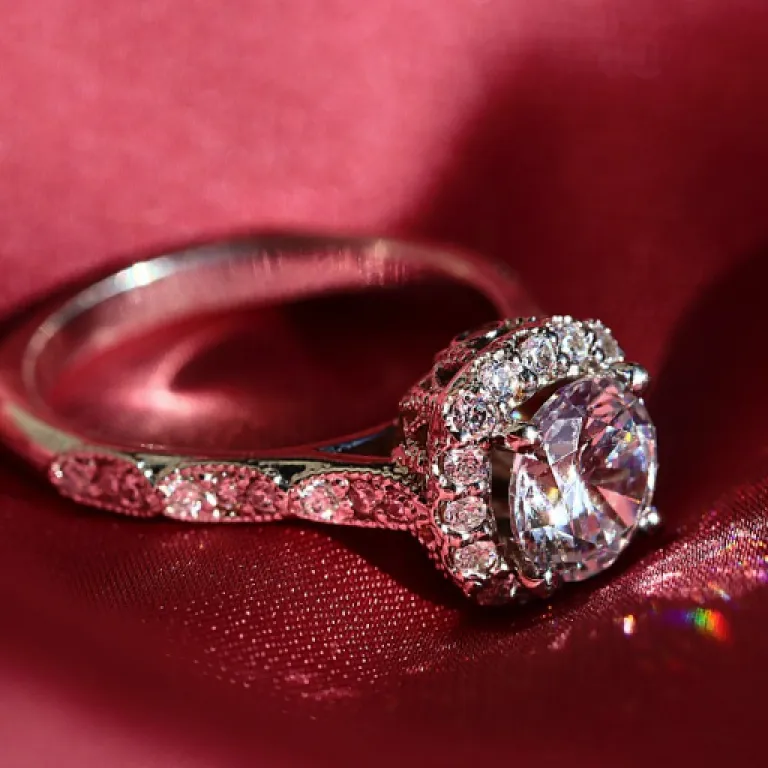
Understanding recycled diamonds in fine jewelry
What Makes a Diamond Recycled?
In the world of fine jewelry, recycled diamonds are gaining attention for their unique blend of history, sustainability, and ethical appeal. Unlike newly mined diamonds, recycled diamonds are gemstones that have been previously set in jewelry, such as antique rings or vintage necklaces, and then reintroduced into the market after being removed, cleaned, and sometimes recut. This process preserves the original diamond gemstone while reducing the demand for new mining.
How Recycled Diamonds Differ from Lab Grown and Newly Mined Stones
It’s important to distinguish recycled diamonds from lab grown and newly mined diamonds. While lab grown diamonds are created in a studio environment and newly mined diamonds are extracted from the earth, recycled diamonds are reclaimed from existing jewelry. This means they have already completed their first lifecycle, often in antique or estate pieces, and are now ready to be cherished again in new designs. This approach supports a more ethical and conflict free diamond industry by minimizing the environmental and social impact associated with mining.
Why Recycled Diamonds Matter in Today’s Jewelry Market
The appeal of recycled diamonds is growing among collectors and jewelry owners who value both sustainability and heritage. These diamonds offer a tangible way to reduce the carbon footprint of fine jewelry, while also providing access to unique cuts and antique diamonds that may no longer be available in newly mined stones. Whether set in engagement rings, necklaces, or other fine pieces, recycled diamonds are reshaping the market by offering ethical alternatives without compromising on beauty or quality.
- Recycled diamonds can be found in a variety of cuts, from classic round to unique antique shapes
- They are often chosen for engagement rings by those seeking conflict free and ethical diamonds
- Collectors appreciate the story and provenance behind each reclaimed diamond
For those interested in exploring the world of recycled diamonds, understanding the differences between mined, lab grown, and reclaimed stones is essential. If you’re considering adding a timeless piece to your collection, discover more about choosing the perfect diamond necklace to complement your style and values.
Ethical considerations and environmental impact
Why Recycled Diamonds Matter for Ethical Jewelry
In the world of fine jewelry, the ethical implications of sourcing diamonds have become a central concern for both collectors and designers. Recycled diamonds, also known as reclaimed diamonds, offer a compelling alternative to newly mined stones. By reusing existing diamonds, the jewelry industry can reduce its reliance on mining, which is often linked to environmental degradation and social conflict.
Reducing Environmental Impact
The environmental footprint of diamond mining is significant. Extracting newly mined diamonds requires large-scale land disruption, water use, and energy consumption. In contrast, recycled diamonds bypass these processes entirely. By choosing recycled or antique diamonds, jewelry studios and consumers help minimize the carbon footprint associated with traditional diamond sourcing. This shift supports a more sustainable approach to creating engagement rings, diamond necklaces, and other fine pieces.
- Recycled diamonds eliminate the need for new mining
- Lower carbon emissions compared to mined or even some lab grown diamonds
- Preserve the beauty and value of antique and cut diamonds already in circulation
Ethical Sourcing and Conflict-Free Assurance
Ethical diamonds are those that are sourced without contributing to conflict or human rights abuses. While the diamond industry has made progress with conflict free certification, challenges remain. Recycled diamonds offer an additional layer of assurance. Since these stones have already been part of the market, their origins are often easier to trace, especially for antique or vintage pieces. This transparency appeals to buyers seeking conflict free and ethical jewelry options for engagement rings and other significant purchases.
It’s important to note that lab grown diamonds also present an ethical alternative, but recycled diamonds have the unique advantage of being both conflict free and environmentally responsible. The growing demand for ethical diamonds is reshaping how studios and brands approach sourcing, design, and marketing.
For those interested in exploring the beauty and value of recycled diamonds in fine jewelry, you may enjoy reading about the allure of 2 carat diamond stud earrings and how these timeless pieces can be both stunning and sustainable.
Challenges in sourcing and verifying recycled diamonds
Complexities in Sourcing and Authenticating Recycled Diamonds
For fine jewelry owners and studio professionals, sourcing recycled diamonds presents unique challenges compared to acquiring newly mined or lab grown stones. The journey of a recycled diamond—from its previous life in antique jewellery or reclaimed engagement rings to its new setting—requires rigorous verification to ensure authenticity and ethical standards.
- Provenance Verification: Unlike lab grown or newly mined diamonds, recycled diamonds often lack clear documentation. Establishing a diamond's origin and confirming it is truly reclaimed, not simply resold, is crucial for maintaining ethical claims and market trust.
- Certification Standards: The diamond industry has made progress in certifying conflict free and ethical diamonds, but recycled diamonds still face gaps in standardized certification. This can complicate the process for both jewelers and collectors who want assurance that their diamond gemstone is genuinely recycled and not mixed with mined diamonds.
- Quality Assessment: Recycled diamonds, especially antique diamonds or those removed from older rings, may show signs of wear or require re-cutting. Assessing the cut, clarity, and overall condition is essential to ensure the diamond meets the expectations of today’s jewelry market.
- Supply Chain Transparency: Tracing the path of a recycled diamond through various hands—pawnshops, estate sales, or jewelry studios—can be difficult. This lack of transparency can impact the perceived value and ethical standing of recycled diamonds in the market.
Despite these hurdles, the demand for ethical diamonds and conflict free gemstones continues to grow. Many fine jewelry studios are investing in advanced technologies and partnerships to improve traceability and verification. For those interested in exploring the broader world of sustainable gemstones, including the allure of pink sapphire bracelets, the industry is evolving to meet consumer expectations for transparency and responsibility.
Ultimately, while sourcing and verifying recycled diamonds requires diligence, these efforts reinforce the value of ethical, reclaimed, and conflict free jewelry in today’s conscious market.
Market value and perception among collectors
How Collectors and Buyers View Recycled Diamonds
The perception of recycled diamonds in the fine jewelry market has evolved significantly in recent years. Traditionally, collectors and buyers often favored newly mined or antique diamonds, associating them with exclusivity and heritage. However, as ethical and environmental concerns have become more prominent, the appeal of recycled and reclaimed diamonds has grown.
- Ethical assurance: Many buyers now prioritize ethical diamonds, seeking conflict free stones with a traceable history. Recycled diamonds, which are repurposed from existing jewelry or reclaimed from antique pieces, offer a transparent alternative to newly mined diamonds.
- Market value: The value of recycled diamonds is influenced by factors such as cut, carat, clarity, and provenance, similar to mined and lab grown diamonds. However, some collectors still perceive recycled stones as less prestigious than newly mined or rare antique diamonds, which can affect resale value.
- Growing demand: As awareness of the diamond industry’s carbon footprint increases, more buyers are drawn to recycled diamonds for engagement rings, rings, and other fine jewelry. This shift is particularly noticeable among younger consumers who value sustainability and ethical sourcing.
Despite these positive trends, there are challenges. Some buyers remain cautious, questioning the authenticity and quality of recycled diamonds compared to lab grown or newly mined stones. The lack of standardized certification for recycled diamonds can also impact market confidence.
| Diamond Type | Market Perception | Key Considerations |
|---|---|---|
| Recycled/Reclaimed | Increasingly positive, especially for ethical buyers | Traceability, environmental impact, authenticity |
| Lab Grown | Modern, innovative, but sometimes seen as less traditional | Technology, price, carbon footprint |
| Mined | Classic, prestigious, but ethical concerns persist | Origin, conflict free status, environmental impact |
| Antique | Highly valued for history and craftsmanship | Rarity, provenance, cut diamond styles |
For fine jewelry owners, understanding these market dynamics is essential when considering recycled diamonds for new pieces or evaluating existing collections. As the demand for ethical and sustainable jewelry grows, recycled diamonds are poised to play a more prominent role in the industry, offering both value and peace of mind for discerning collectors.
Design opportunities with recycled diamonds
Creative Possibilities for Designers and Studios
Recycled diamonds are opening up new avenues for creativity in fine jewelry design. Unlike newly mined diamonds, recycled stones often come with unique cuts, antique shapes, or even rare sizes that are no longer commonly produced. This diversity allows designers and studios to craft one-of-a-kind engagement rings, bespoke jewellery, and statement pieces that stand out in the market.
- Antique and Vintage Appeal: Many recycled diamonds are reclaimed from older jewelry, offering antique cuts and character that cannot be replicated with modern techniques. These diamonds bring a sense of history and authenticity to new creations.
- Mixing with Lab Grown and Mined Stones: Designers are blending recycled diamonds with lab grown gemstones or responsibly sourced mined diamonds. This approach not only enhances the ethical profile of the piece but also introduces interesting contrasts in cut and brilliance.
- Custom Engagement Rings: The trend for personalized engagement rings is on the rise. Recycled diamonds, with their unique provenance, allow clients to own a ring that is both ethical and deeply meaningful.
- Conflict Free and Low Carbon Footprint: Using recycled or reclaimed diamonds supports the demand for conflict free jewelry and helps reduce the carbon footprint associated with newly mined stones.
Design Trends and Market Preferences
As the diamond industry evolves, market preferences are shifting towards ethical diamonds and sustainable practices. Recycled diamonds are now featured in high-end collections, from classic solitaire rings to modern, geometric jewelry. Studios are also experimenting with mixing recycled diamond gemstones with colored stones, such as sapphires or emeralds, to create visually striking pieces.
For collectors and jewelry owners, the appeal of recycled diamonds lies in their story and ethical value. Whether set in engagement rings, bracelets, or earrings, these stones offer a blend of tradition and innovation that resonates with today’s conscious consumers. The versatility of recycled diamonds ensures they remain a compelling choice for both designers and clients seeking beauty, sustainability, and individuality in fine jewelry.
Care and maintenance of fine jewelry with recycled diamonds
Preserving the Brilliance of Recycled Diamonds
Fine jewelry featuring recycled diamonds deserves the same meticulous care as pieces with newly mined or lab grown stones. The unique journey of recycled and reclaimed diamonds—whether set in antique rings or contemporary engagement jewelry—means they may have already experienced decades of wear. Proper maintenance not only preserves their beauty but also upholds the ethical and environmental values that make these diamonds special in the market.
- Gentle Cleaning: Use a soft brush and mild soap to clean recycled diamond jewelry. Avoid harsh chemicals, especially on antique settings or rings with delicate metalwork.
- Regular Inspections: Because recycled diamonds may be set in older or reclaimed settings, have a professional jeweler check prongs and clasps regularly to prevent loss of the diamond gemstone.
- Safe Storage: Store each piece separately in a fabric-lined box to avoid scratches, especially for cut diamonds and engagement rings. Recycled and antique diamonds can be more susceptible to damage if stored with other gemstones or jewelry.
- Mind the Setting: Reclaimed diamonds in vintage or studio-crafted jewellery may be set in softer metals. Take extra care to avoid knocks or pressure that could loosen the setting.
- Environmental Considerations: Cleaning with eco-friendly products aligns with the ethical values of recycled and conflict free diamonds, reducing your carbon footprint even further.
Professional Maintenance and Value Retention
Routine professional maintenance is crucial for preserving the value of recycled diamonds, especially for collectors and those investing in engagement rings or antique jewellery. Jewelers with expertise in recycled, reclaimed, and lab grown diamonds can provide tailored advice on care, ensuring your pieces remain as brilliant as newly mined stones. This attention to detail helps maintain both the ethical appeal and the market value of your jewelry.
Whether your collection includes cut diamond rings, conflict free engagement rings, or antique diamonds, thoughtful care ensures your jewelry continues to shine—reflecting both your values and your style in the evolving diamond industry.
