Understanding the rarity of green diamonds
Why Green Diamonds Are Exceptionally Rare
When it comes to fine jewelry, few stones capture attention quite like a natural green diamond. Unlike the more common white or yellow diamonds, green diamonds are exceptionally rare, making them a coveted choice for an engagement ring. Their unique color is the result of natural radiation interacting with the diamond’s crystal lattice over thousands, sometimes millions, of years. This process is incredibly rare in nature, which is why green diamonds are so prized among collectors and connoisseurs.
Most green diamonds available on the market are classified as "fancy" due to their distinct hue. The intensity of the green can range from a subtle olive to a vivid, almost neon shade. This rarity directly impacts the price per carat, often placing green diamonds in a higher price bracket compared to regular white or yellow stones. For those considering a green diamond engagement ring, understanding this rarity is essential, as it influences both the unit price and the overall investment potential of the ring.
- Natural vs. Treated: Only a small fraction of green diamonds are naturally colored. Many stones on the market have been treated to enhance their green hue, which can affect both value and authenticity.
- Fancy Green Grades: The Gemological Institute of America (GIA) grades green diamonds based on color intensity, with terms like "fancy light," "fancy intense," and "fancy vivid." These grades play a significant role in determining the price and desirability of each stone.
- Shapes and Cuts: Green diamonds are often cut into cushion, oval, or three stone settings to maximize their color and brilliance. The cut diamond style can also influence how the green appears under different lighting conditions.
Because of their rarity, green diamond engagement rings are often set in white gold or yellow gold, sometimes with a diamond halo or paired with black or white accent diamonds to highlight the stone’s unique color. These design choices not only enhance the visual appeal but also underscore the exclusivity of owning such a rare gem.
If you’re interested in exploring other refined choices for your collection, discover more about elevating elegance with pavé diamond earrings for fine jewelry owners.
What sets green diamond engagement rings apart
Why Green Diamond Engagement Rings Stand Out
Green diamond engagement rings are a rare sight, instantly setting themselves apart from the more common white or yellow diamond rings. The unique color of a natural green diamond is caused by exposure to natural radiation over thousands of years, making each stone truly one-of-a-kind. This rarity is reflected in both the price and the allure of these rings, as collectors and couples alike are drawn to their distinctiveness.
- Color variety: Green diamonds come in shades ranging from subtle mint to deep forest, and even fancy green hues. This variety allows for personal expression, whether you prefer a soft green cushion cut or a bold three stone design.
- Design flexibility: Green diamonds pair beautifully with both white gold and yellow gold settings. Many engagement rings feature a diamond halo or a mix of green and white diamonds for added brilliance and contrast.
- Symbolism: The color green is often associated with renewal, harmony, and growth, making a green diamond engagement ring a meaningful choice for couples starting a new chapter together.
- Exclusivity: Compared to regular price diamonds, green diamonds are much less common. This exclusivity is appealing for those who want an engagement ring that stands out from the crowd.
When considering a green diamond, factors like carat, cut, and clarity are just as important as with white or yellow diamonds. However, the unique color adds another layer of complexity and beauty. Whether you choose a classic solitaire, a diamond halo, or a modern three stone setting, a green diamond engagement ring is sure to make a statement.
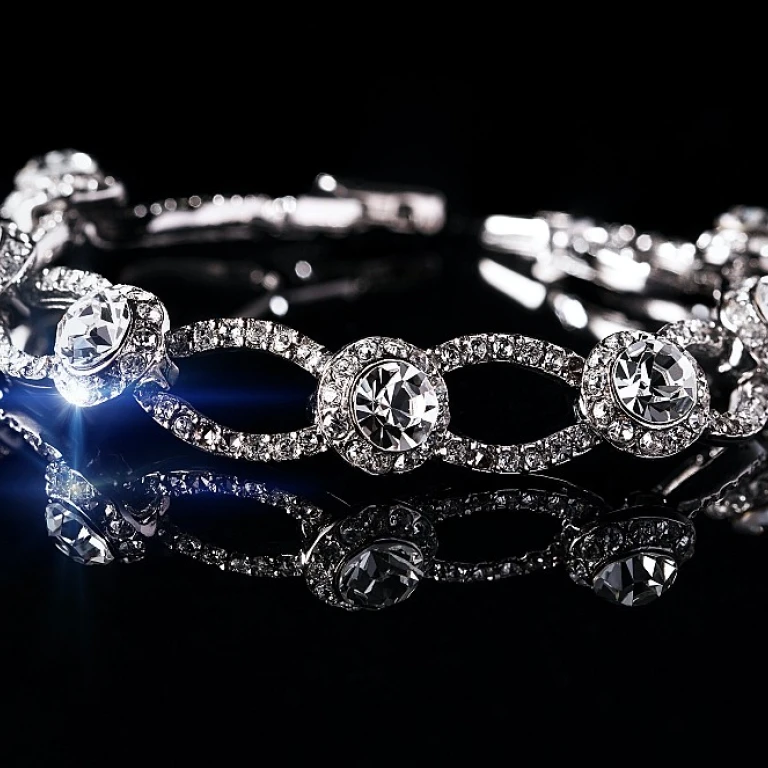
For those looking to further elevate their jewelry collection, exploring how diamond cuff bracelets can complement your style is a natural next step.
Evaluating quality and authenticity in green diamonds
Key Factors in Assessing Green Diamond Authenticity
When considering a green diamond engagement ring, verifying the authenticity and quality of the stone is essential. Natural green diamonds are extremely rare, and their color is typically caused by natural radiation over thousands of years. This makes them distinct from treated or synthetic stones, which are more common in the market. Always request a gemological certificate from a reputable laboratory, such as GIA, to confirm the diamond’s origin and treatment status.
Understanding Color Grading and Value
The value of a green diamond is closely tied to its color intensity and distribution. Fancy green diamonds are graded based on hue, tone, and saturation. Stones with a pure, vivid green color and minimal secondary hues (like yellow or blue) are the most prized. Diamonds described as "fancy intense" or "fancy vivid" command higher prices per carat compared to those with lighter or uneven color. The presence of a green cushion cut or a three stone setting can also influence the overall appeal and price.
- Cut: The cut of the diamond, whether cushion, round, or emerald, affects how light interacts with the stone, enhancing its green hue and brilliance.
- Carat: Larger carat fancy green diamonds are exceptionally rare, and price increases exponentially with size and quality.
- Clarity: While inclusions are common in colored diamonds, high clarity can add to the stone’s desirability and unit price.
Comparing Green Diamonds to Other Stones
Green diamond engagement rings stand out from regular white or yellow gold rings due to their unique color and rarity. Unlike black or yellow diamonds, green stones are seldom seen in wedding or engagement jewelry, making them a statement of individuality. Many choose a diamond halo or a green white combination for added brilliance and contrast. For those seeking a quick view of available options, comparing price regular and sale price listings can help identify the best value for your budget.
Expert Tips for Buyers
When shopping for green diamond engagement rings, prioritize natural stones over treated ones for long-term value. Examine the cut diamond quality and ask for detailed grading reports. Consider settings like white gold or yellow gold to complement the green hue. For more insights on elevating your jewelry collection, explore this guide on how to enhance your fine jewelry collection.
Design considerations for green diamond engagement rings
Choosing the Perfect Setting and Metal
When selecting a green diamond engagement ring, the setting and metal play a crucial role in highlighting the unique color and brilliance of the stone. White gold and yellow gold are both popular choices, each offering a distinct contrast to fancy green diamonds. White gold settings can enhance the vibrancy of a green cushion cut diamond, while yellow gold brings warmth and depth to the overall look. For those seeking a modern twist, black rhodium accents or mixed metals can create a striking frame for the diamond.Cut and Shape: Maximizing Color and Sparkle
The cut of your green diamond is essential for maximizing its color and sparkle. Fancy cuts such as cushion, oval, or pear can intensify the green hue, while classic round or emerald cuts offer timeless elegance. A well-proportioned cut diamond will reflect light beautifully, making the green color more vivid. When comparing rings, pay attention to how the cut interacts with both the stone’s natural color and the chosen setting.Accent Stones and Halo Designs
Adding accent diamonds or a diamond halo can elevate the appearance of a green diamond engagement ring. A diamond halo, especially in white or yellow gold, creates a stunning contrast that draws attention to the center stone. Three stone designs, featuring a green diamond flanked by white or yellow diamonds, offer a sophisticated and symbolic choice for engagement rings. These combinations not only enhance the visual appeal but can also impact the price and perceived carat weight of the ring.Balancing Carat, Price, and Style
When considering carat fancy green diamonds, balance is key. Larger carat weights command a higher price, especially for natural green diamonds with strong saturation. However, the overall design, including the cut and setting, can make a smaller stone appear more prominent. Compare the unit price and sale price of different rings to find the best value without compromising on style or quality. Quick view features on reputable jewelry websites can help you compare options efficiently.Personalization and Wedding Band Pairing
Customizing your engagement ring allows you to express your personal style. Consider pairing your green diamond ring with a complementary wedding band in matching gold or with additional fancy green or white diamonds. Unique design elements, such as engraved details or a hidden diamond, can make your ring truly one of a kind. Whether you prefer a bold statement or subtle elegance, thoughtful design choices ensure your green diamond engagement ring stands out for all the right reasons.Caring for your green diamond engagement ring
Daily Wear and Gentle Handling
Green diamond engagement rings are crafted to last, but their beauty depends on how you care for them. Unlike regular diamond rings, fancy green diamonds can be more sensitive to harsh chemicals and physical impact. Remove your ring when doing household chores or engaging in activities that might scratch the stone or the gold setting. Whether your ring is set in white gold, yellow gold, or features a diamond halo, gentle handling preserves its brilliance and structure.
Cleaning Your Green Diamond Ring
To maintain the vibrant color and sparkle of your green diamond, clean your engagement ring regularly. Use a soft brush, mild soap, and lukewarm water. Avoid ultrasonic cleaners, especially if your ring includes other stones like black or yellow diamonds, as these can loosen settings. After cleaning, pat dry with a lint-free cloth. For rings with intricate designs, such as a three stone or green cushion cut diamond, pay extra attention to crevices where dirt can accumulate.
Professional Maintenance and Inspections
Schedule professional inspections at least once a year. A jeweler can check the security of the setting, especially for diamond halo or fancy green diamond rings, and ensure the prongs are intact. This is crucial for preserving both the unit price and the long-term value of your engagement ring. Regular maintenance also helps spot any early signs of wear that could affect the price regular or sale price if you ever decide to resell.
Storage and Protection
Store your green diamond engagement ring separately from other jewelry to prevent scratches. Use a soft pouch or a lined jewelry box. If you own multiple rings, especially those with different cuts or carat fancy stones, keeping them apart avoids accidental damage. For quick view and easy access, consider a dedicated compartment for your most precious pieces.
Insurance and Documentation
Given the rarity and price of natural green diamonds, insuring your ring is a wise step. Keep all documentation, including certificates of authenticity and appraisals, in a safe place. This not only protects your investment but also supports the resale value if the market trends favor green diamonds in the future.
Investment potential and market trends for green diamonds
Market Value and Trends for Green Diamond Engagement Rings
Green diamonds are among the rarest stones in the world, making their market value distinct from regular white or yellow diamonds. Their unique color, caused by natural radiation interacting with the crystal lattice, ensures that each green diamond engagement ring is truly one of a kind. This rarity is reflected in the price per carat, which often surpasses that of other fancy colored diamonds, especially for stones with a pure, intense green hue.
- Natural vs. Treated: Natural green diamonds command a significant premium over treated or lab-created stones. Always verify the authenticity and origin of the diamond, as discussed in the quality and authenticity section.
- Color Intensity: The value increases with the depth and evenness of the green color. Fancy green, green cushion, and green white diamonds with vivid saturation are especially sought after.
- Cut and Setting: The cut diamond and ring design, such as a diamond halo or three stone setting in white gold or yellow gold, can influence both the visual appeal and the unit price. Unique cuts and creative settings often fetch a higher price sale.
- Carat Weight: Larger carat fancy green diamonds are extremely rare, and the price per carat rises exponentially with size and quality.
Investment Considerations
For collectors and those seeking a unique engagement ring, green diamonds offer strong investment potential. Their scarcity means that the regular price and sale price for these rings tend to remain stable or appreciate over time, especially for stones with clear provenance and certification. Unlike regular diamonds, the market for fancy green diamonds is less volatile, with demand driven by connoisseurs and investors alike.
| Type | Color | Setting | Carat | Price Range |
|---|---|---|---|---|
| Natural Green Diamond | Fancy Green | Diamond Halo, Three Stone | 1.0+ | High (often above regular price for white or yellow) |
| Treated Green Diamond | Green, Green White | Quick View, Solitaire | 0.5–1.0 | Moderate (below natural, above black or regular) |
When considering a green diamond engagement ring, look for reputable certification and transparent unit price breakdowns. The combination of rarity, beauty, and enduring value makes these rings a compelling choice for both personal and investment purposes. As always, trends in fine jewelry evolve, but the allure of a green diamond remains timeless among engagement rings and wedding jewelry.
