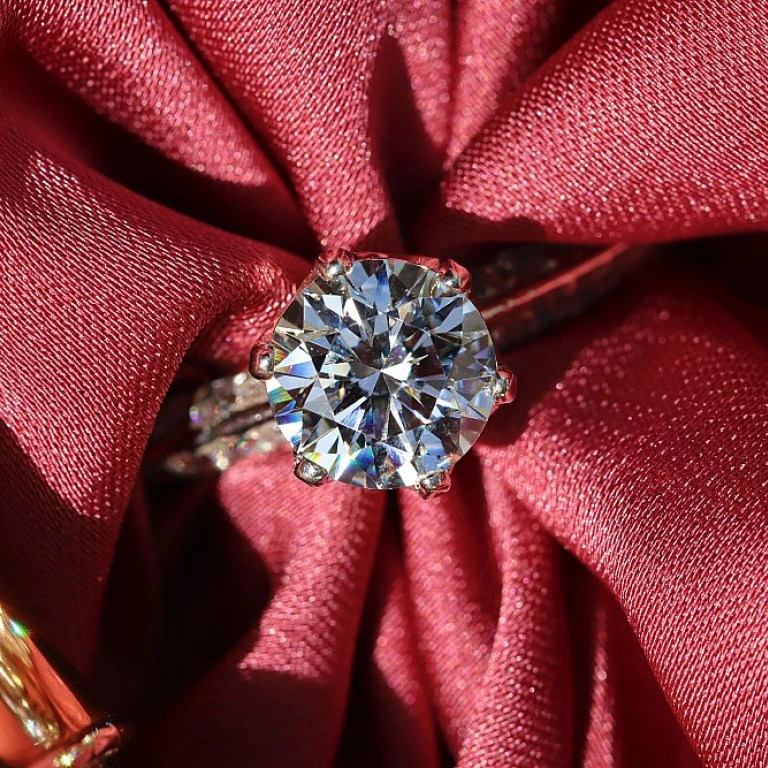
Understanding the rarity of red diamonds
Why Red Diamonds Are Exceptionally Rare
When it comes to fine jewelry, few stones capture attention like a natural red diamond. Unlike the more common white diamond or even fancy colored diamonds such as yellow or pink, red diamonds are among the rarest gemstones in the world. Their scarcity is not just a marketing story—it's a fact supported by decades of gemological research and auction records.
Red diamonds are so rare that only a handful are discovered each year, mostly in the Argyle mine in Australia, which has now closed. This rarity directly impacts the price, making a red diamond engagement ring a true collector's piece. For comparison, while a regular price for a high-quality white diamond ring is significant, the price per carat for a fancy red diamond can be exponentially higher. Even a small carat red stone can command a premium far above regular diamonds.
- Origin: Most red diamonds are natural, not treated or enhanced, and their color comes from unique distortions in the diamond's crystal lattice rather than trace elements like in yellow or blue diamonds.
- Color Intensity: The deeper and more vivid the red, the rarer and more valuable the stone. Many red diamonds are actually graded as "fancy red," with some showing secondary hues like rose or purple.
- Size: Most red diamonds are under one carat, making larger stones exceptionally rare and highly sought after for engagement rings and diamond solitaire designs.
For those considering a red diamond ring, understanding this rarity is essential. It not only influences the price but also the long-term investment value and the types of settings—such as white gold, yellow gold, or rose gold—that best showcase the stone's unique color. If you're interested in exploring more about rare diamond styles, discovering unique diamond bracelet styles can offer further inspiration for your fine jewelry collection.
Whether set as a solitaire engagement ring, a diamond three-stone piece, or a wedding ring, red diamonds stand apart from regular diamonds and even other fancy colored stones. Their allure lies in their natural beauty, scarcity, and the statement they make on any hand.
The symbolism behind a red diamond engagement ring
The Emotional Power of a Red Diamond Ring
Choosing a red diamond for an engagement ring is a bold statement. Unlike the classic white diamond, a natural red diamond is incredibly rare, making each stone unique. The color red has long been associated with deep passion, enduring love, and strength. When set in a ring, especially for an engagement, it becomes a powerful symbol of commitment and individuality.
Many couples are drawn to the red diamond because it stands apart from more traditional choices. The vibrant hue is not only eye-catching but also carries a sense of exclusivity. Whether you choose a solitaire engagement ring or a diamond three-stone design, the red diamond’s intensity makes it a centerpiece that tells a story of romance and courage.
- Passion and Love: Red is universally recognized as the color of love and desire, making it a fitting choice for an engagement ring that marks the beginning of a lifelong journey.
- Strength and Vitality: The rarity of red diamonds mirrors the strength and resilience often needed in a lasting relationship.
- Individuality: For those who want their engagement ring to reflect their unique style, a fancy red diamond set in white gold, yellow gold, or rose gold offers a distinct alternative to regular price white diamonds.
Red diamond engagement rings also appeal to collectors and connoisseurs who appreciate the story behind the stone. The choice of gold—whether white, yellow, or rose—can further enhance the symbolism, with each metal adding its own nuance to the ring’s meaning. For more inspiration on how colored stones can elevate your jewelry collection, explore three diamond bracelet styles every fine jewelry owner should consider.
Ultimately, a red diamond engagement ring is more than a piece of jewelry. It is a declaration of love that is as rare and precious as the stone itself, making it a meaningful choice for those who value both beauty and significance in their wedding ring.
Evaluating the investment value of red diamond engagement rings
What Drives the Value of a Red Diamond Engagement Ring?
When considering a red diamond engagement ring, understanding its investment value is crucial. Red diamonds are among the rarest stones in the world, making them highly sought after by collectors and connoisseurs. Their scarcity directly impacts their price, often placing them well above regular price points for other fancy colored diamonds.
- Natural rarity: Genuine red diamonds are incredibly rare, with only a handful discovered each year. This rarity ensures that their value remains stable and often appreciates over time.
- Color intensity: The more vivid and pure the red hue, the higher the price per carat. Stones with secondary tones, such as brown or purple, may be more affordable but are less desirable for investment purposes.
- Carat weight: Larger carat red diamonds are exponentially more valuable. Even a small increase in size can lead to a significant jump in price.
- Cut and brilliance: A well-executed cut enhances the stone’s natural beauty and can maximize its brilliance. Fancy cuts, such as brilliant or solitaire, are popular choices for engagement rings and can influence the overall value.
- Setting and metal: The choice of gold—be it white, yellow, or rose gold—can complement the red diamond and affect the ring’s appeal. Settings like diamond three-stone or classic solitaire engagement styles are favored for showcasing these rare gems.
For those looking to diversify their portfolio, a red diamond ring offers both aesthetic pleasure and long-term investment potential. Unlike white diamonds, which are more common, fancy red stones are less likely to fluctuate in value due to their rarity. When comparing price sale listings, always verify the authenticity and natural origin of the diamond. Lab-created stones or treated diamonds may be offered at a lower price, but they do not hold the same investment value as natural red diamonds.
It’s also important to consider the overall market for colored diamonds. While white diamond engagement rings remain popular, the demand for fancy red and other colored stones continues to grow. This trend supports the appreciation of red diamond rings in both private collections and at auction.
For more insights on how to elevate your jewelry collection and make informed investment decisions, explore this fine jewelry investment perspective.
Selecting the perfect setting for your red diamond
Choosing a Setting That Highlights the Red Diamond
Selecting the right setting for a red diamond engagement ring is crucial to showcase the stone’s unique beauty and rarity. The setting not only secures the diamond but also enhances its color, brilliance, and overall presence on the hand. Here are key considerations to guide your choice:- Metal Color Matters: The metal you choose—white gold, yellow gold, or rose gold—can dramatically affect the appearance of your red diamond. White gold and platinum settings create a striking contrast, making the red hue appear more vivid. Yellow gold adds warmth, while rose gold complements the red tones for a harmonious look.
- Setting Styles: Solitaire engagement rings remain a classic choice, letting the fancy red diamond take center stage. For those seeking extra sparkle, a diamond three-stone setting or a halo of white diamonds can amplify the brilliance and perceived size of the center stone.
- Cut and Carat: The cut of the diamond influences how light reflects through the stone, impacting its brilliance. A brilliant cut maximizes sparkle, while a cushion or oval cut can enhance the depth of the red color. Carat weight also plays a role in price and presence; larger carat red diamonds are exceptionally rare and command a higher price per carat.
- Practicality and Security: Given the value of natural red diamonds, choose a setting that offers both beauty and security. Prong settings allow more light to enter the stone, but bezel settings provide extra protection—especially important for everyday wear.
| Setting Type | Best For | Metal Pairing |
|---|---|---|
| Solitaire | Highlighting a single fancy red diamond | White gold, yellow gold, rose gold |
| Three-stone | Adding side white diamonds for contrast | White gold, gold yellow |
| Halo | Enhancing brilliance and size appearance | White gold, rose gold |
| Bezel | Extra protection for the stone | Any gold color |
Caring for and maintaining a red diamond engagement ring
Preserving the Brilliance of Your Red Diamond
Red diamond engagement rings are not only rare and valuable, but their vivid color and brilliance make them stand out among other diamond rings. To maintain the allure of your red diamond, regular care is essential. Unlike white diamonds, fancy red diamonds can show dust and oil more easily, so a consistent cleaning routine is key.
- Gentle Cleaning: Use a soft brush and mild soap to clean your ring. Avoid harsh chemicals, as they can damage both the diamond and the gold or platinum setting, whether it is white gold, yellow gold, or rose gold.
- Safe Storage: Store your red diamond ring separately from other jewelry. Diamonds can scratch other stones, and even a brilliant cut red diamond can be scratched by another diamond.
- Professional Maintenance: Have your engagement ring checked by a jeweler at least once a year. This ensures the setting remains secure and the diamond stays protected, especially if your ring features a solitaire or three-stone design.
- Avoiding Damage: Remove your ring during activities that could expose it to hard knocks or chemicals, such as cleaning, gardening, or swimming. Even natural diamonds can be damaged by strong impacts.
Protecting Your Investment
Given the high price and rarity of red diamonds, protecting your investment is crucial. Insure your diamond engagement ring at its regular price or current market value, and keep documentation of the carat, cut, and authenticity. This is especially important for fancy red diamonds, which are often targets for imitation.
| Metal Type | Care Tips |
|---|---|
| White Gold | Rhodium plate every few years to maintain shine |
| Yellow Gold | Polish gently to avoid scratches |
| Rose Gold | Clean with mild soap, avoid abrasive materials |
Whether your ring is a diamond solitaire or a diamond three-stone, proper care will keep your engagement ring looking as stunning as the day you bought it. Remember, the beauty and value of a natural red diamond are best preserved with mindful maintenance and regular professional attention.
Spotting authenticity and avoiding common pitfalls
How to Verify a Genuine Red Diamond
Red diamonds are among the rarest stones in the world, making them highly sought after for engagement rings and wedding ring designs. Because of their rarity and high price, the market is unfortunately filled with imitations and treated stones. To ensure you are purchasing a natural red diamond, always request a grading report from a reputable gemological laboratory, such as the GIA. These reports confirm the diamond's origin, whether it is natural or has been color-treated. Natural fancy red diamonds will have this clearly stated on their certificate, along with details about carat, cut, and clarity.Common Pitfalls When Shopping for Red Diamond Rings
When searching for a red diamond engagement ring, be cautious of the following:- Misleading Descriptions: Some sellers may label treated or synthetic stones as natural red diamonds. Always check for a reliable certificate.
- Price Discrepancies: If the price seems too low for a fancy red diamond, it is likely not a natural stone. Regular price for a genuine red diamond ring is significantly higher than for white or yellow diamonds.
- Setting Confusion: Red diamonds are often set in white gold, yellow gold, or rose gold to enhance their color. Make sure the setting is described accurately, especially if you are comparing solitaire engagement rings or diamond three stone rings.
- Carat Weight Manipulation: Some rings may include small red diamonds or combine them with white diamonds to give the illusion of a larger carat red stone. Review the details carefully.
Tips for Safe Purchase and Long-Term Value
- Buy from established jewelers who specialize in fancy colored diamonds and have a track record of transparent sales practices.
- Ask for documentation on the diamond's origin, cut, and treatment history.
- Compare the price sale of similar rings, considering the carat, color intensity, and setting (such as white gold, yellow gold, or rose gold).
- For investment purposes, prioritize natural fancy red diamonds with a brilliant cut and clear provenance.
