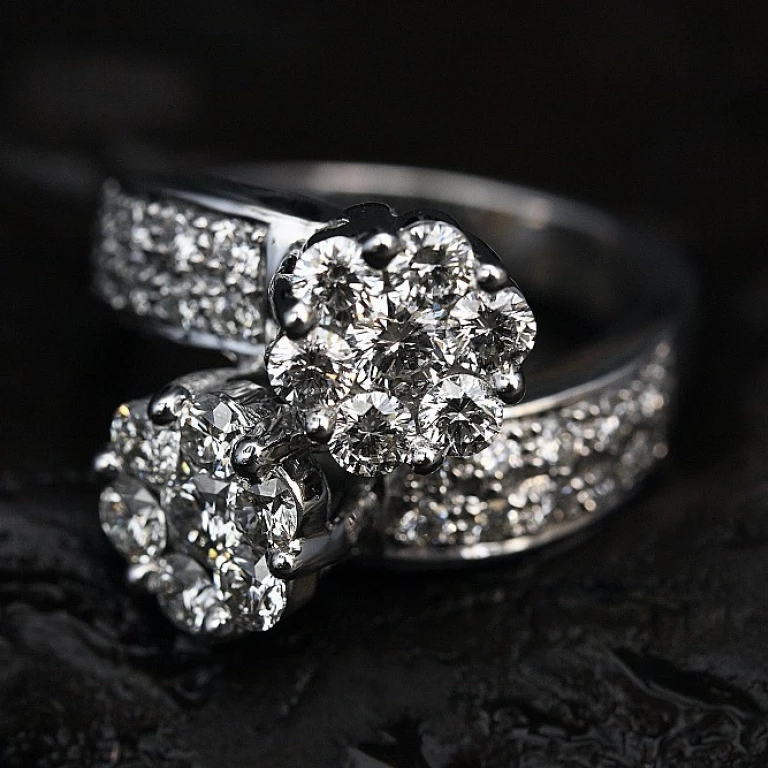
Understanding the allure of citrine and diamond rings
Why Citrine and Diamond Rings Captivate Collectors
Citrine and diamond rings have a unique appeal in the world of fine jewelry. The vibrant yellow hue of citrine, paired with the timeless sparkle of diamonds, creates a striking contrast that stands out whether set in yellow gold, white gold, rose gold, or platinum. These rings are not just beautiful; they also carry a sense of individuality and warmth, making them a favorite for those seeking something beyond the classic diamond solitaire.
The Symbolism and Versatility of Citrine
Citrine, a gemstone known for its sunny disposition, is often associated with positivity and abundance. Its golden tones can range from pale yellow to deep amber, offering a spectrum of options for jewelry lovers. When combined with diamonds, citrine rings become versatile pieces suitable for engagement, cocktail events, or everyday wear. The gemstone’s affordability compared to other stones also means a wider range of price points, making it accessible for different budgets.
- Engagement rings: Citrine engagement rings are gaining popularity for their unconventional beauty and symbolic meaning.
- Statement pieces: Oval citrine, round cut citrine, and three stone designs offer bold alternatives to traditional diamond rings.
- Metal choices: Settings in sterling silver, yellow gold, white gold, or platinum allow for further personalization.
Design Trends and Settings
Modern citrine and diamond rings come in a variety of styles. The diamond halo setting, for example, enhances the brilliance of the center citrine, while solitaire and shank ring designs highlight the gemstone’s natural beauty. Whether you prefer a gold round citrine ring or a diamond ring with a prong setting, there’s a design to suit every taste. For those interested in masculine jewelry trends, exploring bold styles in men’s fine jewelry can offer fresh inspiration for custom pieces.
What Makes These Rings a Lasting Choice?
Beyond their visual appeal, citrine and diamond rings are valued for their durability and adaptability. The hardness of diamond ensures longevity, while citrine’s resilience makes it suitable for daily wear. With proper care and maintenance, these rings can remain radiant for generations, whether you choose a citrine cocktail ring for special occasions or a classic diamond engagement ring for everyday elegance.
Evaluating the quality of citrine and diamond rings
Key Factors in Assessing Citrine and Diamond Ring Quality
When evaluating a citrine and diamond ring, several aspects determine its beauty, durability, and value. Whether you are considering a citrine engagement ring, a diamond halo design, or a classic solitaire, understanding these criteria helps you make an informed choice.
- Citrine Quality: The most desirable citrine stones display a vibrant yellow to golden-orange hue. Look for even color distribution and minimal visible inclusions. The cut of the citrine—be it oval, round, or cushion—should maximize brilliance and symmetry. A well-cut citrine enhances the overall appeal of the ring.
- Diamond Grading: Diamonds are graded by the 4Cs: cut, color, clarity, and carat weight. For diamond engagement rings or citrine diamond combinations, prioritize a well-cut diamond with good clarity and minimal color tint. The diamond’s setting, such as prong or halo, also affects its sparkle and security.
- Metal Choices: The metal setting—yellow gold, white gold, rose gold, platinum, or sterling silver—impacts both aesthetics and price. Gold citrine rings in yellow or rose gold highlight the warmth of the gemstone, while white gold or platinum offers a modern contrast. Sterling silver is a more affordable option but may require more frequent care.
- Craftsmanship: Examine the ring’s construction. A secure prong setting, smooth shank, and precise alignment of stones are signs of quality. For three stone or shank ring designs, ensure each gemstone is firmly set and evenly spaced.
- Certification and Appraisal: Reputable jewelers provide certification for diamonds and sometimes for colored gemstones. This documentation supports the ring’s value and authenticity, which is crucial for insurance and resale.
Comparing Popular Styles and Their Impact on Value
| Style | Key Features | Typical Price Range |
|---|---|---|
| Solitaire | Single citrine or diamond, classic elegance | $$–$$$ |
| Diamond Halo | Citrine center with diamond surround, extra sparkle | $$$–$$$$ |
| Three Stone | Citrine flanked by diamonds or vice versa | $$$–$$$$ |
| Cocktail | Large cut citrine, bold statement | $$–$$$ |
When shopping for citrine rings or diamond rings, always compare the gemstone’s quality, the craftsmanship, and the metal type. These factors influence both the price and the long-term enjoyment of your jewelry. For more insights into the symbolism and design elements that elevate fine jewelry, explore the allure and symbolism of the circle chain with wings in fine jewelry.
Challenges in sourcing high-quality citrine and diamonds
What Makes Sourcing Exceptional Citrine and Diamonds Complex?
Finding the right citrine and diamond for your ring is not as simple as it may seem. The journey from mine to finished jewelry involves several steps, each affecting the final quality, price, and allure of the piece. Whether you are considering a citrine engagement ring, a diamond halo design, or a classic solitaire, understanding these sourcing challenges is key to making an informed investment.
- Color and Clarity Variations: Citrine gemstones come in a range of yellow hues, from pale lemon to deep golden orange. The most prized stones display a vibrant, even color without visible inclusions. Diamonds, too, are graded for clarity and color, with the highest quality stones being colorless and free of blemishes. Sourcing stones that meet these standards can be difficult, especially for larger oval citrine or round diamond stones.
- Ethical and Sustainable Mining: Responsible sourcing is increasingly important. Both citrine and diamond mines must adhere to ethical practices, ensuring fair labor and minimal environmental impact. This can limit the supply of high-quality stones, especially for pieces like gold citrine rings or platinum diamond engagement rings.
- Cut and Shape Consistency: Achieving a precise cut—whether for a round citrine, oval diamond, or three stone shank ring—requires skilled craftsmanship. Inconsistent cutting can affect the brilliance and value of the gemstone. For intricate designs like a diamond halo or prong setting, matching the cut of each stone is crucial.
- Market Fluctuations and Price: The price of both citrine and diamonds can fluctuate based on market demand, mining output, and global events. This impacts the availability of stones for sale, especially for unique styles like citrine cocktail rings or sterling silver citrine rings.
- Metal Pairing: The choice of metal—yellow gold, white gold, rose gold, platinum, or silver—can influence the appearance and sourcing of the stones. Some citrine stones look richer in yellow gold, while diamonds often pair beautifully with white gold or platinum. Sourcing stones that complement the chosen metal adds another layer of complexity.
For fine jewelry owners, these challenges highlight the importance of working with reputable jewelers who prioritize quality and transparency. If you are interested in how sourcing challenges compare across fine jewelry, you may find this in-depth look at sourcing and value in fine jewelry insightful.
When evaluating a citrine ring or diamond engagement ring, always ask about the origin, cut, and ethical standards behind each stone. This ensures your jewelry is not only beautiful but also responsibly sourced and built to last.
Proper care and maintenance for longevity
Daily Habits for Preserving Brilliance
Citrine and diamond rings, whether set in yellow gold, white gold, rose gold, platinum, or sterling silver, require thoughtful care to maintain their beauty. Everyday routines can impact the longevity of your gemstone and metal. Remove your citrine ring before engaging in activities like gardening, cleaning, or exercising. Chemicals in household cleaners and even prolonged exposure to water can dull the shine of both citrine and diamond stones, and may weaken prong or halo settings over time.Cleaning Techniques for Lasting Sparkle
To keep your citrine and diamond engagement ring or cocktail ring looking its best, clean it regularly. Use lukewarm water, a mild soap, and a soft brush to gently remove dirt from the gemstone and shank ring. Avoid harsh chemicals or ultrasonic cleaners, especially for oval citrine or cut citrine stones, as they can damage the gemstone. After cleaning, pat dry with a soft, lint-free cloth. For rings with intricate settings like three stone or diamond halo, pay special attention to the areas around the prongs and under the stones.Safe Storage and Handling
Proper storage is essential to prevent scratches and chips. Store your citrine diamond ring separately from other jewelry, ideally in a soft pouch or a lined jewelry box. This is especially important for solitaire, gold round, or oval citrine rings, as contact with harder stones or metals can cause abrasions. If you own multiple engagement rings or gemstone pieces, consider individual compartments to avoid tangling and accidental knocks.Professional Maintenance and Inspections
Schedule professional inspections at least once a year. A jeweler can check the security of prongs, the integrity of the shank, and the condition of the stones. This is crucial for maintaining the value and safety of your investment, especially for high-value diamond engagement or citrine engagement rings. Regular maintenance can also help you spot issues early, such as loose stones or worn settings, which can affect the price and longevity of your jewelry.- Remove rings before using lotions, perfumes, or hair products
- Do not expose citrine or diamonds to extreme heat or direct sunlight for extended periods
- Consider insuring your fine jewelry to protect against loss or damage
Styling your citrine and diamond ring for different occasions
Versatile Pairings for Every Occasion
Citrine and diamond rings offer a unique blend of warmth and brilliance, making them suitable for a wide range of occasions. Whether you own a classic solitaire citrine engagement ring or a bold citrine cocktail ring with a diamond halo, styling these pieces can elevate your look from casual to formal with ease.
- Everyday Elegance: For daily wear, a gold round citrine ring or a sterling silver citrine and diamond ring pairs beautifully with neutral tones and understated outfits. The yellow hues of citrine add a subtle pop of color, while diamonds provide a touch of sparkle.
- Business and Professional Settings: Opt for a white gold oval citrine ring or a platinum three stone design. These styles are refined and sophisticated, complementing tailored suits or business attire without overpowering your look.
- Special Events and Celebrations: For formal occasions, a diamond engagement ring with a citrine center stone or a rose gold citrine cocktail ring stands out. Consider rings with a diamond halo or intricate prong settings to maximize brilliance under evening lights.
- Layering and Stacking: Mix your citrine rings with other gemstone or diamond rings for a modern, stacked effect. Yellow gold and white gold bands can be combined for a contemporary twist, while a shank ring design adds dimension.
Matching Metals and Gemstone Cuts
The choice of metal—yellow gold, white gold, rose gold, platinum, or sterling silver—can dramatically influence the overall style of your citrine and diamond jewelry. Yellow gold enhances the warmth of citrine, while white gold and platinum offer a sleek, modern contrast. For a vintage-inspired look, rose gold is a popular choice.
Consider the cut of your citrine stone as well. Oval citrine and round cut citrine rings each bring their own character. A solitaire setting highlights the gemstone, while a diamond halo or three stone arrangement adds extra brilliance and presence.
Adapting to Trends and Personal Style
Current trends favor bold, statement pieces, but timeless elegance never goes out of style. Whether you prefer a minimalist citrine engagement ring or a dramatic citrine diamond ring for sale, select pieces that reflect your personality and lifestyle. Remember, the price and value of your jewelry are influenced by quality and craftsmanship, but how you wear it is what truly sets it apart.
Insuring and appraising your fine jewelry investment
Protecting Your Citrine and Diamond Investment
When you own a fine citrine and diamond ring—whether it’s a vibrant yellow gold citrine engagement ring, a classic diamond halo, or a modern oval citrine solitaire—protecting your investment is essential. The price of these rings can vary widely depending on the quality of the gemstone, the cut citrine, the type of gold (yellow, white, or rose), and the intricacy of the setting, such as a prong or three stone shank ring. Proper insurance and appraisal practices help ensure your jewelry’s value is safeguarded.Why Appraisal Matters
An accurate appraisal is the foundation for insuring your citrine ring or diamond engagement ring. Professional appraisers evaluate the gemstone’s color, clarity, carat weight, and cut, as well as the craftsmanship of the ring—whether it’s a platinum, sterling silver, or gold round setting. This process establishes a fair market value, which is crucial for both insurance and potential resale.- Appraisals should be updated every few years, especially if the price of gold or gemstones fluctuates.
- Look for appraisers with credentials from reputable organizations like the Gemological Institute of America (GIA) or the American Gem Society (AGS).
- Request a detailed report that includes photographs, stone descriptions, and metal types (yellow gold, white gold, rose gold, platinum, or silver).
Choosing the Right Insurance
Standard homeowner’s insurance may not fully cover your fine jewelry. Consider specialized jewelry insurance to protect your citrine diamond ring or engagement rings against loss, theft, or damage. Policies can be tailored for unique pieces, such as a gold citrine cocktail ring, a diamond ring with a round halo, or a vintage oval citrine solitaire.- Compare policies for coverage limits, deductibles, and claim processes.
- Keep all purchase receipts, appraisal documents, and photographs in a secure location.
- Notify your insurer if you have your ring professionally cleaned, repaired, or if you make significant upgrades (like resetting the gemstone or adding a diamond halo).
