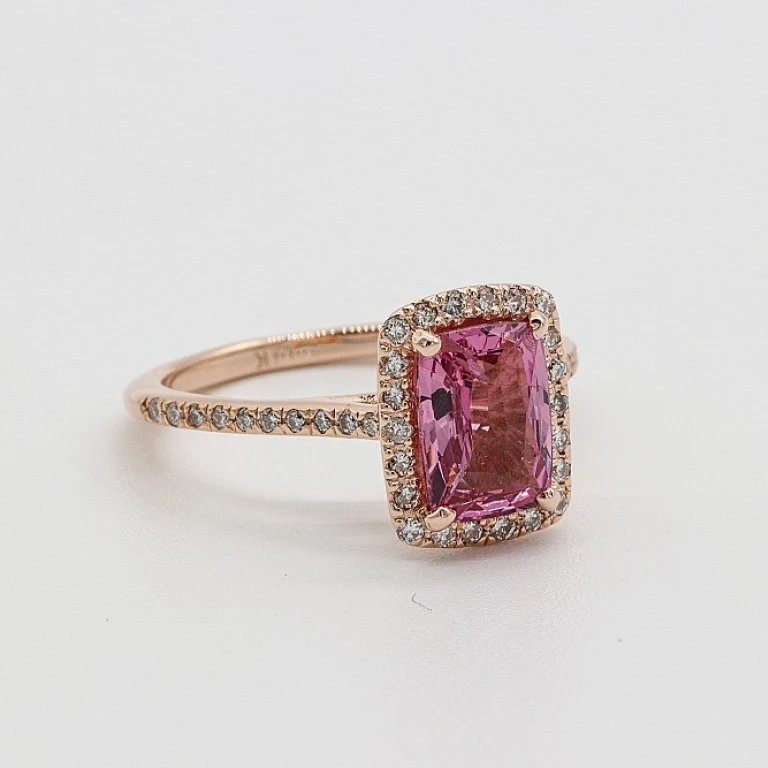
Understanding the unique value of vintage jewelry
What Sets Vintage Jewelry Apart?
Vintage jewelry captivates collectors and connoisseurs for its distinct charm, historical significance, and enduring craftsmanship. Unlike contemporary pieces, vintage jewelry often features unique designs, hand-finished details, and materials that reflect the aesthetics and techniques of a specific era. This authenticity is a key reason why vintage jewelry continues to rise in popularity among fine jewelry owners.
- Craftsmanship: Many vintage pieces showcase artisanal skills that are rare in modern mass production. Intricate filigree, hand-cut gemstones, and custom settings are common features.
- Materials: Vintage jewelry often uses high-quality metals and gemstones, sometimes with origins or treatments no longer available today.
- Historical Value: Each piece tells a story, offering a tangible connection to the past. This narrative aspect adds emotional and cultural value to a collection.
For those interested in expanding their fine jewelry collection, understanding the unique value of vintage jewelry is essential. These pieces are not just accessories; they are wearable art and a testament to the evolution of style and technique. As you explore how to identify authentic vintage pieces and integrate them into your modern collection, you’ll discover the nuances that make each item truly one-of-a-kind.
Vintage jewelry also appeals to those who prioritize sustainability and ethical sourcing. By choosing pre-owned pieces, collectors contribute to a more responsible approach to luxury. If you’re curious about the practical advantages of specific vintage styles, such as secure earring mechanisms, you may find this article on why screwback earrings are a smart choice for fine jewelry owners particularly insightful.
As you delve deeper into the world of vintage jewelry, you’ll encounter a fascinating blend of artistry, history, and investment potential. The next steps involve learning how to verify authenticity, care for your treasures, and navigate the evolving market with confidence.
Identifying authentic vintage pieces
Key Signs of Genuine Vintage Jewelry
Distinguishing authentic vintage jewelry from reproductions or modern pieces is essential for collectors and enthusiasts. Vintage jewelry, often defined as pieces over 20 years old, carries unique markers that set it apart. Recognizing these features ensures you invest in items with true historical and material value.
- Hallmarks and Stamps: Genuine vintage pieces typically feature hallmarks or maker’s marks. These small engravings indicate the metal’s purity, country of origin, or the manufacturer. For example, a 925 stamp confirms sterling silver content, which is a common indicator in vintage silver jewelry. Always inspect clasps, the back of pendants, or the inside of rings for these marks.
- Craftsmanship and Materials: Examine the construction quality. Vintage jewelry often showcases hand-finished details, such as milgrain edges, filigree work, or hand-set stones. Materials like natural gemstones, old-cut diamonds, and genuine pearls are prevalent in older pieces. Be wary of modern adhesives or synthetic stones, which may signal a reproduction.
- Patina and Wear: Authentic vintage items develop a natural patina over time. This subtle aging, especially on metals like gold or silver, adds character and is difficult to replicate artificially. Look for gentle wear on high-contact areas, such as ring shanks or bracelet clasps, which suggests genuine age.
- Design Motifs: Certain design elements are tied to specific eras. Art Deco pieces, for example, feature geometric patterns, while Victorian jewelry often includes floral motifs and intricate engraving. Familiarizing yourself with these styles helps in dating and authenticating pieces.
For those interested in gold-plated or white gold vintage jewelry, understanding the differences in plating techniques and care requirements is crucial. Explore more about the allure and care of gold-plated white gold in fine jewelry to make informed decisions when evaluating these materials.
Professional Authentication and Documentation
When in doubt, consult a reputable appraiser or gemologist. Professional evaluation provides documentation that verifies authenticity, material quality, and provenance. This step not only protects your investment but also enhances the piece’s value for future resale or insurance purposes.
By combining careful inspection, knowledge of historical styles, and expert guidance, you can confidently identify authentic vintage jewelry and add meaningful pieces to your collection.
Integrating vintage jewelry into a modern collection
Blending Eras: Styling Vintage with Contemporary Pieces
Integrating vintage jewelry into a modern collection is both an art and a statement. The allure of vintage pieces lies in their craftsmanship, history, and unique design elements. When thoughtfully combined with contemporary jewelry, these treasures can elevate your personal style and add depth to your collection.
- Layering Techniques: Pair a vintage brooch with a sleek blazer or layer antique necklaces with minimalist chains. This creates a harmonious contrast that highlights the distinct character of each piece.
- Mixing Metals and Textures: Don’t hesitate to combine yellow gold, platinum, or rose gold vintage items with modern jewelry. The interplay of textures and finishes brings visual interest and sophistication.
- Statement vs. Subtle: Let a bold vintage ring or ornate earrings take center stage, while keeping the rest of your look understated. This approach ensures your vintage jewelry remains the focal point.
For fine jewelry owners, integrating vintage pieces is also about curating a collection that tells a story. Each item, whether a family heirloom or a rare market find, contributes to a narrative of taste and discernment. Consider how a gold bracelet from Italy can seamlessly complement both vintage and modern ensembles, offering versatility and timeless appeal.
Remember, the key is balance. Vintage jewelry should enhance, not overpower, your overall look. By experimenting with combinations and honoring the unique value of each piece, you can create a collection that is both personal and enduring.
Preserving and caring for vintage jewelry
Essential Steps for Safeguarding Vintage Jewelry
Preserving vintage jewelry is crucial for maintaining its unique value and ensuring it remains a cherished part of your collection. Each piece, whether it features intricate filigree or rare gemstones, requires thoughtful care to prevent damage and retain its allure.
- Proper Storage: Store vintage jewelry in a dry, cool place, ideally in a fabric-lined box or a soft pouch. This helps prevent scratches and tarnishing, especially for delicate metals and stones.
- Gentle Cleaning: Avoid harsh chemicals and ultrasonic cleaners. Instead, use a soft, lint-free cloth to gently wipe surfaces. For stubborn dirt, a mild soap solution and a soft brush can be used, but always dry thoroughly afterward.
- Regular Inspections: Examine clasps, prongs, and settings periodically. Over time, these components can loosen, risking the loss of stones or damage to the piece. Professional jewelers can provide secure repairs using appropriate techniques for older items.
- Mindful Wear: Vintage jewelry is often more fragile than modern pieces. Remove rings and bracelets before engaging in activities that could expose them to impact or chemicals, such as cleaning or gardening.
- Documentation and Appraisal: Keep records of provenance, previous repairs, and appraisals. This not only supports authenticity but also assists in insurance claims if needed.
Common Risks and How to Avoid Them
| Risk | Prevention |
|---|---|
| Moisture and Humidity | Use silica gel packets in storage areas to absorb excess moisture. |
| Direct Sunlight | Store away from windows to prevent fading and discoloration. |
| Improper Cleaning | Consult a professional for cleaning antique or intricate pieces. |
| Physical Impact | Wear with care and avoid stacking multiple pieces together. |
By following these guidelines, you help ensure that your vintage jewelry remains as captivating and valuable as when it first caught your eye. For more information on caring for specific materials or gemstones, reputable sources such as the Gemological Institute of America (GIA) offer detailed care instructions and best practices.
Navigating the vintage jewelry market
How to Approach Vintage Jewelry Dealers and Auctions
Navigating the vintage jewelry market requires a blend of knowledge, patience, and a discerning eye. Whether you are searching for a rare Art Deco brooch or a classic Victorian ring, understanding the landscape is essential for making informed purchases.- Research reputable sources: Start with established auction houses, trusted vintage jewelry boutiques, and certified online platforms. Look for dealers who provide detailed provenance, authenticity certificates, and transparent return policies.
- Ask the right questions: Inquire about the history, previous ownership, and any restoration work done on the piece. Authentic vintage jewelry often comes with documentation or a clear story, which adds to its value and credibility.
- Understand grading and appraisals: Request independent appraisals and gemological reports for high-value items. These documents help verify the authenticity and condition of the jewelry, supporting your investment decisions.
- Be aware of market trends: The popularity of certain eras or styles can influence pricing. For example, mid-century modern designs and Art Nouveau motifs have seen increased demand in recent years.
- Evaluate pricing and negotiation: Vintage jewelry pricing can vary widely based on rarity, condition, and provenance. Don’t hesitate to negotiate, but always remain respectful and informed about current market values.
Red Flags and Buyer Protection
- Watch for reproductions: Some pieces may be marketed as vintage but are actually modern reproductions. Familiarize yourself with period-specific craftsmanship and materials to spot inconsistencies.
- Check return and authenticity policies: Reputable sellers offer clear guarantees and return options. Avoid transactions where the seller cannot provide adequate documentation or is unwilling to answer detailed questions.
- Secure payment methods: Use trusted payment platforms that offer buyer protection. This is especially important when purchasing from online marketplaces or independent dealers.
Building Relationships in the Vintage Jewelry Community
Connecting with other collectors, attending jewelry fairs, and joining online forums can enhance your knowledge and provide access to exclusive pieces. Networking with industry professionals also helps you stay updated on market shifts and new opportunities. By approaching the vintage jewelry market with diligence and curiosity, you can discover unique treasures that enrich your collection and hold lasting value.Understanding the investment potential of vintage jewelry
Evaluating Vintage Jewelry as a Financial Asset
Vintage jewelry has become more than just a style statement; it is increasingly viewed as a potential investment. The unique value of vintage pieces, discussed earlier, plays a significant role in their appreciation over time. However, understanding the investment potential requires a careful look at several factors that influence both short-term and long-term returns.
- Rarity and Provenance: Pieces with a documented history or limited production runs often command higher prices. The scarcity of certain designs or materials can drive demand, making them more attractive to collectors and investors alike.
- Condition and Authenticity: Well-preserved vintage jewelry, with minimal restoration and original components, tends to retain or increase its value. Authenticity, as covered previously, is crucial—counterfeit or heavily altered items rarely appreciate.
- Market Trends: The popularity of specific eras or styles can fluctuate. For example, Art Deco or mid-century modern pieces may experience surges in demand, impacting their market value. Staying informed about these trends is essential for making informed investment decisions.
- Material Value: The intrinsic value of precious metals and gemstones, such as gold, platinum, or diamonds, provides a baseline for investment. However, the artistry and historical significance of vintage jewelry often add a premium above material worth.
Key Considerations Before Investing
Before adding vintage jewelry to your investment portfolio, consider these practical steps:
- Seek professional appraisals to establish fair market value and ensure authenticity.
- Document each piece thoroughly, including photographs, certificates, and purchase history.
- Store jewelry in appropriate conditions to preserve its integrity and value over time.
- Monitor auction results and reputable dealers to gauge current market prices and demand.
While vintage jewelry can offer both aesthetic pleasure and financial rewards, it is important to approach each acquisition with due diligence and a clear understanding of the market. By combining passion with informed decision-making, collectors can enjoy the enduring allure and potential growth of their vintage jewelry investments.
