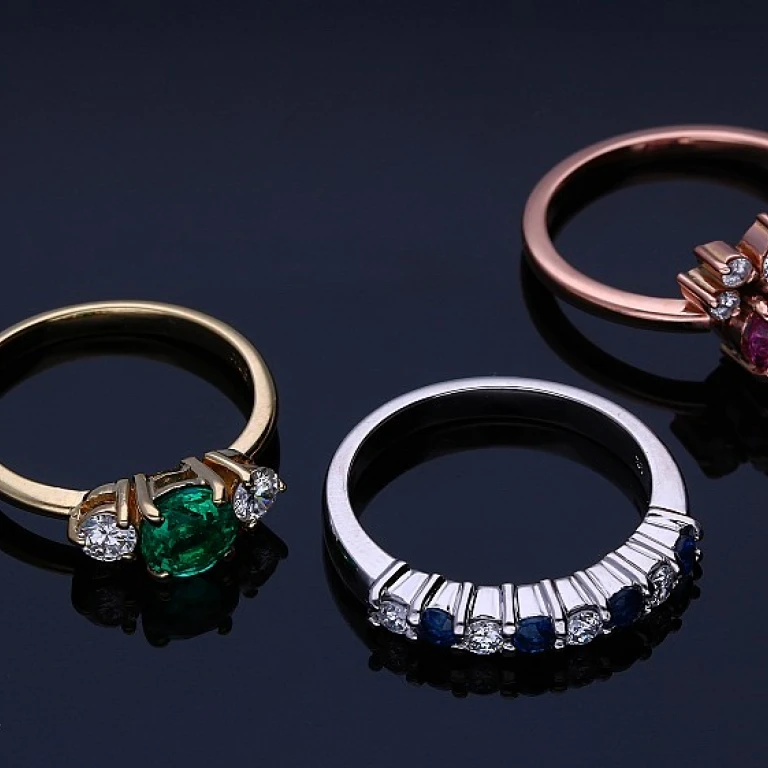
Understanding the rarity of alexandrite
The Enigmatic Appeal of Alexandrite’s Rarity
Alexandrite is one of the rarest gemstones in the world, captivating collectors and connoisseurs of fine jewelry for generations. Its unique color change phenomenon—shifting from green in daylight to red or purplish hues under incandescent light—sets it apart from other gemstones like diamond or sapphire. This natural color change is caused by trace amounts of chromium within the stone, making every alexandrite ring a marvel of nature.
Most alexandrite found in antique rings originates from the original Russian deposits, which are now largely depleted. Today, natural alexandrite is sourced in much smaller quantities from Brazil, Sri Lanka, and East Africa, but stones with strong color change and clarity remain exceptionally scarce. This scarcity drives up the price and desirability of alexandrite jewelry, especially when set in gold or paired with diamonds in vintage or estate jewelry pieces.
- Natural alexandrite is far less common than other colored gemstones, making each alexandrite ring a true collector’s item.
- Antique alexandrite rings often feature old-world craftsmanship, with gold, rose gold, or platinum settings that highlight the stone’s unique color play.
- The combination of rarity, color change, and historical provenance makes these rings highly sought after for engagement, wedding, or as part of a heritage estate collection.
Understanding the rarity of alexandrite is essential when evaluating authenticity and value, as well as when considering the investment potential of these extraordinary rings. For those interested in exploring other captivating gemstones, emerald cut aquamarine gemstones offer a fascinating alternative in the world of fine jewelry.
What defines an antique alexandrite ring
Key Characteristics of Antique Alexandrite Rings
When exploring antique alexandrite rings, it’s important to recognize what sets these pieces apart from modern jewelry. Authentic antique rings are more than just old—they reflect the artistry, materials, and craftsmanship of their era. Here’s what defines a true antique alexandrite ring:- Era and Provenance: Most antique alexandrite rings date from the late 19th to early 20th century, especially the Victorian, Edwardian, and Art Deco periods. These rings often come from heritage estate collections, carrying a sense of history and provenance that adds to their value.
- Natural Alexandrite: Genuine antique rings feature natural alexandrite stones, prized for their remarkable color change—from green in daylight to reddish-purple under incandescent light. Synthetic or lab-created stones, which became common later, do not offer the same heritage or investment appeal.
- Distinctive Cuts and Settings: Antique rings often showcase unique cuts, such as old mine or cushion cuts, which highlight the alexandrite’s color and brilliance. Settings frequently include yellow gold, rose gold, or platinum, sometimes paired with diamonds for added elegance. The craftsmanship in these rings is typically intricate, with filigree or milgrain details that are rarely seen in contemporary jewelry.
- Complementary Gemstones: Diamonds are a common companion to alexandrite in antique rings, especially in engagement rings and ring sets. The combination of alexandrite and diamonds in a gold ring or white gold setting creates a striking contrast and enhances the overall appeal.
- Patina and Wear: A genuine vintage or estate jewelry piece will often show subtle signs of age, such as a soft patina on the metal or minor wear on the stone. These characteristics are not flaws but rather indicators of authenticity and history.
How Antique Alexandrite Rings Stand Out
Antique alexandrite rings are not just beautiful—they are rare examples of gemstone artistry. The use of natural alexandrite, combined with period-specific gold or platinum settings, makes each ring a unique piece of jewelry history. Whether you’re considering a ring for an engagement, a wedding ring, or as part of a vintage collection, these rings offer a blend of elegance and heritage that modern pieces often can’t match. For those interested in exploring how antique styles influence today’s designs, you might find inspiration in the allure of the emerald cut diamond band ring, which highlights the enduring appeal of classic cuts and settings in fine jewelry.Evaluating authenticity and value
How to Spot Genuine Alexandrite in Antique Rings
When it comes to antique alexandrite rings, authenticity is everything. The rarity of natural alexandrite makes these rings highly sought after, but also prone to imitation. Understanding what sets a genuine alexandrite apart from a synthetic or treated stone is crucial for any collector or fine jewelry owner.
- Color Change: The most distinctive feature of natural alexandrite is its dramatic color change. In daylight, the gemstone typically appears green to bluish-green, while under incandescent light, it shifts to red or purplish-red. If the color change is weak or absent, the stone may not be genuine.
- Gemstone Certification: Always look for rings accompanied by certification from reputable labs such as GIA. This documentation confirms the stone’s natural origin and details about its cut, carat, and clarity.
- Setting and Materials: Antique alexandrite rings are often set in high-quality metals like yellow gold, white gold, or platinum. The presence of old mine cut diamonds or intricate vintage designs can also indicate authenticity and period accuracy.
- Provenance and Estate Jewelry: Rings with a documented history, especially those from heritage estate collections, tend to offer more assurance of authenticity. Estate jewelry dealers with a strong reputation are more likely to provide genuine pieces.
Assessing Value and Price Factors
The value of an antique alexandrite ring is influenced by several factors beyond authenticity. Here’s what to consider:
- Stone Quality: The intensity of the color change, clarity, and the precision of the cut alexandrite all impact price. Natural alexandrite with a vivid color shift and minimal inclusions commands a premium.
- Metal and Setting: Gold rings, especially those in yellow or white gold, and those set with diamonds, often fetch higher prices. Art deco or vintage settings can also add to the ring’s value.
- Rarity and Size: Larger natural alexandrite stones are extremely rare, making them more valuable. A well-matched ring set, such as an alexandrite engagement ring paired with a diamond wedding ring, can also increase overall worth.
For those considering an investment in fine jewelry, evaluating these aspects is essential. If you’re interested in learning how to assess other high-value pieces, this guide on choosing the perfect 5 diamond necklace offers additional insights into evaluating quality and authenticity in estate jewelry.
Investment potential of antique alexandrite rings
Why Antique Alexandrite Rings Attract Collectors and Investors
Antique alexandrite rings have become highly sought after in the world of estate jewelry, not only for their mesmerizing color change but also for their investment potential. The rarity of natural alexandrite, especially those set in vintage gold or platinum, makes these rings a unique asset for collectors. The gemstone’s ability to shift from green in daylight to red or purple under incandescent light adds to its mystique and value.Key Factors Influencing Value
- Origin and Authenticity: Rings featuring natural alexandrite, particularly those with documented provenance, command higher prices. Stones with a GIA certificate or other reputable gemological reports are especially desirable.
- Quality of the Stone: The intensity of the color change, clarity, and cut of the alexandrite are crucial. A well-cut alexandrite with vivid color transformation is rare and highly prized.
- Setting and Design: Antique settings in yellow gold, white gold, or platinum, often accented with diamonds, enhance both the aesthetic and investment value. Art deco and heritage estate designs are especially popular among discerning buyers.
- Condition and Craftsmanship: Well-preserved rings, with minimal restoration, maintain their value better. Originality in design and craftsmanship adds to the ring’s desirability.
Market Trends and Price Appreciation
The market for antique alexandrite engagement rings and wedding rings has shown steady growth. As natural alexandrite becomes scarcer, prices for vintage and estate pieces continue to rise. Collectors are particularly interested in alexandrite diamond ring sets and unique cuts, such as emerald or cushion, which showcase the gemstone’s color-changing properties. For those considering an alexandrite engagement ring or adding a ring alexandrite to their collection, it’s important to track auction results and consult with reputable jewelry experts. The price of a gold ring with a natural alexandrite stone can vary widely based on the factors above, but well-documented pieces often see significant appreciation over time.Tips for Maximizing Investment Value
- Seek rings with GIA certification or other trusted documentation.
- Prioritize natural alexandrite stones with strong color change and minimal inclusions.
- Consider the overall design—rings set in yellow gold, white gold, or rose gold with diamond accents tend to retain value.
- Maintain the ring’s condition and keep any original paperwork or provenance details.
Caring for your antique alexandrite ring
Preserving the Brilliance of Your Antique Alexandrite Ring
Caring for an antique alexandrite ring is more than routine cleaning—it’s about protecting a rare gemstone and the craftsmanship of vintage jewelry. Alexandrite’s unique color change and natural beauty make it a prized addition to any collection, whether set in yellow gold, white gold, or rose gold. Here’s how to maintain the allure and value of your alexandrite engagement ring, diamond ring, or estate jewelry piece:- Gentle Cleaning: Use lukewarm water, mild soap, and a soft brush to clean your ring. Avoid harsh chemicals that can damage both the gemstone and the gold or diamond settings.
- Safe Storage: Store your alexandrite ring separately from other rings and jewelry to prevent scratches. A soft pouch or a lined jewelry box is ideal, especially for pieces with intricate art deco or vintage designs.
- Professional Inspection: Have your ring checked by a jeweler with expertise in natural alexandrite and antique jewelry. They can assess the security of the setting, especially for rings set with diamonds or featuring delicate cuts.
- Avoiding Exposure: Alexandrite and diamonds are durable, but sudden temperature changes, harsh impacts, or exposure to chemicals (like chlorine) can affect the stone’s color and the integrity of the gold ring.
- Mind the Setting: Whether your ring is set in yellow gold, white gold, or features a ring set with both alexandrite and diamonds, ensure prongs and bezels are secure to prevent loss of the gemstone.
Long-Term Maintenance for Heirloom Quality
Antique alexandrite rings, especially those with a heritage estate or art deco background, deserve regular care to retain their value and beauty. Consider these additional tips:- Limit daily wear for engagement rings or wedding rings with natural alexandrite to reduce the risk of accidental damage.
- Request a GIA report or similar certification for your gemstone to document authenticity and cut, which supports both insurance and future resale value.
- For vintage or estate jewelry, periodic appraisals help track market price and ensure your investment remains protected.
Incorporating antique alexandrite rings into modern collections
Blending Antique Alexandrite Rings with Contemporary Jewelry
Antique alexandrite rings offer a unique opportunity to bridge the gap between heritage estate pieces and modern jewelry collections. Their remarkable color change and rare natural origins make them a standout addition, whether you prefer a classic look or a more eclectic style.- Pairing with Modern Metals: Antique rings set in yellow gold or rose gold can be worn alongside contemporary white gold or platinum pieces. This contrast highlights the vintage charm of the alexandrite while keeping your look fresh and current.
- Stacking and Layering: Consider stacking your antique alexandrite ring with diamond bands or other gemstone rings. Mixing cuts—such as an art deco cut alexandrite with a modern diamond ring—creates visual interest and celebrates both old and new craftsmanship.
- Mixing Engagement and Statement Pieces: An alexandrite engagement ring or wedding ring can be complemented by modern diamond rings or ring sets. The color change of natural alexandrite brings a dynamic element to your everyday jewelry rotation.
- Highlighting the Stone: Let the unique color of your alexandrite stand out by pairing it with simple, understated pieces. A vintage gold ring with a natural alexandrite gemstone can be the focal point, surrounded by minimalist white gold or diamond accents.
Tips for Seamless Integration
- Balance Proportions: Antique rings often feature distinctive cuts and settings. When combining with modern jewelry, consider the scale and silhouette to ensure a harmonious look.
- Respect the Heritage: Preserve the integrity of your estate jewelry by avoiding alterations that could impact authenticity or value. Instead, use complementary pieces to enhance the ring's presence.
- Versatile Styling: Whether you’re dressing for a formal event or everyday wear, antique alexandrite rings adapt well. Their timeless appeal means they can be worn as a statement piece or as part of a layered look with other engagement rings or wedding bands.
