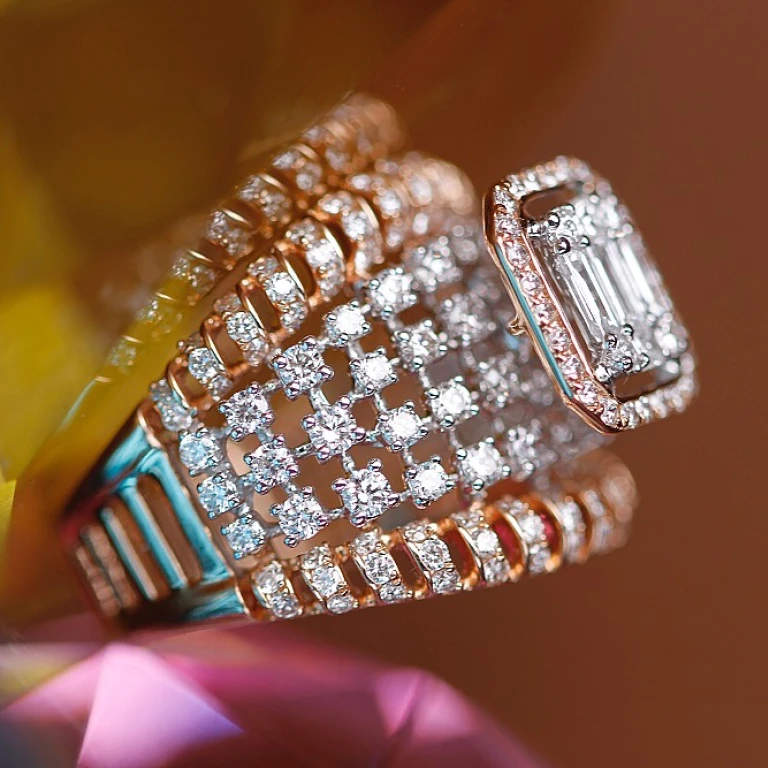
Understanding the unique appeal of vintage gold rings
The Enduring Charm of Vintage Gold Rings
Vintage gold rings have a magnetic appeal that transcends fleeting trends. Whether crafted in yellow gold, white gold, or even platinum, these pieces evoke a sense of history and artistry that modern jewelry often struggles to match. The allure lies not just in their age, but in the stories they carry and the craftsmanship that defines each ring. From the intricate filigree of an art deco band to the bold geometry of a mid-century cocktail ring, every detail reflects the era in which it was made.
Collectors and fine jewelry owners are drawn to vintage rings for several reasons:
- Unique Designs: Antique and vintage gold rings often feature hand-finished details, rare diamond cuts, and motifs that are hard to find in contemporary jewelry.
- Material Quality: Many vintage pieces were crafted using high-quality gold alloys, sterling silver, or platinum, ensuring longevity and a distinctive feel.
- Investment Value: The rarity and provenance of a vintage gold ring can influence its price, making it not just a beautiful accessory but also a potential asset.
- Sentimental Value: Engagement rings and wedding bands from past eras are often passed down as heirlooms, adding emotional depth to their appeal.
Styles range from delicate Edwardian diamond rings to bold art deco bands and elegant mid-century gold rings. Each period offers its own interpretation of beauty, whether through the use of yellow gold, white gold, or unique gemstone settings. The enduring popularity of vintage engagement rings and cocktail rings speaks to their versatility and timelessness.
For those considering a purchase, understanding the nuances of vintage gold, the difference between regular price and sale price, and how to identify authentic pieces is crucial. Exploring the refined choices in fine jewelry can further inspire your journey into the world of vintage rings. As you navigate the market, factors like provenance, documentation, and proper care will play a key role in preserving both the beauty and value of your collection.
How to identify authentic vintage gold rings
Key Features That Distinguish Authentic Vintage Gold Rings
Discerning a true vintage gold ring from a modern reproduction or a simple antique-inspired piece requires a close look at several defining characteristics. Whether you are considering a diamond engagement ring, a yellow gold band, or a mid-century cocktail ring, understanding these features is essential for both collectors and those seeking a unique addition to their jewelry collection.
- Material and Hallmarks: Genuine vintage rings are often crafted from high-quality materials such as yellow gold, white gold, platinum, or sterling silver. Look for clear hallmarks or stamps inside the band indicating gold purity (like 18K, 14K), unit price, or the presence of platinum. These marks help confirm the ring's age and authenticity.
- Craftsmanship and Design: Vintage gold rings showcase distinct craftsmanship. Art Deco rings, for example, feature geometric patterns and bold lines, while mid-century pieces may highlight intricate filigree or milgrain detailing. The cut of the diamond or gemstone can also indicate the era—old mine cut or rose cut diamonds are typical in older rings.
- Wear and Patina: Authentic vintage and antique rings often display signs of age, such as a soft patina or minor surface wear. This natural aging process is difficult to replicate and adds to the ring's character and value.
- Setting Styles: The way stones are set can reveal much about a ring's origin. For example, bezel and prong settings were popular in different periods. A vintage engagement ring may feature unique settings not commonly found in modern jewelry.
Common Pitfalls and How to Avoid Them
With the popularity of vintage gold rings, the market has seen a rise in reproductions and altered pieces. To ensure you are investing in an authentic ring vintage piece, consider these tips:
- Request detailed documentation and provenance whenever possible. This not only supports authenticity but can also impact the sale price and future resale value.
- Consult with reputable jewelers or certified appraisers who specialize in antique and vintage jewelry. Their expertise can help verify the age, materials, and craftsmanship of gold rings.
- Be cautious of rings sold at prices significantly below regular price or unit price for comparable vintage gold or diamond rings. If a deal seems too good to be true, it often is.
For those seeking a vintage engagement ring or a unique gold band, understanding these factors is crucial. Whether you are looking for a white gold art deco piece, a yellow gold cocktail ring, or a platinum diamond ring, careful evaluation ensures your investment is both beautiful and authentic. For further guidance on selecting timeless jewelry for special occasions, explore our insights on choosing the perfect cufflinks for your wedding party.
The importance of provenance and documentation
Why Provenance and Documentation Matter
For anyone passionate about vintage gold rings, understanding the story behind each piece is as important as appreciating its design. Provenance—the documented history of a ring—can significantly influence its value, authenticity, and desirability. Whether you are considering a yellow gold band from the art deco era or a platinum engagement ring with a cut diamond, knowing its journey adds depth and trust to your investment.
- Authenticity: Documentation helps confirm that a ring is truly vintage or antique, not a modern reproduction. Certificates, old sales receipts, or appraisals can verify the age and origin of gold rings, diamond rings, or even a unique cocktail ring.
- Value: Provenance can directly impact the sale price and unit price of a ring. Rings with a well-documented history—especially those crafted in white gold, yellow gold, or sterling silver—often command a higher regular price and are more attractive to collectors.
- Historical Significance: Some rings, such as mid century or art deco pieces, gain extra allure if their documentation reveals a connection to a particular era or artistic movement. This can elevate a regular engagement ring into a sought-after collector’s item.
- Trust in Transactions: When buying or selling vintage gold rings, clear documentation assures both parties of the ring’s authenticity and fair market value. This is especially important in the current jewelry market, where demand for gold vintage and antique rings continues to rise.
For owners and collectors, keeping all paperwork related to your vintage rings—such as appraisals, certificates, and previous sale records—is essential. These documents not only support the ring’s authenticity but also make future sales or insurance claims more straightforward.
If you are looking to further elevate your collection, understanding the importance of provenance is just one step. For more insights on enhancing your jewelry collection, discover how a nugget bracelet can add distinction to your ensemble.
Caring for and preserving vintage gold rings
Essential Steps for Maintaining Vintage Gold Rings
Preserving the beauty and value of a vintage gold ring requires attention to detail and regular care. Whether your piece is yellow gold, white gold, platinum, or sterling silver, the right maintenance routine helps ensure its longevity and keeps its allure intact. Here are practical tips for caring for your vintage and antique rings:
- Gentle Cleaning: Use a soft, lint-free cloth to wipe your gold rings after each wear. For deeper cleaning, soak the ring in lukewarm water with mild soap, then gently brush with a soft toothbrush. Avoid harsh chemicals, especially for rings with cut diamonds or delicate art deco designs.
- Safe Storage: Store each ring separately in a fabric-lined box or pouch to prevent scratches. Keep engagement rings, cocktail rings, and bands apart from other jewelry to avoid damage to the metal or stones.
- Professional Inspections: Have your vintage gold ring checked by a reputable jeweler at least once a year. They can assess the setting, especially for diamond rings or pieces with intricate details, and ensure the stones are secure.
- Avoiding Damage: Remove your ring before engaging in activities that could expose it to chemicals, hard knocks, or extreme temperatures. This is especially important for antique rings and those with mid century or art deco elements.
- Mind the Metal: Yellow gold, white gold, and platinum each have unique care requirements. For example, white gold may need periodic rhodium plating to maintain its shine, while sterling silver requires regular polishing to prevent tarnish.
Protecting Value and Sentiment
Proper care not only preserves the appearance of your vintage gold ring but also safeguards its investment potential and sentimental value. Well-maintained rings retain their regular price and can even appreciate over time, especially if they are rare or feature unique designs like art deco or gold vintage bands. If you ever consider a sale, a ring in excellent condition will command a higher sale price and attract more interest from collectors.
Remember, the unit price of a ring vintage piece is influenced by its condition, provenance, and the quality of materials such as gold, platinum, or diamonds. Regular maintenance ensures your jewelry remains a cherished part of your collection, whether it’s an engagement ring, a diamond ring, or a classic yellow gold band.
Investment potential of vintage gold rings
Evaluating Vintage Gold Rings as Tangible Assets
Vintage gold rings have long attracted collectors and investors alike, not just for their beauty but also for their potential as tangible assets. Unlike mass-produced jewelry, an antique or art deco gold ring often holds intrinsic value due to its craftsmanship, rarity, and historical significance. The price of a vintage gold ring is influenced by several factors, including the purity of the gold (yellow gold, white gold, or even platinum), the presence of gemstones like cut diamonds, and the overall condition of the piece.
Key Factors That Influence Value
- Material: Rings crafted in yellow gold, white gold, platinum, or sterling silver each have distinct market values. Gold vintage rings, especially those with higher karat content, tend to command higher prices.
- Era and Design: Art deco, mid century, and cocktail ring styles are particularly sought after. Unique design elements can significantly increase the sale price.
- Gemstones: A diamond ring or engagement ring with an original cut diamond will usually fetch a higher unit price compared to rings without gemstones.
- Condition and Provenance: Well-preserved rings with documented history or provenance are more attractive to buyers and can justify a higher price regular or sale price.
Market Trends and Liquidity
The market for vintage gold rings is dynamic, with demand often outpacing supply for rare and well-documented pieces. Antique engagement rings and gold bands are regularly sold at auctions and through specialized jewelry dealers. The unit price for these rings can fluctuate based on trends in jewelry, economic conditions, and collector interest. For example, art deco and mid century designs have seen a resurgence, impacting both regular price and sale price for these units.
Comparing Vintage to Modern Jewelry Investments
Unlike regular modern rings, vintage gold rings offer a unique combination of artistry and scarcity. While the price of gold provides a baseline, the added value comes from the ring’s history, design, and condition. This makes vintage rings not only wearable art but also a potential hedge against inflation, similar to other collectible assets. However, liquidity can vary, and it’s essential to understand the market before buying or selling.
| Type | Material | Era | Gemstone | Price Range |
|---|---|---|---|---|
| Engagement Ring | Yellow Gold, Platinum | Art Deco, Mid Century | Diamond | $2,000 - $20,000+ |
| Cocktail Ring | White Gold, Sterling Silver | Mid Century | Diamond, Colored Stones | $1,000 - $10,000 |
| Band | Gold, Platinum | Antique, Art Deco | None or Small Diamonds | $800 - $5,000 |
When considering a vintage gold ring as an investment, always verify authenticity, provenance, and condition. These factors, combined with current market trends, will help determine both the regular price and potential sale price, ensuring your jewelry collection remains both beautiful and valuable.
Navigating the market: buying and selling vintage gold rings
Key Considerations When Entering the Vintage Gold Ring Market
Buying or selling a vintage gold ring requires a thoughtful approach. The market for antique and vintage jewelry is dynamic, with trends in yellow gold, white gold, and platinum shifting over time. Whether you are searching for a mid century cocktail ring, an art deco diamond band, or a classic engagement ring, understanding the nuances of the market can help you make informed decisions.
- Assessing Authenticity and Condition: Always verify the authenticity of the gold ring. Look for hallmarks, maker’s marks, and signs of age. A genuine vintage gold ring will often show subtle wear, but should not have significant damage unless clearly described and reflected in the sale price.
- Understanding Price Factors: The price of vintage rings is influenced by the unit price of gold, the rarity of the design, the presence of diamonds or other gemstones, and the overall condition. Art deco and mid century designs, for example, often command a higher regular price due to their craftsmanship and demand.
- Documentation and Provenance: Documentation, such as original receipts or certificates, can increase the value and trustworthiness of a piece. Provenance can also affect the sale price, especially for rings with a notable history or from a recognized jewelry house.
- Marketplaces and Dealers: Choose reputable dealers or auction houses specializing in antique and vintage gold rings. Online platforms can offer a wide selection, but always check for clear photos, detailed descriptions, and return policies. For high-value items like a diamond ring or platinum engagement ring, consider in-person inspection or third-party authentication.
- Trends and Demand: Certain styles, such as yellow gold bands or white gold engagement rings, may fluctuate in popularity. Stay informed about current trends, but prioritize pieces that resonate with your personal style or collection goals.
Tips for Sellers: Maximizing Value
- Professional Appraisal: Obtain an up-to-date appraisal to determine the regular price and potential sale price of your ring vintage or gold vintage piece.
- High-Quality Presentation: Clean and photograph your jewelry in natural light to highlight details like cut diamond settings or intricate art deco engravings.
- Transparent Descriptions: Clearly state the materials (yellow gold, white gold, platinum, or sterling silver), gemstone details, and any known history. Transparency builds trust and can lead to a smoother sale.
Buyer’s Checklist
| Aspect | What to Look For |
|---|---|
| Material | Yellow gold, white gold, platinum, or sterling silver |
| Design Era | Art deco, mid century, antique, or modern vintage |
| Gemstones | Diamond, cut diamond, or colored stones |
| Condition | Minimal wear, no major repairs, original components |
| Documentation | Certificates, appraisals, provenance |
| Price Comparison | Compare regular price, unit price, and sale price across sellers |
Whether you are adding a gold ring to your collection or preparing a vintage piece for sale, a careful, informed approach will help you navigate the market with confidence. The enduring appeal of vintage gold rings lies in their unique blend of artistry, history, and intrinsic value.
