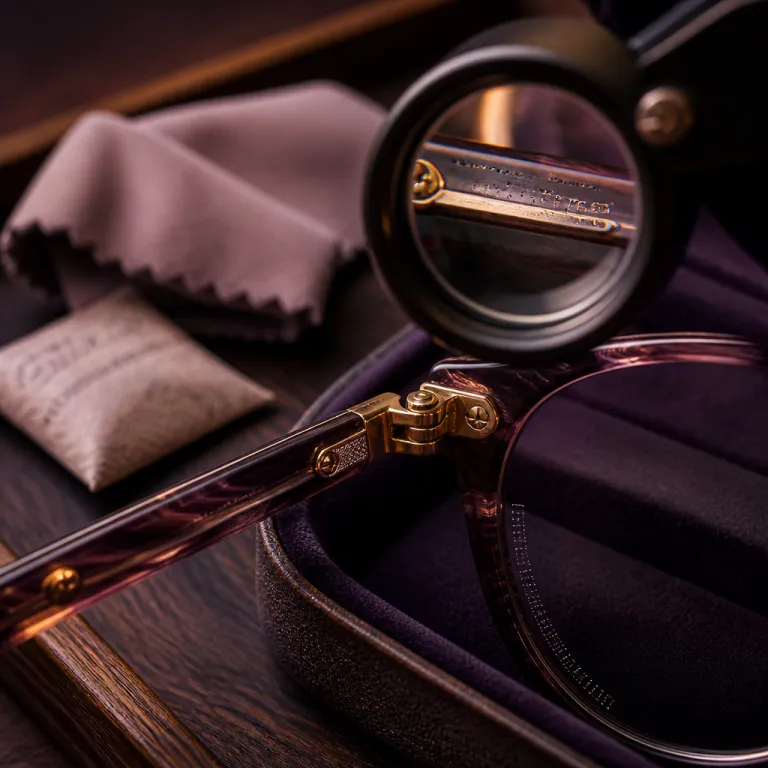
Why Cartier glasses matter in a fine jewelry level collection
For many fine jewelry owners, Cartier glasses sit beside diamond bracelets in the safe, treated as wearable objets d’art rather than simple optical accessories. Because Cartier eyewear is positioned at the same high quality tier as your bracelets and necklaces, understanding how to tell if Cartier glasses are real becomes part of your broader authenticity strategy. A single real Cartier pair can hold value like a small jewel, while several fake Cartier pieces quietly erode both capital and confidence.
Cartier has built its reputation on authentic craftsmanship, precise frames, and meticulous details that echo its high jewelry ateliers. When you evaluate Cartier eyewear or Cartier sunglasses, you are not only checking glasses but also testing the integrity of the Cartier logo, the metal finishing, and the serial numbers engraved on the temples. Treat each pair of Cartier frames as you would a signed jewel, where every number, every logo, and every millimetre of nose length must align with the maison’s standards.
Collectors who already own buffalo horn bangles or gold cufflinks often extend their taste to genuine Cartier glasses and sunglasses. This is why counterfeit products in the eyewear segment are so insidious, because counterfeit glasses can infiltrate a collection that otherwise contains only authentic Cartier jewelry. The line between real and fake can appear subtle at first glance, yet the difference in quality, wear chipping, and long term comfort becomes obvious once you know where to look.
Core checkpoints: serial numbers, logo, and construction
The most reliable way to start assessing how to tell if Cartier glasses are real is to examine the serial number and construction together. Authentic Cartier eyewear always carries a clear, evenly engraved serial number on the inner side of one temple, and genuine Cartier frames show consistent spacing, depth, and alignment of those serial numbers. Typical modern formats often combine letters and digits in a straight line, with characters of identical height and no smudging or over-etching. When you compare real Cartier pieces with fake Cartier versions, the engraving on counterfeit products often looks shallow, irregular, or printed rather than cut.
Look closely at the Cartier logo on the temples and nose pads, because this logo behaves like a signature on a signed jewel. On authentic Cartier glasses and Cartier sunglasses, the Cartier logo is crisp, with clean edges and no ink bleeding, while fake Cartier glasses frequently show fuzzy printing, inconsistent fonts, or misaligned logos. If you already use a loupe for diamonds, apply the same tool to your eyewear and you will quickly see whether the logo and serial numbers meet high quality expectations or reveal counterfeit glasses. For a simple photo checklist, capture straight-on images of the serial number, both temple logos, the bridge, and the nose pads, then compare them with verified product shots from authorised retailers or your own known authentic pair.
Construction details also speak volumes about authenticity Cartier standards, especially when you handle several glasses side by side. Real Cartier frames feel balanced in the hand, with hinges that open smoothly and close with a precise click, whereas fake frames often feel either too light or oddly heavy for their size. For a deeper methodology that parallels jewelry verification, adapt the same discipline you use for hallmarks and maker’s signatures to every pair of Cartier eyewear you acquire, checking that screws sit flush, arms move symmetrically, and there is no excess glue or rough metal at contact points. If you notice rattling, uneven arm tension, or hinges that bind, treat the piece as suspect until a professional confirms whether it is genuine or counterfeit.
Material analysis: buffalo horn, metals, and lenses
Material is where many fine jewelry owners feel most at ease, because Cartier glasses often use buffalo horn, precious metal plating, and high quality lenses that resemble jewelry level components. When you assess how to tell if Cartier glasses are real, start by comparing the feel of buffalo horn temples with plastic imitations, since genuine buffalo horn has subtle grain variations and a warm touch that fake materials rarely replicate. Run your fingers along the frames and nose pads, and you will notice that authentic Cartier horn and metal surfaces feel smooth yet not slippery, while fake Cartier pieces often feel either waxy or aggressively polished.
Real Cartier eyewear uses lenses with excellent optical quality, consistent tint, and strong resistance to wear chipping at the edges. Counterfeit glasses may initially appear similar, but under bright light you can see uneven coloration, surface waves, or tiny chips where the lenses meet the frames, which signal counterfeit products rather than genuine Cartier sunglasses. When you tilt the glasses and observe reflections, authentic lenses show clean, controlled reflections, whereas fake lenses often reveal distortion that would never pass Cartier quality control. A quick at-home test is to look at a straight line on graph paper through one lens at a time; on real Cartier lenses the line should remain straight, while on poor quality counterfeits it may appear slightly warped.
Metal components on authentic Cartier frames, including screws, hinges, and decorative motifs, are finished to a high standard that matches the maison’s jewelry. On real Cartier sunglasses and optical glasses, plating is even and durable, so any wear chipping tends to appear gracefully over long use rather than flaking quickly like on fake frames. For collectors who appreciate bezel set diamonds, the same eye that evaluates a bezel set diamond necklace can be trained to read the micro finishing on Cartier eyewear and distinguish real from fake with confidence. If you see exposed base metal in high-friction areas after minimal wear, or plating that changes colour unevenly, treat that as a concrete warning sign.
Fit, measurements, and the role of the nose pads
Authentic Cartier glasses are engineered with precise measurements, so the way they sit on your face becomes another indicator of authenticity. When you analyse how to tell if Cartier glasses are real, pay attention to the nose length, temple length, and overall balance, because real Cartier frames follow consistent sizing standards that align with the printed size details inside the temples. Fake Cartier glasses often show a mismatch between the stated length numbers and the actual fit, which you can detect by comparing several pairs or measuring with a millimetre ruler. As a quick checklist, confirm that the eye size, bridge width, and temple length printed inside the arm correspond to your measurements and that both arms are the same length when folded flat.
The nose pads on Cartier eyewear deserve special attention, especially for fine jewelry owners accustomed to evaluating tiny components like earring backs. On authentic Cartier sunglasses and optical frames, nose pads are symmetrical, firmly attached, and often carry a discreet Cartier logo that is sharply executed, while counterfeit glasses may have loose, uneven, or unbranded nose pads. If the nose pads feel rough against the skin or show early wear chipping, you are likely handling counterfeit products rather than high quality genuine Cartier pieces. Check the metal pad arms as well: on real Cartier frames they should be neatly bent and mirror each other, not twisted or asymmetrical.
Comfort over time also helps separate real from fake, because authentic Cartier frames distribute weight evenly across the nose and ears. When you wear a real Cartier pair for several hours, the glasses should feel stable without pinching, whereas fake frames often create pressure points or slide due to poor geometry and incorrect nose length. For collectors who already track ring sizes and bracelet lengths carefully, applying the same discipline to eyewear measurements will strengthen your ability to judge whether a pair of Cartier glasses is real or fake. If a supposedly new pair immediately causes discomfort or sits crooked despite professional adjustment, consider that a practical signal to investigate authenticity further.
Market signals, pricing, and protecting resale value
The luxury eyewear market behaves much like the secondary market for signed jewelry, where price, provenance, and condition all signal authenticity. When you evaluate how to tell if Cartier glasses are real in a resale context, compare the asking price with typical market ranges for authentic Cartier eyewear, because a suspiciously low price often indicates fake Cartier products or damaged frames. A real Cartier pair with original case, cleaning cloth, and paperwork usually commands a premium, while counterfeit glasses rarely come with complete, coherent documentation. When in doubt, ask the seller for close-up photographs of the serial number, logos, and any service receipts before committing.
Fine jewelry owners who follow auction results know that genuine Cartier sunglasses and optical glasses can retain strong value when kept in high quality condition. Scratches, heavy wear chipping, or replaced nose pads may not automatically mean the glasses are fake, but they do reduce value and should be reflected in the price, just as with signed bracelets or watches. For a broader perspective on how branded pieces influence resale, you can read about the impact of design trends on luxury resale values and apply similar thinking to your Cartier frames. Keeping original packaging, invoices, and any boutique service records together with the glasses will make future resale smoother and support your authenticity claims.
Counterfeit products have become more sophisticated, yet they still struggle to match the long term durability of authentic Cartier glasses. Real Cartier eyewear tends to age gracefully, with minor patina on metals and gentle softening of buffalo horn, while fake Cartier frames often show structural issues, misaligned hinges, or severe wear chipping after limited use. When you plan a future return or resale, keeping invoices, certificates, and service records will support the authenticity Cartier narrative of your collection and help buyers distinguish real from fake at a glance. Authorised opticians and brand boutiques can sometimes reissue service confirmations, which further reinforce provenance.
Practical protocol: from first inspection to professional verification
Establishing a clear protocol for how to tell if Cartier glasses are real will bring your eyewear acquisitions in line with your fine jewelry standards. Start with a visual sweep of the frames, logo, and serial number, then move to tactile checks of weight, balance, and nose pads, because this layered approach quickly separates obviously fake Cartier pieces from candidates that merit deeper analysis. Photograph each pair of Cartier glasses you consider, including close ups of serial numbers and the Cartier logo, so you can compare them with verified images from authorised retailers or your own genuine Cartier collection. As a concise step-by-step checklist, move through these stages in order: (1) serial number and logo, (2) construction and hinges, (3) materials and lenses, (4) fit and comfort, and finally (5) paperwork and price.
When a pair Cartier item passes your initial checks but still raises questions, involve a professional who regularly handles Cartier eyewear and jewelry. Opticians who are authorised Cartier dealers, experienced luxury resellers, or brand boutiques can confirm whether the serial numbers correspond to authentic Cartier production and whether the materials match catalogued specifications. Many high-end optical practices now offer paid authentication services for designer frames, and established auction houses or specialist resale platforms often have in-house experts who can provide written opinions. Their feedback can also help you refine your sense of real versus fake, especially when you handle both real Cartier and counterfeit glasses during the same session.
If a purchase later proves to be counterfeit, act quickly to request a return and report the seller, just as you would with a misrepresented jewel. Many platforms have policies that protect buyers of high quality goods, but they often require clear documentation of the fake nature of the product and evidence of misleading claims. Over time, this disciplined approach will reduce the risk of real fake mixes in your collection, ensuring that every piece of Cartier eyewear you own aligns with the same authenticity standards as your finest jewelry. Retaining screenshots of listings, correspondence, and expert assessments will make it easier to enforce those protections.
Key statistics on luxury eyewear authenticity
- According to the Organisation for Economic Co operation and Development, trade in counterfeit products across all categories represents more than 3 % of global trade by value, and luxury eyewear is a significant component of this illicit market. The OECD and the European Union Intellectual Property Office have jointly highlighted eyewear as a recurrent target for counterfeiters in their reports on fake goods in international commerce, noting that designer frames and sunglasses are frequently seized in customs operations.
- Data from the European Union Intellectual Property Office indicate that counterfeit glasses and sunglasses cost legitimate manufacturers in the European Union several billion euros in lost sales each year, which directly affects brands such as Cartier. These losses also translate into reduced tax revenues and fewer jobs in authorised optical and jewelry retail networks, and the EUIPO has repeatedly cited eyewear as one of the sectors with the highest relative share of counterfeit trade.
- Surveys by major resale platforms show that listings flagged for potential authenticity issues in luxury eyewear can reach double digit percentages, underscoring the need for serial number checks and logo verification on every Cartier frames purchase. Platforms that invest in expert authentication teams consistently report lower return rates and higher buyer confidence, and some now require mandatory verification for high value designer glasses before they are released to buyers.
- Industry reports from optical trade associations suggest that authorised retailers see a measurable increase in client loyalty when they provide formal authenticity documentation for eyewear, mirroring patterns long observed in the fine jewelry sector. Clients who receive written confirmation of authenticity are more likely to return for future purchases and to resell through vetted channels rather than informal marketplaces, which in turn helps keep counterfeit products out of established collector circles.
FAQ about Cartier glasses authenticity
How can I quickly check if my Cartier glasses are authentic ?
Begin by examining the serial number engraving inside the temple, the clarity of the Cartier logo, and the overall quality of the frames and nose pads. Authentic Cartier eyewear shows precise, clean engravings, balanced weight, and high quality materials, while fake Cartier pieces often reveal shallow markings and poor finishing. If any of these elements look inconsistent, treat the glasses as suspect until a professional confirms their authenticity. A simple first pass is to compare your pair side by side with a known genuine model at an authorised optician or boutique.
Do all authentic Cartier glasses have a serial number ?
Modern authentic Cartier glasses and sunglasses carry a unique serial number engraved on the inner temple, and genuine Cartier frames show consistent font and spacing. If your pair lacks any serial numbers or shows a printed rather than engraved number, this is a strong warning sign of counterfeit glasses. For older or special models, consult an authorised Cartier retailer or service centre to confirm the correct serial number format and placement, and ask them to check the code against their internal records where possible.
Is buffalo horn always used on real Cartier frames ?
Cartier uses buffalo horn on specific high end models, but many authentic Cartier frames are made from metal, acetate, or combinations of materials. The presence of buffalo horn alone does not guarantee that Cartier glasses are real, because counterfeit products often imitate the look of horn with plastic. Focus on the overall quality, details, and serial numbers rather than relying on one material as proof of authenticity. If you are unsure whether a material is genuine horn or synthetic, an experienced optician or luxury eyewear specialist can usually tell by touch and magnified inspection.
Can I rely on packaging to decide if Cartier sunglasses are real or fake ?
Packaging can provide clues, since authentic Cartier sunglasses usually come with a branded case, cloth, and documentation of high quality, but boxes and cases are frequently copied. Counterfeit products may include convincing packaging while still being fake Cartier frames, so you should always inspect the glasses themselves, especially the logo, serial number, and construction. Treat packaging as supporting evidence, not as definitive proof of authenticity Cartier standards, and prioritise the physical details of the frames over the appearance of the outer box.
What should I do if I realise my Cartier eyewear is counterfeit after purchase ?
If you confirm that a pair of Cartier glasses is fake, contact the seller immediately and request a return based on misrepresentation. Provide photographs of the serial numbers, logo, and any obvious quality issues, and if necessary obtain a written assessment from an authorised Cartier retailer or expert. Reporting counterfeit glasses to the platform or relevant authorities also helps protect other collectors and supports the integrity of the luxury eyewear market. Keep copies of all correspondence and expert opinions, as these can be crucial if you need to escalate the dispute.
