Why professional level jewelry care starts at home
Your fine jewelry does not age in years, it ages in habits. The gap between a gold engagement ring that still looks sharp and one dulled by everyday wear usually comes down to small daily decisions that either respect or punish the metal and stones. A precise home routine built around a few disciplined fine jewelry care tips will help each piece hold its line, its light, and its long term value.
Think of every jewelry piece as a miniature architecture of metal, stones, and tension. Gold jewelry, especially in higher karats, is relatively soft compared with platinum, so careless cleaning or rough storage can deform prongs and loosen a diamond or colored stones long before you notice. A connoisseur level jewelry guide for care practice treats each ring, bracelet, and earring as a technical object first and an ornament second.
Start by mapping your collection into daily wear jewelry pieces and occasional statement pieces. Daily rings and bracelets live closer to detergents, warm water, temperature changes, and hard surfaces, so they demand stricter jewelry care protocols and more frequent inspection. Occasional fine jewelry can tolerate longer intervals between cleaning sessions, but it still needs a structured care schedule and a controlled jewelry box environment to avoid slow, invisible damage.
Daily rituals: when to remove jewelry and how to treat it
The most effective fine jewelry care tips are not dramatic; they are repetitive. Make it automatic to remove jewelry before cleaning the kitchen, lifting weights, or stepping into a chlorinated pool, because those environments combine abrasion, chemicals, and sudden temperature changes that stress both metal and stones. This single habit will help reduce wear on every fine jewelry piece you own more than any miracle polishing cloth ever could.
In the bathroom, keep a small jewelry box or tray as a visual cue to take off rings before applying hand cream, hair spray, or perfume. These products leave a film that dulls a diamond, clogs pavé settings, and can slowly attack white gold rhodium plating or delicate pearl jewelry surfaces. Place a dry, soft liner in that box so each piece rests on a cushioned surface rather than hard ceramic or metal.
For showering and swimming, even so called waterproof earrings deserve scrutiny, and a dedicated routine for choosing and caring for waterproof earrings in your fine jewelry collection is outlined in this guide to waterproof earrings for fine jewelry collections. Warm water and soap create a deceptively slick environment where studs can unscrew and hoops can unlatch, sending jewelry pieces straight down a drain. Treat every shower as a moment to remove jewelry, store it in a safe jewelry box, and keep both gold jewelry and stones away from prolonged humidity that encourages corrosion in clasps and earring backs.
Stone by stone: precise cleaning for diamonds, emeralds, and pearls
Professional level jewelry care lives in the details of how you clean each stone. Diamonds, corundum stones such as sapphires and rubies, and many modern cuts tolerate more assertive cleaning than emeralds or organic materials, but even they respond best to a soft, methodical approach. A disciplined routine that respects the specific geology of your fine jewelry will help keep brilliance high while keeping risk low.
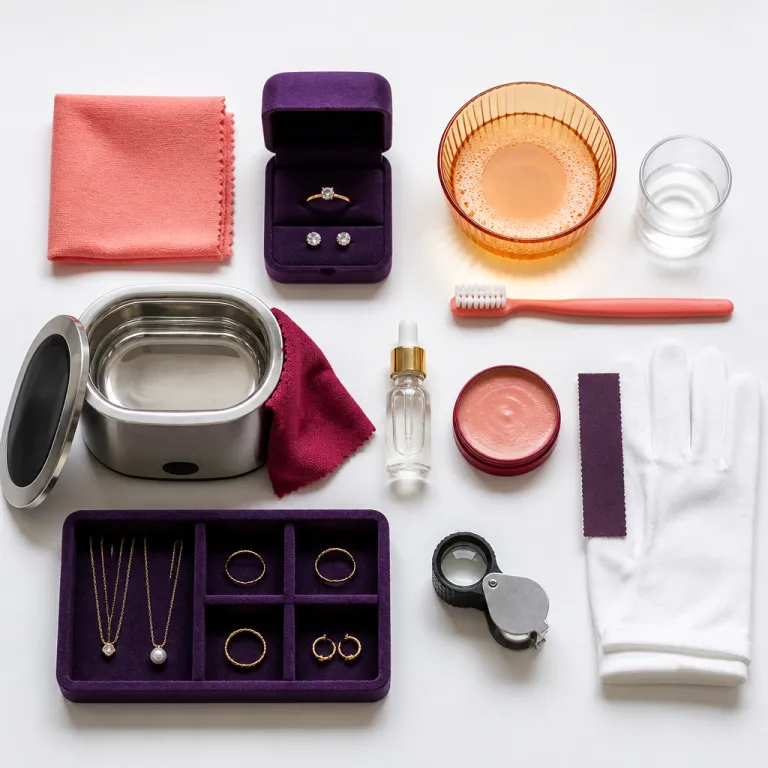
For most diamond rings and sturdy colored stones, follow a simple at home process if you are wondering how to clean a diamond engagement ring at home weekly without damage:
- Prepare a small bowl of warm water with a drop of mild, fragrance free dish soap, such as a gentle clear formula without moisturizers.
- Let the jewelry pieces soak for ten to fifteen minutes to loosen oils and residue.
- Use a soft brush, like a baby toothbrush or a dedicated soft bristle jewelry brush, to clean under the pavilion and around prongs.
- Rinse in clean warm water over a bowl or strainer, never directly over an open drain.
- Pat dry with a soft cloth and let the piece air dry fully before wearing or storing.
Always use a dry, soft cotton or microfiber cloth, never paper towels, because paper fibers can scratch gold jewelry and white gold surfaces over time.
Emeralds, opals, and pearl jewelry sit at the opposite end of the spectrum and demand ultra gentle care routines. Never use an ultrasonic cleaner on these stones, never soak them in hot or very warm water, and always avoid harsh detergents or steam that can cause internal fractures or surface crazing. Instead, wipe each fine jewelry piece with a barely damp soft cloth, allow it to air dry on a clean towel, and then store it separately in a lined jewelry box as part of a long term strategy for building a wardrobe of tarnish free gold jewelry that lasts, such as the approach detailed in this tarnish free gold jewelry wardrobe guide.
Metal matters: gold, white gold, and the art of wearing in
Not all metals age in the same way, and refined fine jewelry care tips respect that difference. Platinum develops a soft grey patina that many collectors prize, while gold shows its life through a constellation of fine scratches that can either read as character or neglect. The art is knowing when your jewelry pieces are wearing in gracefully and when they are simply wearing out.
Yellow and rose gold jewelry are relatively soft, so stacking multiple rings on one finger accelerates wear where bands rub together. If you love a stacked look, rotate pieces so the same gold surfaces do not grind daily, and clean them regularly with warm water, a drop of mild soap, and a soft brush to remove trapped grit that acts like sandpaper. White gold adds another layer of complexity, because its bright surface usually comes from rhodium plating that thins with time and requires periodic re plating as part of serious jewelry care, so understanding when to replate white gold is central to keeping it looking freshly finished.
At home, avoid aggressive polishing compounds on any fine jewelry piece, especially vintage or high polish gold jewelry. Use a soft cloth only, working in straight lines rather than circles, and keep the cloth dry unless you are doing a full cleaning with warm water and soap. When in doubt, err on the side of less friction and more frequent gentle care, because restraint will help preserve both crisp edges and long term value.
Storage, humidity, and the invisible enemies of fine jewelry
What happens when you are not wearing your fine jewelry often matters more than what happens on your wrist. A ring that spends most of its life tossed into a dish by the sink will show more wear in five years than a similar piece stored correctly for decades. Thoughtful storage is the quiet backbone of every serious jewelry guide for long term preservation.
Invest in a structured jewelry box with individual compartments so each piece rests alone, metal away from metal and stones away from stones. Lined slots and pouches keep gold jewelry from rubbing against harder stones like sapphires and diamonds, which can scratch softer metals and even other stones if they move together. If your home tends to be humid in certain seasons, add silica gel packets or a small dehumidifier near the box, because controlling moisture will help slow tarnish on clasps and reduce the risk of corrosion in white gold alloys.
Never store fine jewelry in the bathroom, where warm water vapor and constant temperature changes create a hostile microclimate. Instead, choose a cool, dry drawer or safe, and wrap especially delicate pearl jewelry or antique pieces in a soft cloth before placing them in the jewelry box. This simple separation, combined with regular but gentle cleaning using a soft brush and warm water where appropriate, forms the core of at home care practice for serious collectors.
When home care is not enough: inspections, appraisals, and ethics
Even the most meticulous at home fine jewelry care tips have limits. Prongs wear down, clasps fatigue, and micro pavé settings lose tension in ways that only magnification and a trained bench jeweler can assess. Building a relationship with a trusted atelier or independent appraiser is as essential to jewelry care as owning a soft cloth or soft brush.
Schedule a professional inspection and cleaning for your most worn jewelry pieces at least once a year, and more often for an engagement ring or daily bracelet. Ask the jeweler to check every prong, especially around the center diamond and any side stones, and to show you under magnification where metal has thinned or where wear is beginning. Use these visits to update insurance appraisals, because shifts in gold prices and demand for fine jewelry can leave policies underinsured if they are not refreshed regularly.
Stewardship now also includes ethical scrutiny, and serious collectors increasingly align their care routines with responsible sourcing values. For a deeper perspective on why conflict free claims are no longer sufficient and how that affects the way you buy and care for each piece, study this analysis of the new ethics of luxury and conflict free standards. In the end, the most sophisticated jewelry guide is simple; what you clean gently, store thoughtfully, and question ethically will help your collection look investment grade for longer, because what endures is not the carat count, but the fire in the stone.
Key figures that frame investment grade jewelry care
- Industry claims data from major insurers consistently show that a significant share of jewelry losses involve center stones coming loose from worn prongs, which underlines why annual professional inspections combined with careful at home cleaning are critical for fine jewelry owners; for example, internal summaries from specialist underwriters often attribute more than one third of high value stone losses to setting failure rather than theft.
- Market analyses from leading auction houses indicate that pieces in excellent condition can command notable premiums over similar jewelry in fair condition, demonstrating that disciplined jewelry care directly affects resale value, with condition related price differences of twenty to forty percent reported in several seasonal fine jewelry sale reviews.
- Consumer research from trade associations such as Jewelers of America suggests that many owners underestimate the impact of temperature changes, chlorinated water, and household chemicals on gold jewelry, even though these factors are among the most common causes of premature wear in everyday pieces, and surveys regularly find that a majority of respondents admit to cleaning or swimming in jewelry at least weekly.
- Surveys by specialist jewelry insurers report that a large proportion of policies are underinsured because appraisals are not updated to reflect movements in gold and diamond prices, which makes regular valuation part of responsible care practice, and several recent reports note that more than half of clients have not refreshed appraisals within the recommended three to five year window.
FAQ: fine jewelry care at home
How often should I clean my everyday diamond ring at home ?
For a diamond ring worn daily, a gentle at home cleaning once a week using warm water, a drop of mild soap, a soft brush, and a soft cloth is usually ideal. This removes skin oils and product buildup before they harden and dull the stone or trap grit around prongs. Combine this with a professional inspection and deep clean at least once a year to catch wear before it risks stone loss.
Is it safe to shower or swim while wearing gold jewelry ?
Showering occasionally with gold jewelry will not dissolve the metal, but it is still unwise as a routine. Warm water, shampoo, and conditioner leave residue that makes pieces look dull, and slippery skin increases the risk of losing a ring or earring. Pools and hot tubs are harsher, because chlorinated water and temperature changes can weaken solder joints and stress stones, so it is better to remove jewelry before swimming.
What is the safest way to clean pearl jewelry at home ?
Pearl jewelry should never be soaked, scrubbed with a stiff brush, or exposed to harsh detergents. Wipe each strand or earring gently with a slightly damp soft cloth after wearing, let it dry completely on a towel, and then store it flat in a lined jewelry box away from other pieces. Have strands restrung periodically by a professional, especially if you notice fraying or discoloration on the silk between pearls.
How can I tell if my prongs need re tipping or repair ?
Under good light, look closely at each prong and run a fingertip lightly over the setting to feel for sharp edges or uneven heights. If a prong looks thin, flattened, or shorter than its neighbors, or if you can see more of the diamond girdle than before, the setting likely needs attention. Any movement of the stone, even slight, is a sign to stop wearing the piece and take it to a jeweler immediately.
Where should I store fine jewelry to minimize damage over time ?
The best place to store fine jewelry is a structured jewelry box or safe with individual compartments, a soft lining, and low humidity. Keep pieces separated so stones and metals do not rub, avoid bathrooms or other damp spaces with frequent temperature changes, and add silica gel packets if your climate is humid. This controlled environment, combined with regular gentle cleaning and mindful wear, will help your collection stay investment grade for longer.