The heirloom test for jewelry that outlives trends
Heirloom status is not about price; it is about staying power over time. A true heirloom quietly passes a demanding test that weighs design, materials, craftsmanship, and emotional significance together. When you treat each new fine jewelry purchase as a candidate for future family stories, you start buying differently and far more deliberately.
Begin with the question that underpins every worthwhile investment in enduring jewelry pieces : would this look as right on your wrist thirty years ago as it will on your granddaughter’s wrist thirty years from now. That “would it feel appropriate in another decade” test filters out most trend driven designs, leaving only pieces with classical proportions, balanced negative space, and restrained ornament. A gold engagement ring with a single oval diamond in a four prong setting usually passes this timeless design test, while a heavily logoed bracelet or oversized monogram pendant often fails it quickly.
Think of the heirloom test as a framework rather than a rigid rulebook for investing in jewelry with confidence. You are weighing design, construction quality, precious metals, and gemstones against how you actually live and how your family wears jewelry over time. The goal is not to chase abstract wealth but to choose each piece so that it feels like a lasting investment in both beauty and memory.
Many collectors compare jewelry investment decisions to buying real estate, because both require patience and a long term view. Where real estate depends on location and zoning, long lived jewelry depends on craftsmanship, materials, and the depth of its emotional significance within your family. Auction houses such as Christie’s and Sotheby’s consistently report that signed pieces from houses like Cartier or Van Cleef & Arpels, in excellent condition, can achieve resale prices several times their original retail. When you apply the same discipline you would use when reviewing a property to each new piece, you naturally favor high quality construction and designs that appreciate time rather than fade.
Materials that endure: metals, diamonds, and everyday wear
The first pillar of any serious approach to heirloom jewelry is material integrity. Precious metals and gemstones are not interchangeable, and the way they age under daily friction, perfume, and skin chemistry determines whether your collection survives or slowly disintegrates. Thinking like an investor means understanding how each metal and stone behaves over time, not just how it looks in a showcase.
For settings that must withstand decades of wear, gold and platinum alloys behave very differently. Eighteen karat gold offers a strong balance between rich color and durability, while platinum’s density and tendency to work harden make it ideal for prongs that hold important diamonds and colored gemstones. The Gemological Institute of America (GIA) notes that platinum prongs are less likely to wear away over time, which helps protect center stones during decades of use. When you are building long term jewelry holdings, pairing platinum prongs with a gold shank can give you the best of both metals in a single piece.
Diamonds remain the backbone of many investment jewelry strategies, but not all stones are equal candidates for heirloom status. Focus on high quality stones with strong cut proportions, because cut determines how a diamond will perform in low office light as well as candlelight, and that performance helps a piece appreciate time in both emotional and financial terms. GIA market notes regularly show that well cut, colorless to near colorless diamonds with no obvious clarity issues hold value more consistently than stones that sacrifice cut for size. For colored gemstones, prioritize hardness and stability : sapphire, ruby, and spinel handle daily wear far better than softer materials like opal or emerald, which may be better reserved for occasional jewelry pieces.
Metals also tell a story about craftsmanship and future resale potential in the broader market. Hallmarks, maker’s marks, and metal purity stamps act as informal certifications that support both long term value and trust in the piece’s origin. Analyses of auction results show that signed gold jewelry with clear marks from respected maisons can command premiums of 20–50% over comparable unsigned pieces in similar condition. The most sought after jewels combine noble materials, impeccable condition, and a design language that feels timeless rather than nostalgic.
Design permanence: why some pieces feel timeless
Design is where a piece either passes or fails the heirloom test before you even look at certifications or appraisals. A timeless design does not shout its era, yet it carries enough character that your fine jewelry does not feel anonymous or generic. The best long term pieces walk that line between quiet and distinctive, so they can move from boardroom to black tie without costume drama.
Study the silhouettes that have survived decades of fashion cycles : knife edge bands, three stone engagement ring styles, rivière necklaces with graduated diamonds, and simple gold hoops with precise oval or round profiles. These jewels share classical ratios, clean negative space, and a focus on one dominant element, whether that is a single gemstone or a continuous line of precious metal. When you evaluate a new piece, ask whether its design would have felt appropriate in your mother’s era and whether it will still feel right when your niece wears it with a T shirt and jeans.
Timeless design also depends on how the piece sits on the body during real life, not just in a display tray. A ring that spins, a bracelet that catches on silk, or earrings that pull uncomfortably on the lobe will not be worn often enough to gain emotional significance or justify the original outlay. The jewelry will only become a lasting investment if it is comfortable enough to be part of your daily uniform, not just your formal wardrobe.
Market behavior reinforces this design logic over time, especially in segments like diamonds and signed gold jewelry. Analyses of the high end diamond market show that collectors consistently favor pieces with restrained lines and strong craftsmanship over novelty shapes. For example, auction data over the past decade indicates that classic round brilliant and emerald cut diamonds with elegant settings sell more reliably than highly stylized, experimental designs. When you see which silhouettes command premiums at auction and which languish, you gain a practical filter for your own acquisitions.
Construction, certifications, and the quiet engineering of longevity
What separates a pretty piece from a generational one is often invisible to the casual eye. Under magnification, you see whether the craftsmanship supports a jewelry legacy or whether shortcuts will surface as broken prongs and stretched links in a few years. Treat this structural integrity as seriously as you would structural surveys in real estate, because both protect your long term wealth.
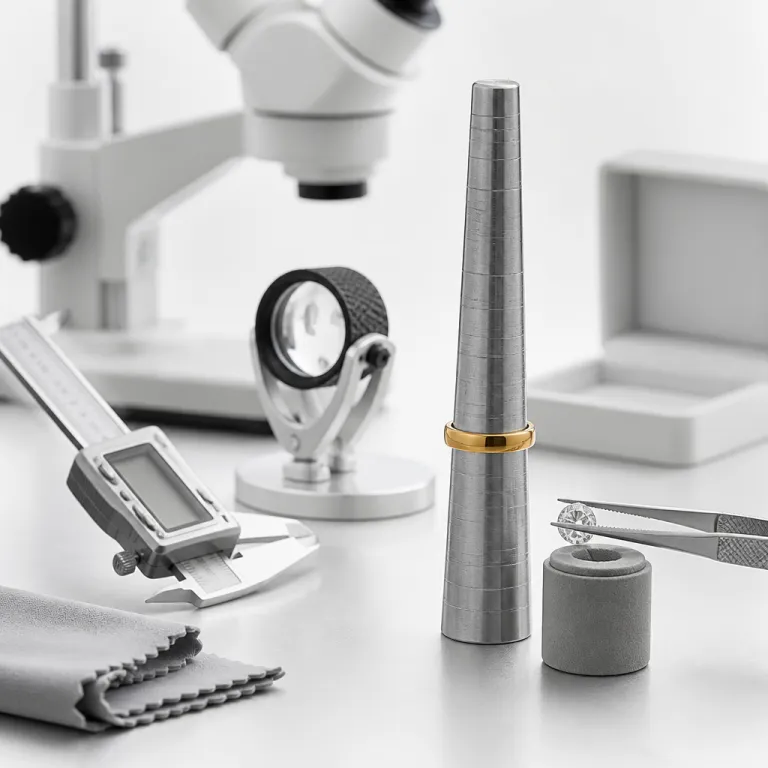
Examine the underside of rings and bracelets : a well made piece has smooth gallery work, clean solder joins, and prongs that fully protect the gemstones without excess metal. Clasps on necklaces and bracelets should close with a confident click, and safety catches should feel secure rather than decorative, because these details determine whether your investment jewelry survives decades of daily use. When you are buying with the next generation in mind, ask your jeweler to show you the piece under magnification and explain each construction choice in plain language.
Certifications also play a crucial role in any serious jewelry investment strategy, especially for high value diamonds and colored stones. Independent grading from laboratories such as GIA or AGS provides objective data on cut, color, clarity, and carat, which supports both current pricing and future resale conversations in the market. Industry studies suggest that diamonds accompanied by respected grading reports can achieve resale prices 10–20% higher than comparable uncertified stones, because certificates anchor the quality discussion in measurable facts rather than marketing adjectives.
Ethical considerations now sit alongside technical ones when assessing high quality fine jewelry as a worthwhile investment. Collectors increasingly look for transparent sourcing of materials and responsible mining of precious metals and gemstones, because these factors influence both personal values and future demand. Reports on the luxury sector from firms such as Bain & Company note that younger buyers are more likely to favor brands with clear traceability and sustainability commitments, and that shift is already reshaping what the market considers truly fine pieces that will appreciate time rather than face reputational risk.
Emotion, wearability, and the real return on jewelry investment
The final layer of any heirloom focused strategy is the least quantifiable yet often the most decisive : emotional significance. A modest gold band worn every day for decades can hold more family wealth in memory than a large diamond that never leaves the safe. Jewelry only becomes a true heirloom when someone reaches for it instinctively, not just reverently.
Ask yourself three questions before committing to any major jewelry purchase : will I still want to wear this piece in ten years, would someone I love plausibly wear it after me, and does the construction quality justify the price over its expected lifespan. If you cannot imagine the piece moving naturally from your hand to a daughter, niece, or godchild without a costume change, it may be more fashion than legacy. A lasting investment in fine jewelry balances your current style with enough neutrality that it can adapt to another woman’s wardrobe and another era’s silhouettes.
Think about how the piece will function in your actual life as a style conscious professional who moves between meetings and evening events. An engagement ring with a low set center stone and protective bezel might be a better long term choice than a high cathedral setting if you type constantly or work with your hands, because pieces that snag or bruise will quietly migrate to the drawer. The most successful long term strategy focuses on high quality jewelry that you can wear often enough for it to absorb your gestures, your perfume, and your stories.
Over time, this daily intimacy is what allows certain gold bangles, diamond studs, or a favorite pendant to appreciate time in ways that balance financial and emotional returns. Resale value in the market is one measure of wealth, but the ability of a piece to anchor family rituals, mark milestones, and comfort its wearer is another, equally serious one. In the end, the heirloom test is simple : not the carat count, but the fire in the stone and the life it has lived with you.
Building a coherent collection that can be passed on
Thinking in terms of a collection rather than isolated purchases helps you apply the heirloom test consistently. A coherent group of fine jewelry pieces, built slowly with intention, often holds its value and its emotional significance better than a scattered assortment of impulse buys. You are curating a wearable archive of your life, not stocking a display case.
Start by defining two or three anchor categories that suit your lifestyle : perhaps one significant engagement ring or right hand ring, one everyday bracelet or watch, and one signature pair of earrings in precious metals and diamonds or colored gemstones. Around these anchors, you can add smaller pieces in gold, platinum, or other high quality metals that echo the same design language, whether that is clean lines, architectural forms, or soft organic curves. This approach to quality ensures that each new jewel strengthens the whole, making the collection more attractive for future heirs and, if needed, for resale.
As you build, keep basic portfolio logic in mind, much as you would with real estate or other long term assets. Balance statement pieces with understated ones, mix different materials while maintaining a core of precious metals, and avoid over concentrating in a single trend that might age poorly. When you view each acquisition through both a jewelry investment lens and a family narrative lens, you naturally favor enduring designs that can move gracefully across generations.
Finally, document your collection so that its stories do not vanish when pieces change hands over time. Keep copies of certifications, appraisals, and purchase receipts alongside short notes about why each piece mattered at the moment of acquisition, whether it marked a promotion, a move, or a private victory. That context quietly transforms high quality objects into heirlooms, turning a simple piece of gold into a worthwhile investment in memory, identity, and shared wealth.
FAQ
How can I tell if a piece of jewelry is a good long term investment
Look at three factors : material quality, construction, and design permanence. Precious metals such as gold and platinum, well cut diamonds or durable gemstones, and solid craftsmanship create a baseline of value. If the design would have looked appropriate decades ago and still feels modern today, it is more likely to hold both emotional and financial value over time.
Are certifications essential for heirloom quality jewelry
Certifications are most important for higher value diamonds and colored gemstones, because they document key characteristics that affect pricing and resale. A grading report from a respected laboratory such as GIA or AGS supports transparency and trust in the stone. For lower value pieces, strong craftsmanship and reputable sourcing can matter more than formal paperwork.
Which metals are best for jewelry I plan to wear every day
For rings and bracelets that see heavy wear, 18 karat gold and platinum are reliable choices. Platinum is especially good for prongs and settings that hold important stones, while gold offers warmth and versatility in color. Very high karat gold can be softer, so it may be better suited to pieces that are not exposed to constant impact.
How should I balance emotional significance and resale value
Start by buying pieces you genuinely want to wear often, because frequent wear builds emotional significance naturally. Within that, favor high quality materials and timeless designs so that the jewelry also retains appeal in the broader market. This way, you preserve optionality : the piece can stay in the family or be sold without regret if circumstances change.
What questions should I ask before purchasing a potential heirloom
Ask how the piece is constructed, which metals and gemstones are used, and whether there are any certifications for key stones. Then ask yourself whether you can see it fitting your daily life and whether someone in your family would plausibly wear it after you. If the answers are strong on both the technical and emotional sides, the piece is more likely to become a lasting heirloom.