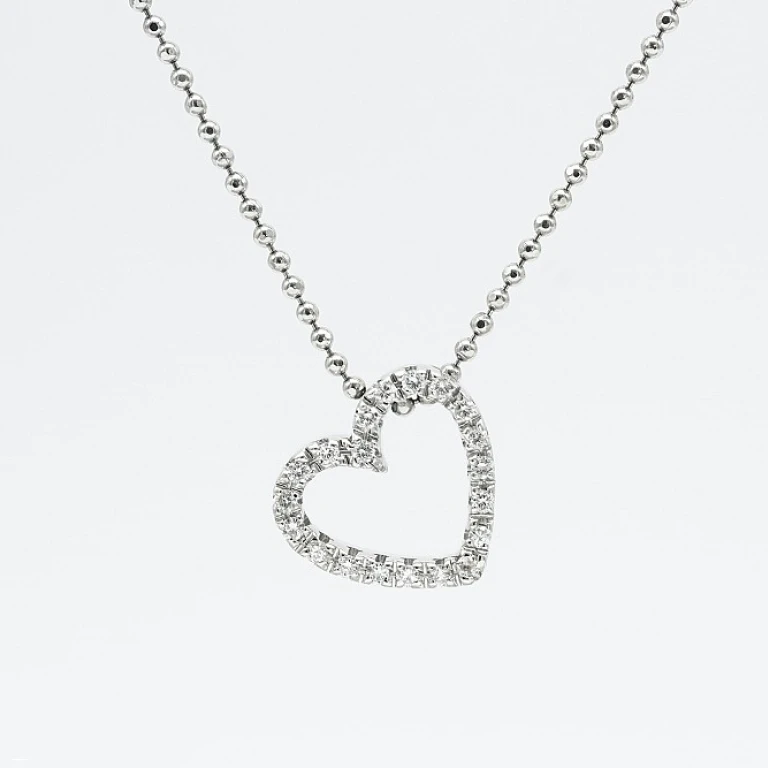
Understanding the meaning of ethical fine jewelry
What Sets Ethical Fine Jewelry Apart?
Ethical fine jewelry is more than a trend; it represents a conscious shift in the industry toward responsible sourcing, transparent production, and mindful consumption. At its core, ethical fine jewelry aims to minimize harm—socially, environmentally, and economically—throughout the entire supply chain. This means prioritizing conflict-free gemstones, fair labor practices, and sustainable materials, all while maintaining the exceptional quality and artistry that define fine jewelry.
Key Principles Behind Ethical Choices
- Responsible sourcing: Ethical jewelers seek out materials, such as gold and diamonds, from mines and suppliers that uphold strict environmental and human rights standards.
- Transparency: Brands committed to ethical practices provide clear information about their sourcing and production processes, helping customers make informed decisions.
- Environmental stewardship: Reducing the ecological footprint is a priority, whether through recycled metals, lab-grown diamonds, or supporting initiatives that restore mining-affected areas.
- Fair labor: Ensuring safe working conditions and fair wages for artisans and miners is fundamental to ethical jewelry.
Consumers are increasingly aware of these values, and their choices reflect a desire for jewelry that tells a story of integrity. For those interested in the artistry and craftsmanship of ethical fine jewelry, exploring the allure of diamond-studded Cuban link bracelets can offer insight into how modern design meets responsible sourcing.
As the industry evolves, the meaning of ethical fine jewelry continues to expand, touching on issues of certification, transparency, and the delicate balance between aesthetics and ethics. These factors are shaping the future of fine jewelry ownership, making it essential for brands and buyers alike to stay informed and engaged.
Challenges unique to ethical sourcing in fine jewelry
Complexities in Tracing Precious Materials
Ethical fine jewelry faces unique challenges, especially when it comes to sourcing precious materials like gold, diamonds, and gemstones. Unlike other industries, the supply chain for these materials often spans multiple countries and involves numerous intermediaries. This complexity makes it difficult to guarantee that every step meets ethical standards, such as fair labor practices and environmentally responsible mining.
Risks of Unverified Supply Chains
One of the main hurdles is the risk of unverified or opaque supply chains. Without full transparency, it is hard to ensure that materials are not linked to conflict zones or exploitative labor. Even with growing consumer demand for ethical fine jewelry, some suppliers may still lack the infrastructure or motivation to provide clear documentation. This can undermine trust and make it harder for brands to prove their commitment to ethical sourcing.
- Traceability: Tracking the journey of each gemstone or metal from mine to market is a major challenge.
- Certification gaps: Not all mines or suppliers are certified, and some certifications vary in rigor.
- Cost implications: Ethical sourcing often increases production costs, which can affect pricing and accessibility.
Balancing Rarity and Responsibility
Fine jewelry is prized for its rarity and beauty, but these qualities can sometimes conflict with ethical goals. Sourcing rare materials ethically may limit availability or require brands to seek alternative materials. This balancing act is a central concern for fine jewelry owners who value both exclusivity and responsible practices.
For a deeper look at how unique materials add value and complexity to ethical sourcing, you can explore the unique value of AB jewelry for fine jewelry owners.
How ethical practices influence brand reputation
Why Ethical Choices Shape Customer Trust
Today’s fine jewelry owners are more discerning than ever. Ethical sourcing is no longer a niche concern; it’s a core expectation. When a brand commits to responsible practices, it signals respect for both people and the planet. This commitment is not just about sourcing conflict-free diamonds or recycled gold. It’s about transparency throughout the supply chain, from mine to market.
Brands that prioritize ethical fine jewelry often see a direct impact on their reputation. Customers are increasingly aware of issues like fair labor, environmental stewardship, and traceability. When these values are communicated clearly, they foster trust and loyalty. According to a McKinsey report, over 60% of luxury consumers consider sustainability when making a purchase decision.
- Transparency in sourcing and manufacturing reassures buyers about the origins of their pieces.
- Clear ethical standards help brands stand out in a crowded market.
- Responsible practices reduce the risk of negative publicity linked to unethical supply chains.
Fine jewelry owners are also looking for evidence of these commitments. Certifications and third-party audits, which are discussed further in another section, play a crucial role. But the foundation is built on honest communication and visible action.
For example, brands that highlight the story behind their materials or artisanship—such as the journey of a 925 sterling bracelet—create a deeper connection with their audience. To explore how these narratives enhance desirability and trust, see the allure of 925 sterling bracelets.
Ultimately, ethical fine jewelry is about more than aesthetics. It’s a statement of values that resonates with modern buyers, shaping not just what they purchase, but why they remain loyal to a brand.
The role of certifications and transparency
Why Third-Party Certifications Matter
For fine jewelry owners, trust is everything. Certifications from independent organizations, such as the Responsible Jewellery Council (RJC) or the Kimberley Process, serve as proof that a piece meets strict ethical and environmental standards. These certifications help verify the origin of precious metals and gemstones, ensuring they are sourced responsibly and without contributing to conflict or exploitation. While not all certifications are created equal, reputable ones provide a layer of assurance that supports both consumer confidence and industry accountability.
Transparency: The New Standard in Fine Jewelry
Transparency has become a cornerstone of ethical fine jewelry. Brands are increasingly expected to disclose their sourcing practices, supply chain partners, and even the journey of each gemstone or metal. This shift is driven by consumer demand for authenticity and accountability. When brands openly share information about their sourcing and production, it allows owners to make informed decisions and fosters a deeper connection with their jewelry.
- Traceability: Knowing where each component comes from helps prevent unethical practices and supports responsible mining communities.
- Supply Chain Audits: Regular third-party audits ensure compliance with ethical standards and highlight areas for improvement.
- Clear Labeling: Transparent labeling on packaging and certificates makes it easier for owners to understand the ethical credentials of their jewelry.
Building Trust Through Documentation
For those investing in fine jewelry, documentation is more than paperwork—it’s a guarantee of value and integrity. Certificates, audit reports, and detailed provenance records are essential for verifying ethical claims. They also play a crucial role in resale value and insurance. Owners should always request and keep these documents, as they provide peace of mind and support the long-term value of their collection.
Balancing aesthetics, rarity, and ethics
Finding Harmony Between Beauty and Responsibility
Fine jewelry has always been a celebration of beauty, rarity, and craftsmanship. Today, ethical fine jewelry adds another dimension—responsibility. For owners and collectors, the challenge is to enjoy exquisite pieces while ensuring that their choices reflect values like sustainability and fair labor. This balance is not always straightforward, but it is increasingly possible thanks to advances in sourcing and design.
- Design Innovation: Ethical jewelers are reimagining classic styles using responsibly sourced gemstones and recycled metals. This approach allows for stunning aesthetics without compromising on environmental or social standards.
- Material Selection: The rarity of certain gemstones or metals can make ethical sourcing complex. However, alternatives like lab-grown diamonds and recycled gold are gaining popularity, offering both beauty and a reduced environmental footprint.
- Transparency in Craftsmanship: Owners now expect to know the origin of their jewelry components. Brands that provide clear sourcing information and traceability are more likely to earn trust and loyalty.
While some may worry that ethical practices limit creative freedom or the allure of exclusivity, the reality is that responsible sourcing can enhance a piece’s story and value. Ethical fine jewelry proves that elegance and conscience can coexist, making each piece not just a statement of style, but also of integrity.
Long-term value and investment in ethical fine jewelry
Why Ethical Fine Jewelry Holds Its Value
When considering fine jewelry as an investment, ethical sourcing adds a new dimension to long-term value. Traditional factors like craftsmanship, rarity, and material quality remain important, but ethical practices now play a growing role in how pieces are valued over time.
- Market Demand: Consumers are increasingly seeking transparency and responsibility in their purchases. Ethical fine jewelry appeals to a broader audience, which can support stronger resale value.
- Brand Trust: Brands with a proven commitment to ethical sourcing and transparency tend to build lasting trust. This reputation can positively impact the perceived and actual value of their pieces.
- Certification Impact: Third-party certifications and clear documentation of origin provide assurance for future buyers. These details can make a significant difference when it comes to resale or inheritance.
What to Look for in Ethical Investment Pieces
Not all ethical fine jewelry is created equal. For owners and collectors, it’s important to evaluate both the ethical credentials and the intrinsic qualities of each piece. Here are a few considerations:
- Material Traceability: Ensure that precious metals and gemstones come from verified sources. This supports both ethical standards and long-term confidence in the piece’s value.
- Craftsmanship: High-quality workmanship remains a cornerstone of lasting value. Ethical practices should enhance, not compromise, the artistry of the jewelry.
- Rarity and Design: Unique designs and limited editions, especially those with documented ethical origins, often retain or increase their value over time.
Ethics as a Value Multiplier
Ethical fine jewelry is more than a trend. As awareness grows, pieces with transparent sourcing and responsible production are increasingly seen as future-proof investments. Owners benefit not only from the beauty and rarity of their jewelry, but also from the assurance that their values are reflected in their collection. This alignment between ethics and aesthetics is shaping the future of fine jewelry ownership and investment.
