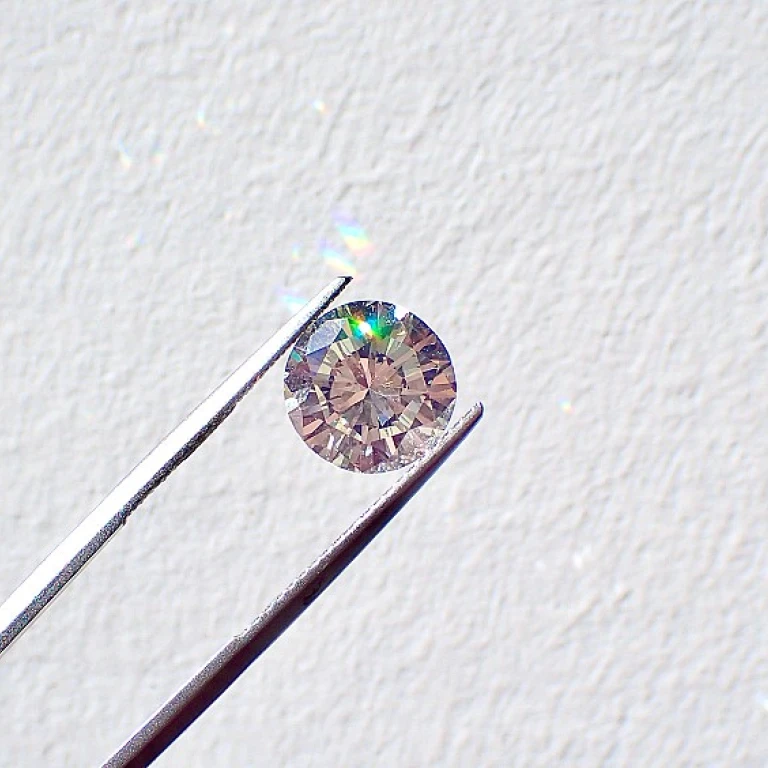
The rare allure of blue diamond rings for seasoned collectors
Blue diamond rings occupy a singular place in fine jewelry collections. When a natural blue diamond is set in a refined ring white design, the result can rival museum pieces while remaining wearable. For owners who already live with important diamonds, these blue diamonds introduce a new dimension of rarity.
A blue diamond ring is defined first by its color, then by its cut and by the harmony between stone and metal. Collectors often compare several blue diamond rings side by side, evaluating how each blue stone reacts to daylight, candlelight, and gallery lighting. This disciplined approach helps you choose between fancy blue tones, blue white nuances, and more subtle natural blue shades that only reveal their depth over time.
Because the blue color is caused by trace elements within the diamonds, every stone is unique and no two rings will ever be identical. Many owners therefore commission a bespoke engagement ring or wedding ring that highlights a single blue diamond in a solitaire or three stone set. Others prefer more architectural options, such as a wide band in black gold or yellow gold that frames multiple blue diamonds and white diamond accents for a bolder statement.
Whether you favor a round cut or a more elongated cut, the interaction between blue and white diamonds defines the overall character of the piece. A carefully balanced diamond engagement design can move effortlessly from engagement to diamond wedding celebrations, then into daily wear. Over years of ownership, these blue diamond rings become intimate markers of personal history as well as significant jewelry assets.
Color, cut, and metal: how blue diamond rings reveal their character
For experienced jewelry owners, the first assessment of blue diamond rings usually concerns color saturation and distribution. A natural blue diamond with even color across the stone will appear calm and deep, while a fancy blue diamond with zoning can feel more dramatic and alive. Both options can be compelling, but they demand different ring designs and different metals to perform at their best.
Round cut stones remain the most requested for an engagement ring or diamond ring because they maximize brilliance and mask minor inclusions. However, collectors increasingly explore elongated cuts for blue diamonds, which stretch the color along the band and create a more contemporary engagement or wedding ring profile. When several diamonds are used, alternating blue diamonds and white diamond accents in a channel set or pavé set band can create a refined rhythm of blue and white light.
Metal choice is equally strategic, especially when you already own several rings in white gold or yellow gold. A blue diamond ring in white gold emphasizes icy contrast between blue and white diamonds, while a gold blue combination in warmer alloys softens the effect. Some men rings and diamond men designs now use black gold finishes to intensify the fancy blue tone, creating a striking men band that still reads as classic jewelry rather than fashion.
Owners who curate across categories often coordinate their blue diamond rings with other gold pieces, such as a 14k gold Cuban link bracelet or heritage chains. This creates a coherent visual language where each ring, band, and bracelet speaks to the same level of craftsmanship. Over time, your engagement rings, wedding ring, and statement rings form a unified collection anchored by one or two exceptional blue diamond center stones.
Setting architecture and proportion for blue diamond rings
Once you have selected the blue diamond, the architecture of the ring determines how successfully the stone will live on the hand. A solitaire engagement ring with a single round cut blue diamond can appear minimal from a distance, yet reveal extraordinary complexity up close. In contrast, multi stone diamond rings with alternating blue diamonds and white diamond halos project their presence immediately, especially when worn as a wedding ring or right hand statement piece.
For owners with multiple rings, proportion relative to existing jewelry is crucial, particularly when stacking a blue diamond ring with a diamond wedding band. A slender white gold band with pavé diamonds can frame a larger fancy blue center stone without overwhelming it. Men rings and diamond men designs often invert this logic, using a broader band in yellow gold or black gold with a more discreet natural blue stone set flush into the surface.
Setting height also affects both aesthetics and practicality, especially for daily wear of engagement rings. A high set blue diamond engagement ring showcases the stone dramatically but may catch on fabrics, while a lower set ring white design offers better comfort. Collectors who rotate several diamond engagement pieces often commission one elevated solitaire and one more protected band, allowing them to choose according to activity and attire.
Owners who already appreciate refined metalwork may enjoy exploring related craftsmanship, such as the sculptural metal textures discussed in this article on choosing the perfect gold cross bracelet. The same attention to proportion, edge finishing, and under gallery design applies directly to blue diamond rings. When these structural details are resolved with care, the ring becomes as satisfying to handle as it is to view.
Curating blue diamond rings within an established fine jewelry collection
For seasoned collectors, adding blue diamond rings is less about acquisition and more about curating narrative and balance. Many owners already hold important white diamond engagement rings and classic diamond wedding bands in white gold or yellow gold. Introducing a blue diamond ring or several blue diamond rings allows you to shift the visual center of the collection without displacing beloved pieces.
One effective strategy is to position a natural blue solitaire as the emotional focal point, then support it with simpler rings that echo its materials. A refined band in white gold with small blue diamonds can sit beside a more substantial gold blue or black gold men band, creating a dialogue between masculine and feminine codes. Over time, these rings, bands, and men rings can be rotated to suit different occasions, from formal wedding anniversaries to more relaxed gatherings.
Collectors who favor symmetry may commission matching engagement rings and wedding ring sets that pair blue diamonds with white diamond halos. Others prefer contrast, wearing a strong fancy blue diamond ring on one hand and a classic white diamond engagement ring on the other. In both cases, the interplay between blue and white diamonds, between round and elongated cut stones, and between polished and textured metals keeps the collection visually alive.
Thoughtful owners also consider how their blue diamond rings converse with other categories of jewelry, including necklaces and bracelets. Articles such as the art and allure of golden beading in fine jewelry highlight how subtle gold details can echo the metalwork of a ring. When your diamond rings, bands, and complementary pieces share related design codes, the entire collection gains coherence and long term aesthetic value.
Care, maintenance, and long term preservation of blue diamond rings
Owners of blue diamond rings understand that rarity alone does not guarantee longevity ; disciplined care is essential. Although diamonds are exceptionally hard, the facets of a blue diamond or white diamond can still abrade against other stones if stored carelessly. Each diamond ring, whether an engagement ring, wedding ring, or occasional statement piece, deserves its own compartment or soft pouch.
Routine cleaning preserves both the brilliance of the diamonds and the intended relationship between blue and white tones. A gentle soak in lukewarm water with mild soap, followed by a soft brush around the set and under gallery, usually suffices for white gold, yellow gold, and most black gold finishes. However, owners of fancy blue or natural blue stones should consult their trusted jeweler before any ultrasonic cleaning, especially when the ring includes multiple diamonds or complex pavé work.
Professional inspections remain critical, particularly for high set solitaire engagement rings and intricate diamond wedding bands. A jeweler can verify that each stone in your blue diamond rings remains secure, that prongs on men rings and diamond men designs have not thinned, and that the band has not distorted from daily wear. This is especially important for rings that combine blue diamonds with white diamond halos, where even a slight shift can disturb the visual harmony.
Long term preservation also involves thoughtful rotation among your rings and bands, allowing more delicate engagement rings to rest while sturdier pieces take on daily duties. By alternating between a primary blue diamond engagement ring, a simpler ring white band, and perhaps a more robust gold blue or black gold design, you extend the life of each piece. Over decades, this approach protects both the emotional and financial value of your blue diamond rings and the broader jewelry collection they anchor.
Ethical sourcing, valuation, and strategic acquisition of blue diamond rings
For fine jewelry owners, the provenance of blue diamond rings is as important as their beauty. A natural blue diamond with transparent documentation commands greater confidence and often stronger long term value than comparable stones with uncertain origins. When evaluating blue diamonds or fancy blue stones, insist on detailed grading reports that address color, clarity, cut, and any treatments.
Valuation of blue diamond rings must consider not only the primary stone but also the supporting diamonds, the metal, and the overall craftsmanship. A round cut blue diamond in a meticulously finished white gold band with calibrated white diamond accents will typically outperform a similar stone in a generic setting. The same principle applies to men rings and diamond men designs, where a well balanced black gold or yellow gold band can significantly enhance perceived value.
Strategic acquisition often means waiting for the right combination of stone, setting, and price rather than reacting to the first appealing ring. Collectors may compare several engagement rings and diamond engagement designs, assessing how each blue diamond ring complements existing wedding ring and diamond wedding pieces. Over time, this disciplined approach yields a tightly edited group of diamond rings where every ring white or gold blue variation serves a clear role.
Because the market for blue diamonds is specialized, many owners work closely with a trusted jeweler or advisor who understands both jewelry aesthetics and investment dynamics. This partnership helps you choose between solitaire and multi stone options, between natural blue and more vivid fancy blue tones, and between classic and avant garde bands. With careful sourcing and informed valuation, your blue diamond rings can function simultaneously as deeply personal jewels and as resilient assets within a sophisticated collection.
Key statistics on blue diamond rings and fine jewelry ownership
- Include here quantitative data on the proportion of colored diamonds within global diamond production, highlighting how rare natural blue stones are compared with white diamonds.
- Mention the typical premium range that blue diamond rings command over comparable white diamond rings of similar cut and clarity in the high jewelry market.
- Indicate the average carat weight preferred for blue diamond engagement rings among established collectors, compared with classic diamond engagement preferences.
- Note the percentage of fine jewelry owners who now request ethical sourcing documentation for diamonds, including blue diamonds and fancy blue stones.
- Highlight how often collectors professionally service their diamond rings and wedding ring sets, emphasizing best practices for long term preservation.
Expert answers to common questions about blue diamond rings
Are blue diamond rings suitable for everyday wear
Blue diamond rings can be worn daily when the setting and band are engineered for durability. A low to medium set blue diamond engagement ring in white gold or yellow gold with protected prongs usually withstands regular use. Owners with very active lifestyles may reserve more delicate diamond rings and fancy blue solitaires for selected occasions.
How should I choose between natural blue and fancy blue diamonds
Natural blue diamonds typically show more subtle, nuanced color, while fancy blue diamonds often present stronger saturation and visual drama. Your choice should reflect how the ring will sit within your existing jewelry, including white diamond engagement rings and diamond wedding bands. Collectors who favor understatement often lean toward natural blue stones, while those seeking a statement ring may prefer vivid fancy blue options.
Which metal works best for enhancing the color of blue diamonds
White gold and platinum emphasize contrast, making blue diamonds and white diamond accents appear crisp and bright. Yellow gold and some black gold finishes warm the overall effect, creating a richer gold blue dialogue that many men rings and diamond men designs exploit. The ideal choice depends on your skin tone, your other rings, and whether the blue diamond ring will be worn as an engagement ring, wedding ring, or occasional statement piece.
Can blue diamond rings be resized without risk
Most blue diamond rings can be resized safely by an experienced jeweler, especially when the band is relatively simple. Complex pavé set designs with many diamonds around the band, including some men rings, may require more careful work or alternative solutions. Always request that the jeweler inspect prongs and stone security after any resizing, particularly for high value blue diamond engagement rings.
How do blue diamond rings fit into a broader fine jewelry investment strategy
Blue diamond rings can serve as focused, high impact assets within a diversified jewelry portfolio. When combined with classic white diamond engagement rings, diamond wedding bands, and select colored stones, they provide both aesthetic variety and potential value resilience. The key is disciplined acquisition, strong documentation, and regular professional care for every ring and band in the collection.
Trustful expert sources
- Gemological Institute of America (GIA)
- American Gem Society (AGS)
- International Gemological Institute (IGI)
