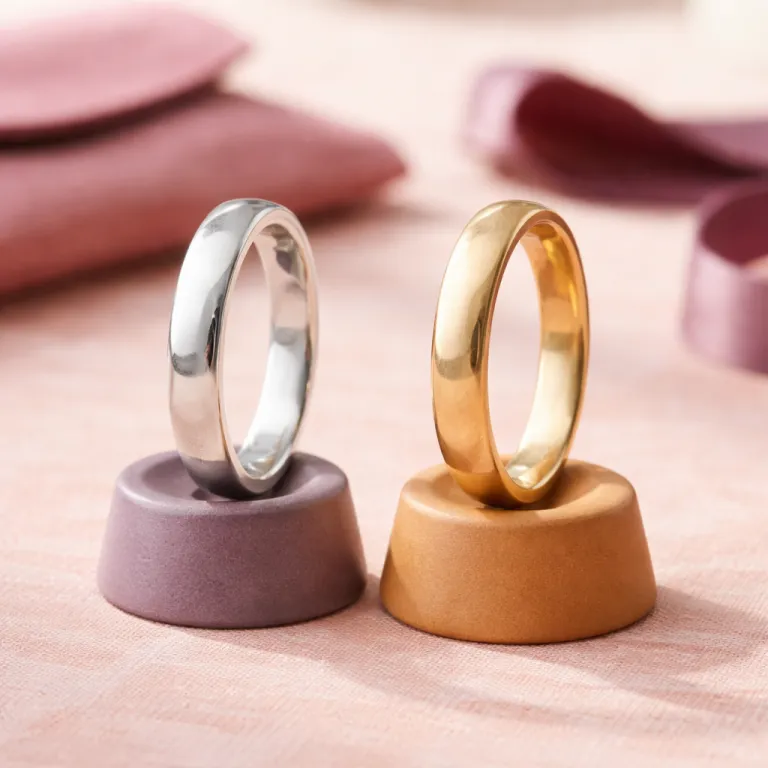
What gold vs platinum jewelry really means on your skin
When you weigh gold vs platinum jewelry, you are not just choosing a color. You are deciding how each precious metal will age on your skin, how your favorite ring or rings will feel on the hand, and how that quiet sense of authority reads in a boardroom or at a wedding. The right metal choice turns a single diamond ring or a suite of engagement rings and wedding rings into a coherent jewelry wardrobe that still feels modern after decades of wear.
Gold is an alloy, never entirely pure gold, because pure gold at 24 carats is too soft and malleable for daily jewelry. In fine jewelry you usually meet 18 carat gold at 75 percent pure and 14 carat gold at about 58 percent pure, with the remaining percentage made of harder metals that control color and durability. That is why yellow gold, rose gold, and white gold behave differently on the finger, even when the diamond or diamonds above them share the same cut diamond quality and lab grown or mined origin.
Platinum jewelry is usually 95 percent platinum, which makes it one of the most pure precious metal options used in engagement and wedding pieces. That high purity gives platinum white a naturally pale gray white color that does not rely on rhodium plating to mask a warmer undertone, unlike many white gold alloys. When you compare platinum alloys that include small amounts of gold or other metals in the trade, you are really comparing how much of that dense platinum metal is present versus the lighter gold content that changes both weight and feel.
On the Mohs scale of mineral hardness, pure gold and pure platinum both sit around 4–4.5, while common jewelry alloys fall in the 3–4.5 range, but they respond to wear in different ways. A scratch in gold removes metal, which means your gold jewelry slowly loses material over years of wear and polishing, while a scratch in platinum mainly displaces metal and creates a patina that can be burnished back without significant loss. This is why a diamond platinum engagement ring can look softly worn but structurally intact after long daily wear, whereas a similar gold yellow engagement ring might need more frequent reshaping and tightening around a large lab diamond or natural stone.
Color is the other quiet but decisive factor in gold vs platinum jewelry, especially for a style conscious professional building a coherent collection. Yellow gold and rose gold bring warmth that flatters many skin tones and can make a white cut diamond appear slightly softer, while platinum white and very cool white gold emphasize the icy brightness of colorless diamonds. If you prefer lab grown diamonds with high color grades, platinum jewelry or very pale white gold will underline that precision, whereas a classic yellow gold diamond ring leans into contrast and vintage charm.
Sources: World Gold Council; Platinum Guild International; GIA educational materials on precious metal alloys, hardness, and wear behavior.
Scratches, patina, and rhodium plating over 20 years of wear
What really separates gold vs platinum jewelry is not the first year, but the twentieth. Over time, every engagement ring, wedding band, and diamond ring in your rotation will collect micro scratches from keyboards, handbags, and the casual impact of daily life, and the way each metal responds to that friction determines your maintenance routine. Understanding how gold, platinum, and their alloys behave lets you plan refinishing instead of reacting to damage.
When gold scratches, tiny particles of the metal are removed, especially in softer high carat yellow gold and rose gold alloys. That loss is invisible in the short term, yet over many polishings a gold jewelry shank can thin, prongs around diamonds can wear down, and the structural integrity of delicate rings can be compromised. Bench jewelers often see vintage engagement rings in traditional gold alloys that have been over polished, leaving diamond settings fragile just when sentimental value is highest.
Platinum behaves differently because it displaces rather than loses most metal when scratched. The surface of platinum jewelry develops a satiny patina as the metal is pushed around, which many collectors appreciate as a sign of life and wear, and which can be brightened with a simple buff rather than aggressive polishing. This is why a diamond platinum engagement ring or wedding band can be refinished many times with minimal loss of precious metal, even when the ring has been worn daily beside a stack of other metals.
White gold introduces another layer to the gold vs platinum jewelry decision, because its apparent color often comes from rhodium plating. Most commercial white gold alloys have a slightly yellow or gray base, so they are coated with rhodium, a bright white precious metal, to achieve that crisp platinum white look, and this rhodium plating gradually wears away on palms and edges. Expect to reapply rhodium plating roughly every one to three years on a frequently worn engagement ring or wedding rings, which adds both cost and downtime for your favorite pieces.
If you love a cool white metal look but dislike maintenance, platinum jewelry offers stable color without plating, while higher nickel content white gold alloys can be a compromise if your skin tolerates them. For collectors who enjoy mixing metals, a central platinum engagement ring flanked by yellow gold and rose gold stackable bands can create a deliberate contrast that makes the central diamond ring feel more important. You can see this approach in many curated turquoise stackable rings selections, where designers play with white, yellow, and rose tones to frame colored stones and diamonds with intention.
Sources: GIA on rhodium plating and white gold; Platinum Guild International on platinum patina and refinishing.
Weight, comfort, and the real cost of ownership
On the hand, the most immediate difference in gold vs platinum jewelry is weight. Platinum has a density of about 21.4 g/cm³, while 18 carat gold averages around 15.6–16.5 g/cm³, so the same ring design in platinum feels more substantial, which some clients interpret as luxury and others as fatigue during long days at a keyboard. Your tolerance for that extra weight should guide whether you choose platinum white for a wide wedding band or reserve it for a single statement engagement ring.
Because platinum jewelry is usually 95 percent pure, you are paying for a higher proportion of precious metal in every gram. An 18 carat yellow gold or rose gold ring contains about 75 percent pure gold, while a 14 carat gold yellow band holds roughly 58 percent pure gold, with the balance made of alloy metals that add hardness and influence color. That means the ticket price of a platinum design will almost always exceed a comparable gold jewelry piece, yet the long term refinishing and rhodium plating costs can narrow that gap over decades.
From a bench jeweler’s perspective, platinum is more labor intensive to work with, which adds to the initial cost but can reduce future repair drama. Prongs in diamond platinum settings tend to bend rather than snap, giving you more warning before a cut diamond or lab diamond is at risk, while thin white gold prongs can wear away faster, especially after repeated rhodium plating and polishing. For a style conscious professional who wears the same engagement ring and wedding rings daily, that resilience can be worth the premium.
When you calculate cost per wear over twenty years, a classic solitaire engagement ring in platinum may end up comparable to one in white gold once you factor in rhodium plating, reshanking, and prong rebuilding. For pieces you wear less often, such as cocktail rings with large diamonds or lab grown colored stones, the economics tilt back toward yellow gold or rose gold, where the lighter metal and lower purity still offer excellent performance. The key is to reserve platinum jewelry for the workhorses of your collection and let gold carry the rest of your aesthetic story.
Comfort also includes how a metal feels in different climates and activities. A heavy platinum band can feel reassuring in cool weather yet slightly oppressive in heat, while a slim yellow gold or rose gold band almost disappears on the finger, which is ideal for travel or sports. For bracelets and talismans, such as a protective gold evil eye bracelet worn daily, many collectors prefer gold for its lighter feel and easier adjustability, while keeping platinum for the central diamond ring that anchors their bridal set.
Sources: World Gold Council and Platinum Guild International data on density and purity; GIA bench practice notes on prong wear and repair.
Building a coherent collection: mixing metals with intent
Once you understand the mechanics of gold vs platinum jewelry, the next question is how to orchestrate them across a wardrobe. A style conscious professional rarely wears a single ring or metal, so the goal is to make yellow gold, rose gold, white gold, and platinum jewelry converse rather than compete. Thoughtful repetition of one dominant precious metal, accented by others, creates visual harmony from boardroom to evening.
Start with your most important pieces, usually your engagement ring and wedding rings, because they set the tone for everything else. If your engagement ring is a platinum white solitaire with a round cut diamond or an elongated oval, pairing it with a platinum wedding band keeps the central stone visually cool and bright, while adding slim yellow gold or rose gold bands introduces warmth without diluting the icy effect. If your engagement ring is in yellow gold with a lab grown diamond, echo that yellow gold in earrings or a pendant so the eye reads continuity even when you add a contrasting platinum bracelet or watch.
Necklaces and earrings are forgiving spaces to experiment with metals because they rarely touch each other or suffer the same abrasion as rings. A platinum pendant with a halo of diamonds can sit comfortably beside a yellow gold chain, especially if the diamonds bridge the color difference between the metals, and lab grown stones work as well as mined ones in this role. For studs, many collectors choose platinum jewelry for the posts and settings around high value diamonds, then frame the face with yellow gold hoops or rose gold huggies for warmth.
When it comes to statement rings beyond bridal, you can be more playful with metal and color. A right hand diamond ring in rose gold with a cushion cut diamond or a lab diamond center can feel softer and more fashion forward, while a bold platinum white band with channel set diamonds reads architectural and modern, and both can coexist if you repeat one metal elsewhere in your look. Curated guides to elegant engagement rings for discerning collectors often show this interplay, pairing cool platinum with warm gold to help each metal’s character stand out.
For collectors who enjoy stacking, think of metals as you would fabrics in a wardrobe. Too many similar white metals can look flat, while alternating yellow gold, platinum, and rose gold bands around a central diamond platinum engagement ring creates rhythm and depth, especially when you vary textures from high polish to matte. Over time, this deliberate mixing lets you add new pieces without starting over, because every new ring or bracelet already has a metal ally somewhere in your existing jewelry.
Five key pieces and the smartest metal choice for each
To make gold vs platinum jewelry decisions easier, think in categories rather than individual purchases. Certain pieces work harder than others, so they justify the density, purity, and price of platinum, while others shine in gold, where color and design matter more than metal longevity. Here is how many bench jewelers and gemologists quietly advise their own friends to allocate precious metal budgets across a core collection.
First, the engagement ring is usually the best candidate for platinum jewelry, especially if it holds a significant cut diamond or high value lab diamond. Platinum’s 95 percent purity, metal displacement behavior, and stable platinum white color protect the stone over decades, and the extra weight feels appropriate for a piece that rarely leaves your finger. If you prefer the romance of yellow gold or rose gold around your diamond, consider a platinum under gallery or prongs for security, with gold yellow or pink tones on the visible surfaces.
Second, wedding rings and anniversary bands sit in constant contact with engagement rings, so they endure heavy wear. A platinum band beside a platinum engagement ring minimizes mutual abrasion, while a harder 14 carat white gold or yellow gold band can be a good partner for a more delicate 18 carat gold engagement ring, spreading wear across different metals. For eternity bands with many small diamonds, platinum alloys or full platinum settings hold pavé more securely, reducing the risk of losing stones as the years pass.
Third, everyday studs and hoops benefit from platinum posts for durability and hypoallergenic comfort, with visible parts in yellow gold or rose gold to flatter skin tone. Fourth, statement cocktail rings and fashion pieces, especially those with colored stones or lab grown gems, are ideal in gold, where you can play with white gold, yellow gold, and rose gold without paying for platinum density you do not need. Fifth, heirloom level bracelets and watches, which take heavy knocks, often justify platinum or very robust gold alloys, because a single repair on a complex diamond platinum bracelet can cost more than the initial metal upgrade.
Across all five categories, the thread is simple. Use platinum where security, color stability, and long term structure matter most, and use gold where expression, warmth, and design flexibility lead, always remembering that it is not the carat count, but the fire in the stone. Over a lifetime, that balance lets your jewelry feel both lived in and quietly impeccable, whether the diamonds are mined or lab grown and whether the metal is cool platinum white or sunlit yellow gold.
FAQ
Is platinum always better than gold for engagement rings ?
Platinum is not always better, but it is often safer for high value stones. Its 95 percent purity, metal displacement behavior, and stable platinum white color make it excellent for solitaire engagement rings and wedding rings worn daily. Gold, especially 18 carat yellow gold or rose gold, is ideal when you prioritize warmth, lighter weight, and a specific aesthetic over maximum structural longevity.
How often should white gold be replated with rhodium ?
Most white gold engagement rings and wedding bands need rhodium plating every one to three years, depending on how often they are worn and how hard you are on your hands. Areas that rub against other metals or surfaces, such as the underside of a ring, will lose rhodium faster and show a slightly warmer gold tone. If you dislike this maintenance, consider platinum jewelry or a more inherently pale white gold alloy for your most worn pieces.
Can I mix platinum and gold in the same ring stack ?
Yes, you can successfully stack platinum and gold rings, and many collectors do so intentionally. The key is to repeat each metal at least once in your overall jewelry look, so a platinum engagement ring might be flanked by yellow gold and rose gold bands, with platinum earrings or a bracelet elsewhere. Be aware that harder metals can abrade softer ones over time, so have your jeweler check the stack periodically for wear.
Is platinum too heavy for everyday wear ?
Platinum is about fifty percent denser than 18 carat gold, so the same design will feel noticeably heavier. Many people enjoy this sense of substance in an engagement ring or a key wedding band, while preferring lighter yellow gold or rose gold for larger bracelets and statement rings. If you are sensitive to weight, try on comparable designs in both metals before committing to platinum jewelry for wide or thick pieces.
Are lab grown diamonds treated differently in gold vs platinum settings ?
Lab grown diamonds can be set in gold or platinum using the same techniques as mined stones, and the choice of metal depends on the same factors of color, durability, and budget. A lab diamond in a platinum white setting will appear slightly cooler and icier, while the same stone in yellow gold or rose gold will look warmer and more vintage. The decision should follow your long term style and how the rest of your jewelry wardrobe balances metals and colors.