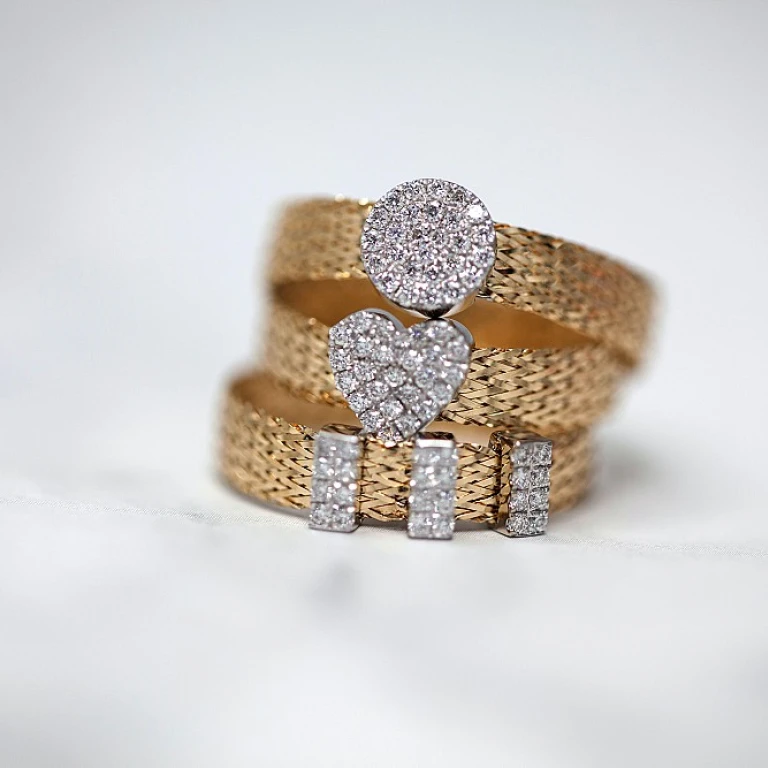
Understanding the different types of gold used in rings
Exploring Gold Variations in Fine Rings
Gold rings have captivated jewelry lovers for centuries, but not all gold is created equal. When choosing a ring, understanding the different gold variations is essential for both aesthetics and long-term value. The most common types are yellow gold, white gold, and rose gold. Each offers unique visual appeal and characteristics, making them suitable for different occasions—whether it's an engagement ring, an anniversary band, or a statement piece.
- Yellow gold: The classic choice, known for its warm, rich tone. Solid gold bands in this color are timeless and often associated with traditional wedding and engagement rings.
- White gold: Created by alloying gold with white metals like palladium or nickel, white gold offers a modern, sleek look. It's a popular alternative to platinum and pairs beautifully with diamonds or lab created stones.
- Rose gold: This variation blends gold with copper, resulting in a romantic pink hue. Rose gold rings are favored for their vintage-inspired charm and are increasingly seen in both engagement and anniversary bands.
Beyond color, gold rings can also differ in purity. The most common purities are 14k and 18k, with 24k being pure gold. Higher karat gold has a richer color but is softer, while lower karat gold is more durable for everyday wear. Some exclusive variations include online exclusive designs or limited-edition items, which may feature certified lab grown diamonds or unique band styles.
For those who appreciate versatility, sterling silver and gold combinations offer a contemporary twist. Sterling silver bands with gold accents or gold rings with sterling silver inlays are increasingly popular, especially in modern engagement and anniversary bands.
When shopping for gold rings online, always look for certified items, especially if the ring features a lab created or lab grown diamond. Certification ensures authenticity and value, which is crucial for investment pieces. For more inspiration on meaningful jewelry, explore this guide to the allure of the "I Love You" necklace, which highlights the emotional significance behind fine jewelry choices.
Understanding these gold variations will help you make informed decisions as you evaluate craftsmanship, design, and long-term care for your fine jewelry collection.
Evaluating craftsmanship and design details
What Sets Exceptional Gold Rings Apart?
When it comes to fine jewelry, the details make all the difference. Gold rings—whether yellow, white, or rose—are more than just precious metal. The artistry behind each piece, from the way the band is shaped to the setting of a lab created diamond, defines its lasting value and appeal.
- Metalwork Precision: Solid gold rings, especially those crafted in exclusive variations like rose gold or white gold, should have smooth, even surfaces. Look for seamless joints and a comfortable fit, whether it’s a classic band or an intricate engagement ring.
- Stone Setting: The way diamonds or lab grown stones are set into the ring matters. Prongs should be secure and symmetrical, holding the stone firmly without overshadowing its brilliance. Certified lab created diamonds offer both ethical sourcing and exceptional sparkle.
- Design Consistency: Whether you’re considering a ring yellow gold anniversary band or a modern online exclusive, check for symmetry in the design. Patterns, engravings, and gemstone placements should be balanced and well-executed.
- Finish and Polish: High-quality rings have a flawless finish. Matte, high-gloss, or satin—each finish should be even, with no visible scratches or dull spots. Sterling silver and gold variations, including tone gold and ring rose, should all display a consistent sheen.
Choosing Between Handcrafted and Machine-Made
Handcrafted gold rings often showcase unique design elements and subtle imperfections that add character. Machine-made items, on the other hand, offer precision and uniformity, which can be ideal for matching wedding bands or anniversary bands. Both approaches have their place in fine jewelry, depending on your preference for exclusivity or consistency.
Why Certification Matters
For rings featuring diamonds or other precious stones, always look for certified items. A certified lab grown or created diamond ensures transparency in quality and origin. This is especially important for engagement rings and investment pieces, where clarity, cut, and authenticity directly impact price and long-term value.
For more insights on pairing bands with unique engagement rings, explore this guide on choosing the perfect wedding bands for oval engagement rings.
Balancing aesthetics with investment value
Finding the Sweet Spot: Beauty Meets Value
When selecting gold rings, owners often face the challenge of balancing aesthetics with investment value. The allure of gold, whether in yellow, white, or rose tones, is timeless, but not all gold variations are created equal. Understanding the interplay between design, materials, and long-term worth is essential for making informed choices.
- Gold Purity and Variations: Solid gold rings, especially those crafted in 18K or 14K, offer a blend of durability and value. Yellow gold remains a classic, while white gold and rose gold provide modern alternatives. Each gold variation brings unique appeal and price points, so consider your personal style and the ring’s intended use—be it an engagement ring, anniversary band, or an online exclusive design.
- Design Details and Craftsmanship: The intricacy of the band, the quality of the cut, and the presence of certified lab created or lab grown diamonds all influence both the visual impact and the investment potential. Rings featuring certified lab created diamonds or exclusive variations often hold their value better, especially when paired with expert craftsmanship.
- Investment Considerations: While gold rings are cherished for their beauty, their value can fluctuate with market trends. Items crafted from solid gold or sterling silver, and those with certified stones, tend to retain value more consistently. Look for rings with proper certification and documentation, as these factors enhance both resale value and peace of mind.
- Mixing Aesthetics and Practicality: It’s possible to enjoy the brilliance of a ring gold band while also making a smart investment. For example, a ring rose gold with a lab created diamond can offer both visual appeal and ethical sourcing. Similarly, a ring yellow gold with a certified lab grown diamond balances tradition and modernity.
For those interested in exploring how gold pairs with other gemstones and styles, discover the synergy of turquoise and gold in fine jewelry. This can inspire new ways to combine exclusive variations and enhance both the look and value of your collection.
| Gold Variation | Common Uses | Investment Value |
|---|---|---|
| Yellow Gold | Classic bands, engagement rings | High, especially in solid gold |
| White Gold | Modern designs, certified items | Moderate to high |
| Rose Gold | Anniversary bands, online exclusive | Growing in popularity |
| Sterling Silver | Fashion rings, mixed metal bands | Lower, but accessible |
Ultimately, the best gold rings are those that reflect your taste while offering lasting value. By considering gold variations, certified stones, and thoughtful design, you can build a collection that stands the test of time—both in style and investment.
Caring for your gold rings to maintain their brilliance
Preserving the Shine: Practical Care for Gold Rings
Gold rings, whether yellow, white, or rose, are cherished for their enduring brilliance and beauty. To keep your ring gold looking its best, regular and mindful care is essential. Each gold variation, from solid gold to online exclusive designs, requires attention to detail to maintain its luster and value.- Routine Cleaning: Gently clean your gold rings with a soft cloth and mild soap. Avoid harsh chemicals, especially for rings featuring lab created or lab grown diamonds, as these can dull both the metal and stones.
- Safe Storage: Store each ring separately in a soft pouch or lined box to prevent scratches. This is especially important for items with intricate bands or exclusive variations, such as anniversary bands or engagement rings.
- Professional Maintenance: Schedule periodic inspections with a certified jeweler. They can check for loose settings, especially in rings with created diamond or certified lab stones, and polish the band to restore its shine.
- Avoiding Damage: Remove your gold rings before engaging in activities that could expose them to hard knocks or chemicals, such as cleaning, swimming, or gardening. Even solid gold and sterling silver bands can be affected by repeated impact or exposure.
- Special Care for Mixed Metals: If your ring combines gold with sterling silver or features a two-tone gold design, be mindful that each metal may require different cleaning methods. Consult your jeweler for guidance on caring for these exclusive variations.
Protecting Value and Sentiment
Beyond daily care, maintaining documentation for your gold rings is crucial. Keep all certificates for certified lab grown or created diamonds, as well as receipts for online exclusive or custom items. This not only supports the price and value of your jewelry but also helps in case of insurance claims. For anniversary bands, engagement rings, or any ring rose or ring yellow gold, proper care ensures your investment retains both its brilliance and emotional significance for years to come.Navigating insurance and certification for fine jewelry
Why Certification and Insurance Matter for Gold Rings
When investing in gold rings—whether it’s a classic yellow gold band, a contemporary white gold engagement ring, or an exclusive rose gold anniversary band—protecting your items is essential. Certification and insurance are two pillars that help safeguard both the emotional and financial value of your fine jewelry.- Certification: Always look for rings that are certified by reputable labs. A certified lab ensures that the gold variations, diamonds (including lab created or lab grown), and other gemstones meet strict quality standards. For example, a certified lab grown diamond in a solid gold setting offers transparency about its origin and cut, which can impact both price and resale value.
- Insurance: Insuring your gold rings—be it a sterling silver-accented engagement ring or a solid gold anniversary band—protects against loss, theft, or damage. Insurance companies typically require proof of purchase, certification, and a recent appraisal. This is especially important for exclusive variations or online exclusive items, where replacement may be difficult.
What to Look for in Certification
- Gold Purity: Certification should specify the gold content, such as 18k yellow gold, 14k white gold, or 10k rose gold. This helps distinguish between solid gold, gold tone, and gold plated items.
- Gemstone Details: For rings featuring diamonds or other stones, the certificate should detail whether the stone is natural, lab created, or lab grown, along with its cut, clarity, and carat weight.
- Origin and Authenticity: Especially for lab created or grown diamonds, certification from a recognized lab provides assurance of ethical sourcing and quality.
Tips for Securing Your Investment
- Request certification for all gold rings, including those with unique gold variations or sterling silver accents.
- Have your rings appraised regularly to keep insurance coverage up to date, especially if you own online exclusive or anniversary band designs.
- Store digital and physical copies of all certificates and insurance documents in a secure place.
Spotting trends and timeless styles in gold rings
Recognizing Enduring Styles and Modern Influences
Gold rings have always been a symbol of elegance, but the landscape of design is constantly evolving. Whether you are considering a classic yellow gold band or exploring more exclusive variations like rose gold or white gold, understanding what makes a style timeless versus trendy can help you make informed decisions for your collection.
- Classic Bands: Solid gold bands, especially in yellow gold, remain a staple for both engagement rings and anniversary bands. Their simplicity and versatility ensure they never go out of style.
- Modern Touches: Lab created and lab grown diamonds are increasingly popular, offering ethical and certified options for those seeking both beauty and responsibility. Pairing these with gold variations like rose or white gold creates a contemporary yet lasting appeal.
- Mixed Metals: Combining gold with sterling silver or opting for two-tone gold rings introduces a fresh look while maintaining a connection to tradition. These items are often seen in online exclusive collections, reflecting both innovation and heritage.
- Unique Cuts and Settings: The cut of a diamond or the design of a band can transform a ring from ordinary to extraordinary. Look for certified lab created diamonds or exclusive variations in cut and setting for a personalized touch.
- Anniversary and Engagement Trends: While solitaire engagement rings in white gold or yellow gold are timeless, halo settings and anniversary bands with intricate detailing are gaining popularity. These styles balance investment value with aesthetic appeal.
Staying informed about trends and recognizing what endures will help you curate a collection that reflects both your personal taste and the lasting value of fine jewelry. Whether you prefer a ring rose gold, a ring yellow gold, or a sterling silver accent, the key is to select pieces that resonate with your style and stand the test of time.
