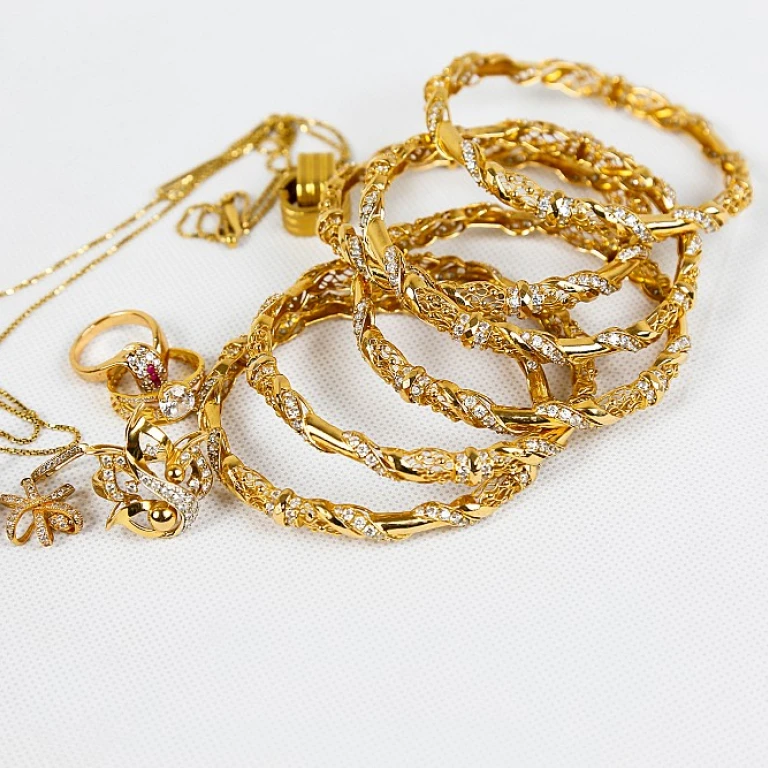
Understanding the allure of antique pearl engagement rings
Why Vintage Pearl Engagement Rings Stand Out
Vintage pearl engagement rings have a unique allure that sets them apart in the world of fine jewelry. The combination of natural pearls and antique settings, often crafted in yellow gold, white gold, or rose gold, creates a sense of timeless elegance. Unlike modern designs, these rings reflect the artistry and values of past eras, from the intricate details of Victorian and Edwardian periods to the geometric lines of Art Deco styles.
Collectors and jewelry enthusiasts are drawn to the subtle glow of natural pearls, which offer a softer, more organic look compared to the brilliance of a cut diamond. The presence of seed pearls, cluster ring arrangements, or a single pearl surrounded by diamonds adds to the charm and sophistication of these pieces. Each vintage ring tells a story, making it not just an engagement ring, but a piece of history.
- Material variety: Antique rings often feature yellow gold, white gold, or gold plated settings, enhancing the beauty of the pearl and any accompanying diamonds.
- Design diversity: From the ornate motifs of antique Victorian rings to the streamlined elegance of Art Deco, there is a style for every taste.
- Symbolic value: Pearls have long symbolized purity and enduring love, making them a meaningful choice for engagement rings.
For those considering a pearl engagement ring, understanding the value and provenance of vintage pieces is crucial. The price of antique pearl rings can vary widely based on factors such as the quality of the natural pearl, the craftsmanship of the setting, and the presence of additional stones like diamonds. Many reputable jewelers offer free shipping and detailed documentation to ensure authenticity and peace of mind.
Whether you are searching for a pearl diamond ring, a cluster ring with seed pearls, or a classic stone ring in yellow gold, vintage rings offer a refined alternative to contemporary designs. For more inspiration on how to incorporate timeless jewelry into your collection, explore this guide on elevating your style with the timeless Cuban ring.
How to identify authentic antique pearls
Spotting Genuine Antique Pearls in Engagement Rings
When it comes to vintage pearl engagement rings, authenticity is everything. Discerning natural pearls from cultured or imitation varieties is essential for any fine jewelry owner, especially when evaluating antique or Victorian-era pieces. The value, beauty, and longevity of your pearl ring depend on understanding what makes a pearl truly antique and natural.
- Natural vs. Cultured Pearls: Antique rings, especially those from the Edwardian or Art Deco periods, often feature natural pearls. These pearls form without human intervention and are rare, making them highly prized in the fine jewelry market. Cultured pearls, introduced in the early 20th century, are more common in later vintage rings.
- Surface and Luster: Examine the pearl’s surface under magnification. Natural pearls tend to have subtle irregularities and a deep, layered luster. Uniformity and a glassy shine may indicate a cultured or imitation pearl.
- Drill Holes and Mountings: Antique pearl settings, especially in yellow gold or rose gold, often have smaller drill holes compared to modern rings. Look for signs of age around the setting—patina on gold, or wear on the pearl’s nacre.
- Cluster and Seed Pearl Designs: Victorian and Edwardian rings frequently feature seed pearls in cluster ring arrangements. Authentic antique seed pearls are usually natural and can be identified by their slightly off-round shapes and subtle color variations, from white to creamy yellow.
- Accompanying Stones: Pearl diamond combinations are a hallmark of antique engagement rings. The cut diamond styles—such as old mine or rose cut—can help date the ring and confirm its authenticity.
For those seeking further expertise, consulting a certified gemologist or a reputable jewelry appraiser is recommended. They use advanced techniques, like X-ray or spectroscopy, to confirm if a pearl is natural or cultured. This is especially important when considering the price and provenance of a ring antique or vintage ring.
Shipping and provenance documents can also provide clues. Authentic antique jewelry often comes with documentation or provenance, which can help verify the age and origin of both the pearl and the ring setting.
For more insights on distinguishing fine jewelry pieces and elevating your collection, explore this guide on refined jewelry choices.
The craftsmanship behind antique pearl settings
Masterful Settings: The Artistry Behind Antique Pearl Rings
The enduring appeal of vintage pearl engagement rings is deeply rooted in their exceptional craftsmanship. Each antique ring tells a story, not only through its natural pearl centerpiece but also in the meticulous way it is set and adorned. Unlike modern mass-produced jewelry, these rings often feature hand-fabricated settings that highlight the unique character of every pearl and diamond. Antique pearl rings from the Victorian, Edwardian, and Art Deco eras showcase a range of techniques and materials:- Victorian era: Yellow gold was the metal of choice, often paired with seed pearls and rose-cut diamonds. Cluster ring designs were popular, with pearls arranged in floral motifs or surrounded by a halo of small diamonds.
- Edwardian period: White gold and platinum became more prevalent, allowing for intricate filigree work. Natural pearls were set alongside old-cut diamonds, creating delicate, lace-like patterns that emphasized elegance and lightness.
- Art Deco style: Geometric lines and bold contrasts defined this era. Pearl diamond combinations were set in both white and yellow gold, with accent stones like sapphires or emeralds adding color and drama to the engagement ring.
- Look for hand-engraved patterns or milgrain edges, which signal authentic period craftsmanship.
- Check the integrity of the gold or platinum setting, as well as the security of the pearl and any accent stones.
- Consider the overall harmony between the pearl, diamonds, and metal—true antique rings balance these elements beautifully.
Caring for and preserving antique pearl rings
Essential Steps for Maintaining Antique Pearl Rings
Caring for a vintage pearl engagement ring is crucial to preserving its beauty and value. Antique pearls, especially natural pearls set in yellow gold, white gold, or rose gold, require special attention due to their delicate nature and the unique craftsmanship of their settings.- Gentle Cleaning: Always clean pearl rings with a soft, damp cloth. Avoid harsh chemicals or ultrasonic cleaners, as these can damage both the pearl and the antique gold or gold plated settings. Mild soap and lukewarm water are safe, but ensure the ring is dried thoroughly.
- Proper Storage: Store your pearl engagement ring separately from other jewelry, especially diamond rings or cluster rings, to prevent scratches. A soft pouch or a lined jewelry box works best for vintage rings.
- Avoiding Exposure: Pearls are sensitive to acids, perfumes, and cosmetics. Always put on your pearl diamond ring after applying makeup or perfume. Remove your ring before swimming or showering to protect both the natural pearl and the antique setting.
- Regular Inspections: Have your ring antique checked by a professional jeweler at least once a year. This ensures the pearl, diamonds, and gold settings remain secure, especially in intricate Victorian or Edwardian designs.
Preservation Tips for Longevity
- Restringing Seed Pearls: If your vintage ring features seed pearl clusters, periodic restringing may be necessary. Over time, threads can weaken, risking loss of pearls.
- Protecting the Luster: Natural pearls can lose their luster if not worn regularly, as skin oils help maintain their shine. However, balance is key—excessive exposure to sweat or chemicals can cause damage.
- Shipping and Handling: When sending your pearl engagement ring for repair or appraisal, choose insured shipping with free shipping options if available. Ensure the ring is securely packaged to prevent movement and impact during transit.
Why Proper Care Matters in the Fine Jewelry Market
Maintaining your antique Victorian or Art Deco pearl ring not only preserves its aesthetic appeal but also its market value. Well-cared-for rings with original natural pearls and cut diamonds command higher prices and are more attractive to collectors. Proper documentation and regular maintenance can make a significant difference when evaluating provenance or considering future sales. By following these care guidelines, you ensure your vintage pearl engagement ring remains a cherished piece of jewelry art for generations.Evaluating value and provenance in the fine jewelry market
Key Factors Influencing Value and Provenance
Vintage pearl engagement rings are prized for their rarity, history, and artistry. When evaluating these antique treasures, several elements come into play that directly affect their price and desirability in the fine jewelry market.- Type of Pearl: Natural pearls, especially those found in antique Victorian or Edwardian rings, command higher values compared to cultured or seed pearls. The rarity of natural pearls, their luster, and surface quality are critical.
- Setting and Materials: The use of yellow gold, white gold, or rose gold, as well as the presence of cut diamonds or other gemstones, can significantly enhance the value. Art Deco and cluster ring designs with intricate settings are especially sought after.
- Craftsmanship and Era: Rings from specific periods, such as Victorian, Edwardian, or Art Deco, are often more valuable due to their unique craftsmanship and historical context. The artistry behind each ring antique piece adds to its provenance.
- Condition and Authenticity: The overall condition of the pearl ring, including the integrity of the pearl, diamond accents, and gold setting, is crucial. Authentic antique rings with minimal restoration retain higher value.
- Documentation and Provenance: Detailed records, such as original receipts, maker’s marks, or certificates, help establish the ring’s history and authenticity. Provenance can elevate a vintage ring’s status among collectors and buyers.
Market Trends and Pricing Insights
The price of antique pearl engagement rings fluctuates based on demand, rarity, and the quality of materials. For example, a natural pearl diamond ring in yellow gold from the Victorian era may fetch a premium, especially if it features free shipping and is accompanied by documentation. Cluster rings and pearl diamond combinations in white gold or gold plated settings are also popular among collectors.| Era | Common Materials | Typical Price Range | Desirable Features |
|---|---|---|---|
| Victorian | Yellow gold, natural pearls, seed pearl, diamonds | $2,000 – $10,000+ | Handcrafted settings, provenance, cluster ring design |
| Edwardian | Platinum, white gold, pearl diamond | $3,000 – $12,000+ | Filigree work, natural pearls, cut diamond accents |
| Art Deco | White gold, platinum, pearls, diamonds | $2,500 – $15,000+ | Geometric designs, bold settings, stone ring combinations |
What Collectors and Buyers Should Consider
When purchasing a vintage pearl engagement ring, consider the balance between aesthetic appeal, historical significance, and investment potential. Authenticity checks, careful evaluation of pearls and diamonds, and understanding the era’s typical materials—such as yellow gold or gold plated settings—are essential. Free shipping offers and transparent documentation can also add value for buyers in today’s jewelry market. For those looking to preserve both the beauty and value of their antique jewelry, ongoing care and ethical restoration practices are equally important, ensuring these timeless pieces remain cherished for generations.Navigating restoration and ethical considerations
Restoration: Balancing Preservation and Authenticity
Restoring a vintage pearl engagement ring is a delicate process. The goal is to maintain the original character of the ring while ensuring its longevity. When considering restoration, it’s essential to work with jewelers who specialize in antique jewelry and understand the nuances of pearl, gold, and diamond settings. Over-restoration can diminish the value of an antique victorian or art deco piece, especially if modern materials or techniques are used that don’t match the original craftsmanship.- Choose restoration methods that respect the original materials, whether it’s yellow gold, rose gold, or white gold.
- For cluster rings or pearl diamond rings, ensure any replacement stones or pearls are natural and period-appropriate.
- Document all restoration work for provenance and future valuation.
Ethical Sourcing and Sustainability in Antique Jewelry
Ethical considerations are increasingly important for fine jewelry owners. Antique pearl rings, especially those featuring natural pearls and cut diamonds, often predate modern ethical sourcing standards. However, buying vintage or antique jewelry is inherently sustainable, as it extends the life of existing pieces and avoids new mining. When restoring or resetting a pearl engagement ring, inquire about the origin of any new pearls or diamonds. Opt for jewelers who can provide transparency about their sourcing practices.Shipping, Insurance, and Legal Considerations
When purchasing or shipping an antique pearl ring, especially internationally, confirm that the seller offers secure, insured shipping—sometimes even free shipping. Insurance is crucial for protecting your investment, whether it’s a seed pearl ring, a gold plated art deco piece, or a rare natural pearl diamond ring. Be aware of import/export regulations for natural pearls and antique jewelry, as some countries have restrictions on the movement of certain materials or require documentation of provenance.| Consideration | Why It Matters |
|---|---|
| Restoration Authenticity | Preserves value and historical integrity of the engagement ring |
| Ethical Sourcing | Supports responsible jewelry practices and sustainability |
| Shipping & Insurance | Protects your investment during transit and ownership |
| Legal Compliance | Ensures smooth transactions and avoids legal complications |
