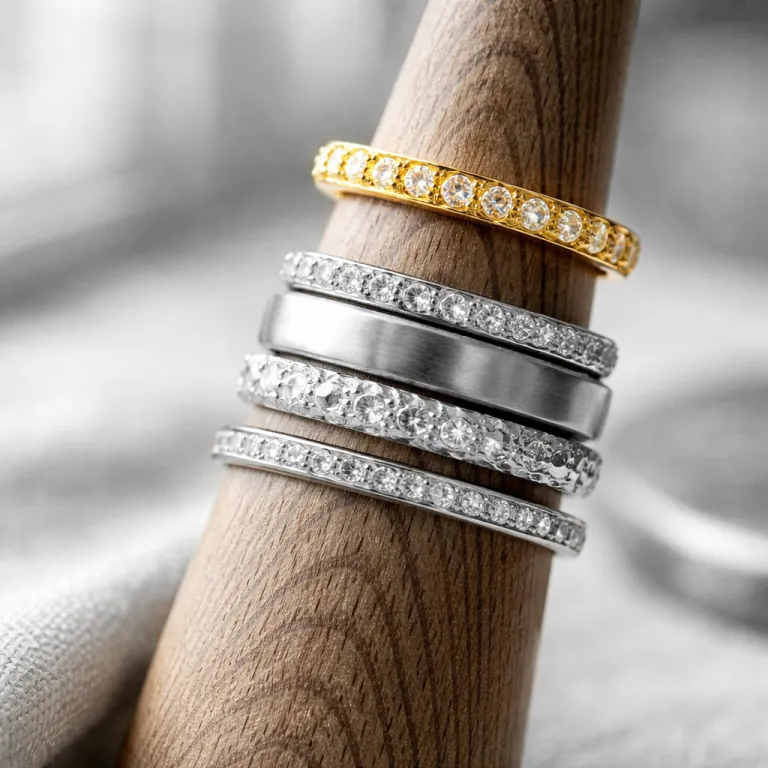
How an anniversary band guide turns milestones into a collection strategy
An anniversary band guide for jewelry milestones should feel like a roadmap, not a sales script. When you treat each anniversary band as a deliberate acquisition rather than a sentimental impulse, your anniversary rings start to form a coherent architecture around your original engagement ring and wedding band. Over time, those rings and bands can become a structured portfolio of jewelry assets, where every diamond, every stone, and every metal choice has a role in both daily wear and long term value.
Think of your first engagement ring as the thesis piece and each anniversary ring as a chapter that refines it. A thoughtful jewelry milestones strategy is really about this shift in mindset, because it reframes the anniversary band from a single gift into a sequence of bands that track your life, your taste, and your budget across each year anniversary. When you plan that sequence, you can balance gold and diamonds, eternity and half eternity bands, and even lab grown and natural stones so the stack feels intentional rather than accidental.
For many collectors, the first serious decision comes when the wedding anniversary stack starts to feel crowded. You may already have an engagement ring, a wedding band, and perhaps a slim eternity band, yet you still want to mark a diamond anniversary or a major year with something substantial. At that point, the right anniversary band guide or anniversary stacking tips framework helps you decide whether to add a bold gold diamond band, a low profile white gold eternity band, or a sculptural rose gold ring that can anchor future anniversary bands and wedding bands without overwhelming the hand.
Quick stacking checklist (for this section):
– Limit each finger to three or four rings for comfort and clarity.
– Decide whether the new anniversary band should add width, color, or height.
– Check that prongs and settings do not scratch neighboring rings.
– Photograph your stack in natural light to see how the diamonds and metals read together.
Traditional milestones: why the 5th, 10th, 15th, 25th and 50th matter for stacking
Classic jewelry tradition assigns a specific stone or metal to each major wedding anniversary, and those assignments still shape how serious collectors build their stacks. The fifth year anniversary is associated with sapphire, which pairs beautifully with white diamonds in an anniversary band that can sit either above the engagement ring or between two slim wedding bands. By the time you reach the tenth anniversary, the focus shifts to a diamond anniversary theme, and that is usually when the first substantial anniversary ring or full eternity band enters the picture.
At the fifteenth wedding anniversary, ruby becomes the reference stone, and a ruby and gold diamond band can be a powerful way to introduce color into a previously all white stack. Many connoisseurs choose a ruby anniversary band in yellow gold or rose gold, then flank it with existing white gold wedding bands to create a deliberate mixed metal effect that feels curated rather than chaotic. If you are considering a ruby focused design, it is worth studying high caliber ruby wedding band rings such as those discussed in this guide to elegant ruby wedding bands, because cut quality and saturation dramatically affect both beauty and long term value.
The twenty fifth and fiftieth milestones are more about metal than about individual stones, yet they still influence how you choose anniversary bands. A silver toned twenty fifth may inspire a sleek white gold or platinum eternity band, while the fiftieth often calls for a substantial yellow gold band that can be worn alone on the right hand or stacked with earlier anniversary rings. Across these milestones, a long term anniversary band plan encourages you to think not only about the symbolic stone or metal, but also about ring size, profile, and how each new band will share visual space with your engagement rings and existing wedding bands.
Stackable architecture: how to layer engagement, wedding and anniversary bands
Stacking is where any anniversary band strategy either sings or collapses, because the wrong proportions can make even exceptional diamonds look busy. Start by mapping the vertical order on the finger, usually engagement ring closest to the knuckle, then an anniversary band, then the original wedding band, or the reverse if your engagement ring has a low profile. The goal is to let each ring, band, and stone breathe, so that the eye can read the engagement ring center stone, the anniversary band diamonds, and the wedding band metal without visual noise.
Architectural profiles are defining current engagement ring trends, with thicker bands and bolder shoulders that demand equally considered anniversary bands. If your engagement ring has a wide gold shank or a sculptural white gold cathedral, a very slim eternity band with small diamonds can act as a luminous underline rather than a competing statement. Conversely, if your engagement rings are delicate solitaires, a more substantial eternity band or anniversary ring with larger stones can anchor the stack and give the overall jewelry set a sense of intention and permanence.
One practical tactic is to separate high dome bands from high set stones, so you do not create uncomfortable gaps or spinning. Bubble style bands, for example, can be spectacular as anniversary bands when worn alone on the right hand, or paired with a low profile wedding band as shown in this analysis of a bubble wedding band statement piece. When you add each new anniversary band, test it in multiple positions relative to your engagement ring and wedding band, and pay attention to how the diamonds and stones share light, not just how the sale price or carat weight compares.
Mini decision tree for stacking and resizing:
– If rings pinch or spin → consider resizing the most recent band first.
– If the center stone looks lost → add a slightly wider anniversary band for balance.
– If the stack feels too tall → swap in lower profile eternity bands or move one ring to the right hand.
– If metals clash → introduce a neutral white gold or platinum spacer band between strong colors.
Mixed metals and color stories: white, yellow and rose gold in anniversary stacks
Mixed metal stacking has moved from niche to norm, and a thoughtful anniversary band guide approach treats metal color as a design language. White gold and platinum read cool and graphic, yellow gold feels warm and traditional, while rose gold adds a soft, almost vintage glow that flatters many skin tones. When you combine these metals across engagement rings, wedding bands, and anniversary bands, you can create deliberate color blocking that frames each diamond and colored stone rather than diluting them.
One effective strategy is to choose a dominant metal for the engagement ring and wedding band, then use anniversary rings to introduce contrast. A white gold engagement ring with a matching wedding band can be beautifully offset by a yellow gold eternity band, especially if the eternity band carries bright white diamonds that echo the center stone. Conversely, if your original set is in yellow gold, a slim white gold anniversary band with channel set diamonds can sharpen the whole stack and make the gold appear richer by comparison.
Color does not stop at metal, because stones themselves carry hue and origin stories that deepen the emotional meaning of each year anniversary. Some collectors use anniversary bands to add birthstones, ethically sourced colored diamonds, or even mother of pearl accents that soften a high diamond count, as explored in this piece on the quiet radiance of mother of pearl jewelry. Whether you favor white diamonds, champagne diamonds, or vivid rubies, the key is to let each new anniversary ring share a visual thread with the existing jewelry, so the stack reads as a curated narrative rather than a random accumulation.
The eternity band as investment: settings, lab grown options and resale logic
Among all anniversary bands, the eternity band carries the most myth and the most misunderstanding, especially when collectors weigh romance against resale. A full eternity band, where diamonds or other stones encircle the entire ring, is visually seamless but difficult to resize, so you must be precise about ring size and realistic about future changes. Half eternity bands, by contrast, offer nearly the same look on the top of the finger, while allowing more flexibility if your finger size shifts over the years.
From an investment perspective, the setting style matters as much as the diamonds themselves, because it dictates durability and long term wear. Channel set eternity bands, where diamonds sit protected between metal walls, often hold up better to daily wear than very exposed micro pavé, which can lose stones more easily and erode value. When you are building a long range anniversary band plan, it can be wise to reserve delicate pavé for occasional wear anniversary rings, and choose sturdier channel or bar set eternity bands for pieces you intend to wear alongside your engagement ring and wedding band every day.
The question of lab grown versus mined diamonds has become central to many diamond anniversary conversations, and it deserves a clear, unsentimental view. Lab grown diamonds can offer a larger stone or more numerous diamonds at a lower sale price, which is attractive when you are adding multiple anniversary bands across several year anniversary milestones. However, resale markets currently favor natural diamonds, so a mixed strategy often works best, with a natural diamond engagement ring and perhaps a natural diamond anniversary band, complemented by lab grown diamond eternity bands for volume and sparkle where long term resale is less critical.
Budgeting each milestone: what to expect and how to prioritize
Planning for multiple anniversary bands over decades requires a calm view of budget, because sentiment alone will not protect you from overpaying. Instead of treating each wedding anniversary as a standalone purchase, think in terms of a lifetime jewelry budget that you allocate across engagement rings, wedding bands, and future anniversary rings. This long term jewelry milestones mindset lets you decide when to prioritize a major diamond anniversary piece and when a more modest band or alternative stone will still feel meaningful.
For early milestones such as the fifth or seventh year anniversary, many couples choose a slim band with smaller diamonds or colored stones, often in white gold or rose gold to complement the original set. These pieces can be relatively accessible in sale price, especially if you opt for lab grown diamonds or semi precious stones, yet they still add depth and texture to the stack. By the tenth or fifteenth anniversary, it often makes sense to reserve more budget for a substantial eternity band or a bold gold diamond anniversary ring that can stand alone as a right hand ring if your primary stack is already complete.
Later milestones such as the twenty fifth or fiftieth wedding anniversary may call for a more significant investment, particularly if you are upgrading the center stone of an engagement ring or commissioning a custom anniversary band. At that stage, you might trade in earlier pieces, repurpose stones into new bands, or consolidate several smaller rings into one major eternity band that better reflects your current taste and lifestyle. The guiding principle is simple but demanding; let each new band share both emotional meaning and structural purpose, because in fine jewelry it is not the carat count, but the fire in the stone.
Key figures shaping anniversary band and stacking decisions
- According to De Beers Group consumer research in its 2023 Diamond Insight Report, around half of couples who purchase an engagement ring will later add at least one diamond anniversary band or eternity band within the first decade of marriage (De Beers Group, 2023, Diamond Insight Report, section on bridal jewelry), which confirms that stacking is now a mainstream behavior rather than a niche trend.
- Data from the Natural Diamond Council, summarized in the 2022 Natural Diamond Council Industry Report, indicates that eternity bands and anniversary rings represent a growing share of diamond jewelry sales by value, with low double digit percentage growth over the past several years (Natural Diamond Council, 2022, industry overview), reflecting a shift from one time bridal purchases toward ongoing milestone gifting.
- Surveys by the Gemological Institute of America (for example, GIA’s 2021 consumer education survey on diamond preferences) show that consumer awareness of lab grown diamonds has risen sharply, with a significant portion of younger buyers considering lab grown stones for secondary pieces such as anniversary bands, even when they prefer natural diamonds for the original engagement ring (GIA, 2021, consumer survey summary).
- Market analyses from Bain & Company on the global diamond industry, particularly the 2023 edition of The Global Diamond Industry report, highlight that branded bridal and anniversary jewelry collections tend to retain value better on the secondary market, especially when they feature classic settings such as channel set eternity bands in white gold or yellow gold (Bain & Company, 2023, global diamond industry report).
- Reports from major auction houses such as Christie’s and Sotheby’s, including their 2022 and 2023 jewelry sale results, consistently demonstrate that signed vintage eternity bands and diamond anniversary rings from renowned maisons command strong prices (Christie’s and Sotheby’s jewelry sale archives, 2022–2023), underscoring the long term value of well made, well documented anniversary jewelry.
FAQ: anniversary bands, stacking and milestone strategy
How many anniversary bands can I realistically stack with my engagement ring and wedding band ?
Most hands look balanced with three to four rings on a single finger, typically an engagement ring, a wedding band, and one or two anniversary bands. If your engagement ring has a very wide band or a large center stone, you may prefer to keep only one slim eternity band alongside the wedding band and move additional anniversary rings to the right hand. The key is comfort and proportion ; if the stack pinches, spins, or hides the individual stones, it is time to redistribute bands across both hands.
Should my anniversary band match the metal of my engagement ring and wedding band ?
Matching metals create a seamless, traditional look, especially when all three pieces are in white gold or yellow gold. Mixed metals, however, can be very sophisticated when planned, for example pairing a white gold engagement ring with a yellow gold anniversary band that still uses white diamonds to tie the pieces together. Choose one dominant metal for the core bridal set, then let anniversary bands introduce contrast in a controlled way rather than mixing every metal in every ring.
Is a full eternity band always better than a half eternity band for an anniversary gift ?
A full eternity band offers uninterrupted sparkle and is often seen as the most romantic option, but it is difficult or impossible to resize. Half eternity bands are more practical for long term wear, especially if you expect your ring size to change over the years, and they can still look like full eternity bands from the top. For many collectors, a half eternity band in a robust channel setting is the best balance between beauty, durability, and future flexibility.
When does it make sense to choose lab grown diamonds for an anniversary band ?
Lab grown diamonds are well suited to anniversary bands where you want maximum sparkle for a given budget and are less concerned with long term resale value. They can be ideal for wider eternity bands or for stacking multiple anniversary rings, because the lower sale price per carat allows you to prioritize design and coverage. Many collectors keep natural diamonds for the engagement ring and perhaps one key diamond anniversary band, then use lab grown stones for additional bands that are worn and enjoyed daily.
How should I prioritize between upgrading my engagement ring and adding a new anniversary band ?
If your engagement ring no longer reflects your taste or lifestyle, upgrading the center stone or resetting the ring can have the greatest impact on how your jewelry feels every day. If you still love your engagement ring but want more presence or color, adding a thoughtfully chosen anniversary band or eternity band is often the better move. A useful rule is to upgrade the engagement ring when the core design feels wrong, and to add anniversary bands when the design still feels right but the overall stack needs depth or evolution.