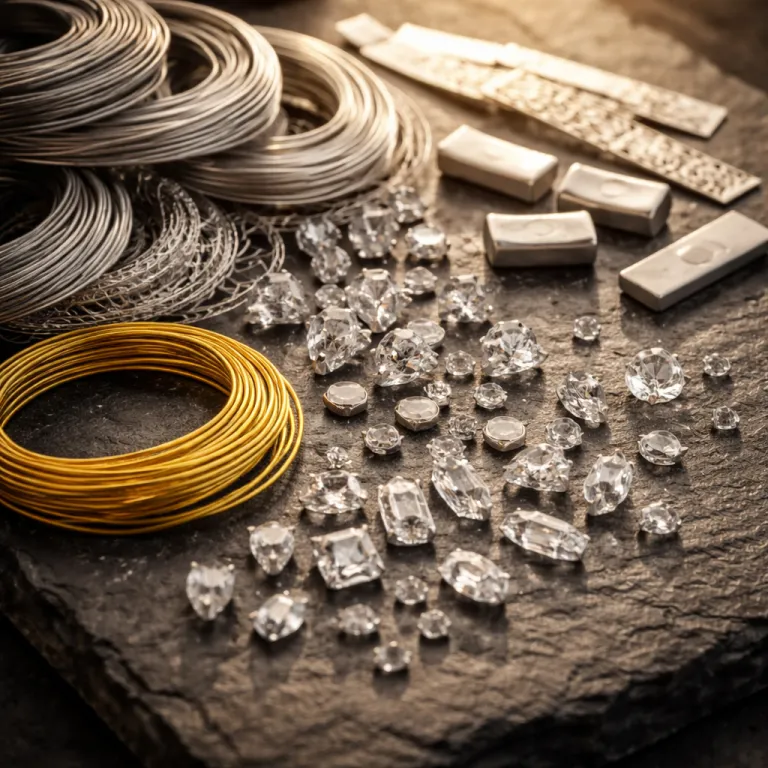
Why the art deco engagement ring revival is eclipsing the plain solitaire
The art deco engagement ring revival is not a passing micro trend. It reflects a deeper fatigue with anonymous solitaires and a renewed appetite for engagement rings that feel like jewelry, not just a status symbol. When a celebrity chose an old mine brilliant cut diamond in a vintage style setting, it signaled that character now rivals carat weight.
Owners who already live with fine jewelry understand this shift instinctively, because a great ring balances architecture, light performance, and daily comfort in a way that mass market engagement rings rarely achieve. Art deco engagement ring revival pieces do this through strict geometry, platinum engineering, and a dialogue between negative space and ornament that feels surprisingly modern. Think of a square step cut diamond framed by calibre cut sapphire shoulders, all in diamond platinum with razor fine milgrain that catches light like silk thread.
True art deco jewelry emerged between roughly the mid 1910s and mid 1930s, when jewelers embraced machine age aesthetics and new cutting technology for diamonds and colored stones. In that period, a typical engagement ring used platinum for strength, old European or early round brilliant cut diamonds for fire, and onyx or sapphire for graphic contrast. The art in these rings lies in proportion and precision, while the deco language appears in repeating patterns, tiered steps, and bold symmetry that still feel fresh on a modern hand.
What makes a ring genuinely deco rather than merely deco inspired
For a collector already owning contemporary pieces, the first task is separating genuine period engagement rings from modern designs that are only deco inspired. A real deco engagement ring usually features hand cut diamonds such as old European, old mine, or early baguette cuts, often paired with calibre cut sapphire or onyx in tightly fitted channels. The metal is almost always platinum on top, sometimes with a yellow gold shank added later, and the overall ring art feels architectural rather than floral.
By contrast, many deco inspired engagement rings use modern round brilliant cut diamonds, bright white gold alloys, and laser sharp engraving that looks too perfect under magnification. These pieces can be beautiful, but they belong to the art deco engagement ring revival as homages, not as antique art objects with historical integrity. When a listing is exactly described as “deco engagement style” rather than “circa 1925 platinum and diamond engagement ring,” you should read that phrasing as a pricing and provenance signal.
Authentic period jewelry shows specific wear patterns, such as softened milgrain on the highest edges and slightly rounded prongs that were hand shaped around each cut diamond. Hallmarks may be faint but still legible, and the underside of the ring reveals careful piercing work rather than cast shortcuts. If you are new to this category, study a connoisseur’s framework for how to choose an engagement ring beyond the 4Cs, because the same disciplined approach applies when evaluating antique rings with complex histories.
Signature deco details that make engagement rings feel both graphic and wearable
The most compelling part of the art deco engagement ring revival is how these pieces wear on the hand, not just how they photograph. Platinum allows jewelers to build ultra thin yet strong structures, so a substantial diamond engagement design can sit low and stable without feeling bulky. This is why many period rings feel more comfortable than modern white gold solitaires with tall cathedral shoulders.
Look closely at the cut of the stones, because deco jewelers treated every diamond and sapphire as part of a larger composition. Old European cut diamonds bring a deep, almost candlelit glow, while baguette and bullet cuts create clean lines that frame a central cut diamond or diamond sapphire combination. Calibre cut sapphire accents are individually shaped to follow curves and corners, which is why resizing a ring antique from this era requires a specialist who respects the original geometry.
Graphic contrast defines authentic art deco jewelry, so you will often see onyx paired with diamonds, or sapphire borders around a central diamond platinum cluster. Milgrain beading softens the edges of these strong shapes, and fine filigree under galleries keeps the overall weight light while maintaining strength. For collectors who already enjoy refined earrings or bracelets, deco engagement rings extend that same design language to the most personal piece you will wear daily, much like how elevated diamond men’s hoop earrings reinterpret classic forms for a modern wardrobe.
How to source real 1920s–1930s deco rings without getting burned
Entering the art deco engagement ring revival as a buyer means choosing your hunting grounds carefully. Specialist antique jewelry dealers and established auction houses remain the most reliable sources for period engagement rings with documented provenance. Estate sales and online marketplaces can yield treasures, but they demand a sharper eye and a higher tolerance for risk.
When evaluating a potential purchase, start with the metal and construction of the ring rather than the headline diamond weight. Genuine deco engagement rings in platinum often have knife edge shanks, hand pierced galleries, and prongs that are integrated into the design rather than added as an afterthought. If a supposedly antique ring is heavy in yellow gold with a very high modern setting and perfectly uniform round brilliant diamonds, you are probably looking at a later deco inspired piece instead.
Reputable dealers will definitely provide detailed photographs, a quick view of hallmarks, and clear information about any replaced stones or previous resizing. Their customer service should feel consultative, not transactional, and they should welcome questions about how the ring will ship, how insured shipping works, and what happens if your jeweler’s loupe view art reveals an undisclosed chip. For those building a broader jewelry wardrobe, pairing a deco engagement ring with refined pieces such as pink pearl earrings can create a dialogue between eras that feels curated rather than costume.
Restoration, resizing, and the dealers whose deco provenance you can trust
Owning a piece from the art deco engagement ring revival carries responsibilities that differ from caring for a new ring. Resizing a platinum and diamond engagement ring from this era is possible, but only within limits that preserve the integrity of calibre set sapphire borders and intricate ring art. A skilled bench jeweler will study the under gallery, assess previous work, and explain exactly where metal can be added or removed without stressing old solder seams.
Resetting stones is more delicate, because original cut diamonds and sapphires were hand fitted, and replacing them with modern cuts can distort the proportions that define deco engagement aesthetics. When a central diamond sapphire combination has been swapped for a different cut, the entire balance of the design shifts, often in ways that trained eyes can spot instantly. For serious collectors, a ring antique that retains its original stones, even with minor abrasions, is usually preferable to a heavily “upgraded” piece that has lost its historical coherence.
In the high end market, a handful of maisons and dealers have built reputations on unimpeachable deco provenance and meticulous restoration standards. While specific names evolve, look for houses that publish detailed condition reports, use period appropriate techniques, and ensure every piece is exactly described in terms of age, metal, and stone cuts. In this segment, you are not paying for a generic brand label or quick shipping, but for connoisseur level curation where the value lies not in the carat count, but in the fire in the stone.
FAQ
How can I quickly tell if a deco ring is genuinely antique?
Start by examining the cut of the diamonds and the construction of the metal under magnification. Old European or old mine cut diamonds, hand pierced platinum galleries, and softened milgrain edges usually indicate an authentic period engagement ring rather than a modern deco inspired copy. Modern round brilliant diamonds in very bright white gold with sharp, cast details often signal a contemporary piece styled in an antique art language.
Is platinum always better than white gold for art deco engagement rings?
For original deco engagement rings, platinum was the metal of choice because its strength allowed very fine settings and secure prongs around fragile calibre cut stones. White gold can be excellent for modern engagement rings, but it rarely appears in untouched 1920s–1930s pieces and behaves differently during restoration. If you value historical accuracy and long term durability, platinum is usually the safer option for a ring antique from this era.
Can an antique art deco ring be resized safely for daily wear?
Most platinum art deco engagement rings can be resized one or two sizes by an experienced bench jeweler who understands period construction. Problems arise when the shank contains engraving, calibre set sapphire borders, or previous repairs that limit where cuts can be made. Always request a detailed view of the under gallery and discuss the plan in writing with the jeweler before committing.
How should I style an art deco engagement ring with my existing jewelry?
Because deco engagement rings are graphic and architectural, they pair well with simple bands in platinum, white gold, or yellow gold that echo their geometry without competing. Many collectors enjoy contrasting a bold deco engagement ring with refined earrings or bracelets that share similar cut diamonds or sapphire accents. The goal is a cohesive visual story where each piece feels intentional rather than matched.
Does buying from a well known brand matter for antique deco pieces?
For true period jewelry, the individual ring’s condition, construction, and stone quality matter more than a contemporary brand name. That said, established antique dealers and maisons with strong customer service and transparent documentation reduce the risk of misrepresented pieces. In the art deco engagement ring revival, trust the expertise behind the curation as much as the sparkle on your finger.
