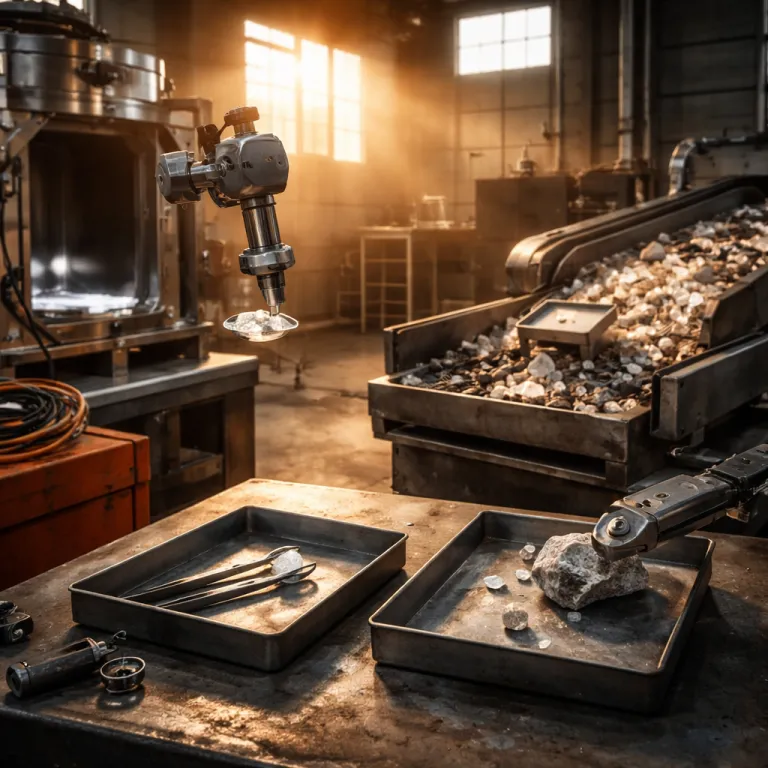
Lab grown diamonds vs natural diamonds as two distinct markets
When you compare lab grown diamonds vs natural, you are no longer weighing one product with two origins. You are choosing between two different markets with their own pricing logic, emotional narratives, and long term behavior, especially for engagement rings that must age as gracefully as a marriage. The grown diamonds segment now behaves more like high tech, while natural diamonds still move at the slower pace of geology and auctions.
Gemologically, a lab grown diamond and a natural diamond share the same chemical structure. Both are crystallized carbon in a cubic lattice, with identical chemical physical properties that give them hardness, brilliance, and fire under the loupe. The difference lies in origin and time, not in the physical properties you see on the hand.
Natural diamonds formed deep in the earth over millions of years under high pressure and temperature. In contrast, a laboratory uses either CVD (chemical vapor deposition) or HPHT (high pressure high temperature) to grow a diamond in a controlled diamond lab in a matter of weeks. The result is that grown diamond crystals can be produced on demand, while diamonds natural from the earth remain finite and irregular in supply.
Price behavior reflects this split. A one carat D to F color, VVS1 clarity lab grown diamond typically sells around 1 000 to 1 500 USD, while a comparable natural diamond ranges from roughly 4 500 to 7 000 USD. Trade publications such as Rapaport (price list data, 2023) and industry overviews from Bain & Company (Global Diamond Report, 2022) and De Beers (Diamond Insight Report, 2023) have documented similar price gaps, as well as the downward trend in wholesale prices for lab created stones over the last several years. These figures are based on aggregated dealer price sheets and retail survey data rather than a single exchange, and represent average asking prices rather than guaranteed transaction levels for any individual stone.
For engagement ring buyers, this means the question is not whether lab grown diamonds are real diamonds. The question is whether you want your engagement ring budget to prioritize size and optical perfection today, or the story, origin, and potential resale value of a natural lab free stone tomorrow. Once you frame lab grown diamonds vs natural diamonds as two distinct categories, the decision becomes far clearer and more honest.
Origin, ethics, and the real meaning of “created”
Origin is where lab grown diamonds vs natural diverge most sharply in story. A natural diamond began as carbon buried more than 140 km under the earth, pushed upward by volcanic activity, then extracted through industrial mining that can reshape entire landscapes. A lab grown diamond begins as a tiny seed in a laboratory chamber, surrounded by plasma in a CVD reactor or molten metal in an HPHT press, and is created under human supervision rather than geological accident.
Many engagement shoppers hear that created diamonds are automatically ethical, while diamonds natural from mines are automatically problematic. Reality is more nuanced, because both laboratory production and earth extraction carry environmental and social trade offs that vary by producer, region, and certification. A serious collector evaluates the specific mine or laboratory, not just the marketing label on the grading report.
High quality natural diamonds increasingly come with origin documentation, tracing a natural diamond back to a country or even a specific mine. Some maisons highlight Canadian origin or Botswana origin stones to underline social programs funded by diamond natural revenues. Laboratory producers, by contrast, emphasize renewable energy use, closed loop water systems, and transparent factory conditions to support an ethical narrative for lab created stones.
From a chemical perspective, both lab grown and natural diamonds are pure carbon with trace elements that influence color. Nitrogen impurities can push a diamond toward warmer color grades, while boron can create rare blue tones, whether the stone is grown natural in the mantle or grown in a CVD or HPHT reactor. The ethical question is therefore not about chemical purity but about how responsibly those chemical physical conditions were harnessed.
For engagement rings, ask your jeweler for both a GIA or equivalent report and any origin documentation available. GIA and other laboratories have expanded origin reporting in recent years (GIA origin services, 2020–2023), which helps buyers align values with sourcing. If you are drawn to colored stones and ethical sourcing, you may also appreciate how some collectors balance their diamond choices with pieces such as a yellow diamond eternity band, which can be explored in depth through this yellow diamond eternity band guide for collectors.
Color, clarity, and how grading plays out on the hand
When comparing lab grown diamonds vs natural, the grading language around color and clarity can feel identical yet behave differently in the market. Both categories use the same GIA color scale from D to Z and the same clarity scale from Flawless down to Included, but the distribution of grades and pricing premiums diverge. In practice, this means a D color, VVS1 clarity lab grown diamond is far more accessible than its natural counterpart, which reshapes how couples allocate budget for engagement rings.
Laboratory production allows manufacturers to target specific color clarity combinations with remarkable precision. Many diamonds created in CVD or HPHT reactors are optimized for near colorless grades and high clarity, then post treated to refine color or remove visible inclusions. Natural diamonds, by contrast, emerge from the earth with a more chaotic spread of color and clarity, which is why truly top color clarity combinations in natural diamonds command steep premiums.
For the eye, the question is how much of that premium you actually see at arm’s length. A well cut 1.80 carat lab grown diamond in G color and VS1 clarity can look stunning in a platinum solitaire engagement ring, even to seasoned collectors. A 1.20 carat natural diamond in the same color clarity might cost more but carry a different emotional weight because of its geological origin and perceived rarity.
Grading laboratories such as GIA, IGI, and HRD now issue separate reports for lab grown and natural diamonds, clearly stating whether a stone is lab created or earth mined. GIA, for example, introduced updated laboratory-grown diamond reports in 2020 that distinguish them visually from natural diamond dossiers. Always read the full report, paying attention not only to color clarity but also to cut grade, fluorescence, and comments about treatments, especially for CVD or HPHT stones. The phrase “laboratory grown” or “lab created” must appear clearly, in line with FTC disclosure rules that require transparent labeling.
Collectors who already own classic diamond pieces, such as a three diamond bracelet, often use those as a reference point when judging new purchases. If your existing bracelet features natural diamonds with strong color and clarity, you may prefer to keep your engagement center stone in the same natural diamonds family for visual harmony. You can explore how grading plays out in multi stone designs through this detailed look at the elegance and meaning behind a three diamond bracelet, then apply similar principles when balancing lab grown and natural options.
Size, budgets, and how different buyers should allocate value
The most tangible impact of lab grown diamonds vs natural is visible on the hand, in millimeters and carats. Because lab grown diamonds cost roughly 70 to 80 percent less than comparable natural diamonds, couples are choosing larger center stones without increasing their overall budget. The average lab grown engagement center now sits around 2.45 carats, while traditional natural diamonds for engagement rings often remain closer to the 1.00 to 1.50 carat range (De Beers and retailer survey data, 2022–2023, based on self reported sales volumes from multi store jewelers).
Consider a 5 000 USD budget for an engagement ring. With natural diamonds, that might secure a well cut 0.80 to 1.00 carat natural diamond in the near colorless range, set in a classic solitaire or delicate pavé design. The same budget in lab grown could comfortably support a 1.80 to 2.00 carat lab created stone with high color clarity grades, perhaps even a fancy shape like an elongated oval or emerald cut.
At 15 000 USD, the calculus shifts but the pattern holds. A natural diamond buyer might focus on a 1.50 to 1.80 carat diamond natural in G color and VS clarity, possibly from a documented origin such as Canada or Botswana, with a refined custom setting. A lab grown buyer at the same budget could move into 3.00 carat territory with exceptional color clarity, or allocate more to designer craftsmanship, side stones, and a matching wedding band.
For a 40 000 USD budget, you are firmly in connoisseur territory. Some collectors will choose a 2.00 to 2.50 carat natural diamond with strong provenance, perhaps a GIA graded stone with excellent cut and a rare combination of color and clarity, accepting a smaller size for long term value and potential resale. Others will commission a showpiece 4.00 carat lab grown diamond ring, fully aware that resale will be modest but prioritizing presence, design, and daily joy over secondary market behavior.
Resale data underscores this divergence. Trade estimates based on dealer buyback offers and auction results suggest that natural diamonds often retain around 40 to 60 percent of their purchase price on the secondary market, depending on quality and brand, while lab grown stones currently see closer to 20 to 30 percent. These ranges are indicative, compiled from jeweler buyback policies, Rapaport style summaries, and public auction outcomes between 2019 and 2023, and should be read as broad historical averages rather than guaranteed future performance for any individual stone. For example, a 1.50 carat G color, VS2 clarity natural diamond ring sold at a regional auction in late 2022 for just under half of its original 2015 retail price, while a similar size lab grown ring offered in 2023 attracted bids closer to a quarter of its recent purchase price.
Regulation, disclosure, and how to interrogate a grading report
Regulators now treat lab grown diamonds vs natural as separate categories that must be clearly labeled. In the United States, the Federal Trade Commission requires that any laboratory grown diamond be described with terms such as “laboratory grown”, “lab created”, or “grown diamond”, and that these descriptors appear prominently in marketing and documentation. Similar rules apply in Europe and other major markets, where misrepresenting a lab grown stone as natural is considered deceptive practice.
When you review a grading report, start with the heading that states whether the stone is a natural diamond or a laboratory grown diamond. GIA and other laboratories now issue distinct report formats, often with different color schemes, to reduce confusion between diamonds natural from the earth and diamonds created in a laboratory. The report should also note whether the stone was produced using CVD or HPHT methods and whether any post growth treatments were applied to adjust color or clarity.
Ask your jeweler direct questions and expect precise answers. Is this stone from a diamond lab or from the earth, and how can you verify that through documentation rather than verbal assurances? Does the report mention any treatments that affect color clarity, such as HPHT annealing or fracture filling, which can influence both appearance and long term stability?
For engagement rings, insist that the invoice and appraisal clearly state whether the center stone is lab grown or natural, and whether any side stones differ in origin. This protects you if you later resell, insure, or upgrade the piece, because insurers and secondary buyers will rely on those documents. It also prevents the awkward situation of gifting an engagement ring under the assumption of a natural diamond, only to learn later that the stone was laboratory grown.
Collectors who enjoy mixing diamonds with colored gemstones should apply the same rigor to every purchase. Whether you are considering a green tourmaline cocktail ring or a diamond halo around a colored center, ask for laboratory reports and origin details where available. For a deeper dive into how colored stones can complement both lab grown and natural diamonds in a collection, you can explore this guide to elevating your collection with green tourmaline jewelry, then apply similar questions about origin, treatment, and documentation.
Matching the stone to your relationship with value
Once you understand the mechanics of lab grown diamonds vs natural, the final decision becomes personal rather than theoretical. Some buyers are deeply moved by the idea of a stone that spent millions of years in the earth, surviving tectonic shifts and volcanic eruptions before landing on a finger. Others feel more aligned with a laboratory grown diamond that reflects human ingenuity, controlled chemical physical processes, and a transparent supply chain.
If you are highly sensitive to visible size and design, lab grown diamonds offer extraordinary creative freedom. You can prioritize a bold 2.50 carat grown diamond with excellent color clarity, then invest in a distinctive setting — perhaps a knife edge solitaire, a bezel with fine milgrain, or a three stone ring with tapered baguettes. In this scenario, you accept that the diamond lab product behaves more like high end electronics in price, with limited long term appreciation but immense day to day pleasure.
If you are more focused on legacy, provenance, and potential resale, natural diamonds remain compelling. A carefully chosen 1.50 carat natural diamond with strong GIA documentation, balanced color clarity, and a timeless setting can anchor a collection for decades. Over years, such a piece may not skyrocket in value, but it will likely retain a meaningful portion of its worth and remain aligned with auction market tastes.
Many couples land in a grown natural hybrid approach. They choose a natural diamond for the primary engagement ring, then add lab grown diamond earrings, pendants, or anniversary bands where size and sparkle matter more than origin. Others reverse the equation, selecting a lab grown engagement center and reserving natural diamonds for future heirloom pieces, such as a rivière necklace or a bracelet intended for the next generation.
The most honest framework is simple. Lab grown is better for maximizing size, design experimentation, and upfront value, while natural excels at narrative depth, perceived rarity, and secondary market resilience. In the end, the right choice is not the biggest stone or the rarest certificate, but the diamond — lab grown or natural — that feels truest to how you and your partner measure value, because in fine jewelry it is not the carat count, but the fire in the stone.
Key statistics on lab grown and natural diamond markets
- Lab grown diamonds are currently around 70 to 80 percent less expensive than natural diamonds of equivalent color, clarity, and carat weight, according to multiple trade analyses and retailer data from 2022–2023, which explains the rapid growth in lab grown engagement rings. These percentages are broad ranges compiled from Rapaport style price lists and multi brand jeweler surveys that track both retail and wholesale asking prices.
- A one carat D to F color, VVS1 clarity lab grown diamond typically costs between 1 000 and 1 500 USD, while a comparable natural diamond often ranges from 4 500 to 7 000 USD, illustrating the substantial price gap at the one carat benchmark documented in Rapaport style market summaries and confirmed by independent retailer price sampling in 2023.
- Wholesale prices for lab grown diamonds have fallen by approximately 15 to 25 percent over recent years, based on dealer price sheets and Rapaport style market summaries from 2020–2023, signaling that broad categories of lab grown stones no longer show consistent price appreciation in the secondary market. These figures reflect average list price movements rather than individual transaction guarantees.
- Industry surveys from sources such as De Beers and independent retailers suggest that in certain North American markets, roughly 55 to 60 percent of new engagement rings now feature a lab grown center stone, reflecting a structural shift in consumer preferences toward larger stones and perceived ethical advantages. This share varies by region, price point, and retailer focus.
- The average carat weight for lab grown engagement ring centers has risen to about 2.45 carats in recent retailer reports, compared with historical averages closer to 1.31 carats, an increase of roughly 85 to 90 percent that highlights the “go bigger” effect of lower lab grown pricing. These averages are based on anonymized sales data from multi store jewelers between 2018 and 2023.
- Resale values differ significantly, with many natural diamonds retaining around 40 to 60 percent of their original purchase price and lab grown diamonds often achieving closer to 20 to 30 percent on the secondary market; these percentages are approximate ranges drawn from jeweler buyback policies and auction results rather than guaranteed outcomes, and they can shift with market cycles and individual stone quality.
Are lab grown diamonds considered real diamonds
Lab grown diamonds are considered real diamonds because they share the same chemical composition and crystal structure as natural diamonds. Both are made of crystallized carbon with identical physical properties, including hardness, refractive index, and dispersion. The only difference is origin, with natural diamonds forming in the earth and lab grown diamonds forming in a laboratory.
Which is better for an engagement ring, lab grown or natural
Neither option is universally better; the right choice depends on your priorities. Lab grown diamonds are better if you want a larger stone, higher color clarity grades, and a lower upfront cost. Natural diamonds are better if you value geological origin, long term resale potential, and the traditional narrative associated with mined stones.
How much should I spend on a diamond engagement ring
Budget should be based on your financial comfort, not a formula tied to income. With natural diamonds, 5 000 USD might secure a well cut 0.80 to 1.00 carat stone, while the same budget in lab grown could support a 1.80 to 2.00 carat stone of similar quality. Higher budgets, such as 15 000 or 40 000 USD, open options for either larger lab grown stones or smaller but rarer natural diamonds with strong documentation.
Do lab grown diamonds hold their value over time
Lab grown diamonds currently do not hold value as strongly as natural diamonds. Many lab grown stones resell for around 20 to 30 percent of their original price, while natural diamonds often retain 40 to 60 percent, depending on quality and brand. Buyers should view lab grown diamonds as a purchase for beauty and wear, not as an investment asset.
How can I be sure my diamond is natural and not lab grown
The most reliable way is to request a grading report from a respected laboratory such as GIA, IGI, or HRD. The report will clearly state whether the stone is a natural diamond or a laboratory grown diamond and may indicate the growth method, such as CVD or HPHT. Always ensure that invoices and appraisals match the grading report and that the jeweler explains any treatments or origin details in writing.
