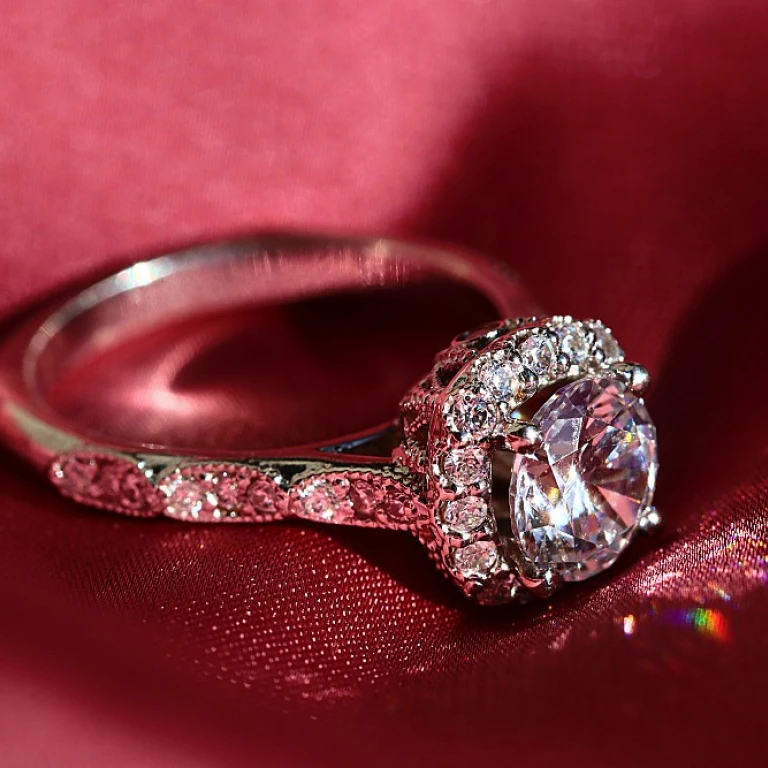
Understanding the core differences between diamonds and rubies
What Sets Diamonds and Rubies Apart?
Diamonds and rubies both hold iconic status in fine jewelry, but their core differences go beyond color. Understanding these distinctions is essential for owners and collectors who want to make informed decisions about their jewelry investments.
- Composition and Structure: Diamonds are made of pure carbon, crystallized under immense pressure and heat. This gives them their legendary hardness—rated 10 on the Mohs scale. Rubies, on the other hand, are a variety of corundum, colored red by trace amounts of chromium. They score 9 on the Mohs scale, making them durable but slightly softer than diamonds.
- Color and Appeal: The classic diamond is prized for its clarity and brilliance, reflecting light in a way few other gemstones can. Rubies are celebrated for their rich, vivid red hues, which can range from pinkish to deep blood-red. This color is often associated with passion and vitality, making rubies a favorite for statement pieces.
- Symbolism and Tradition: Diamonds are often linked to eternal love and commitment, which is why they dominate engagement ring choices. Rubies, meanwhile, symbolize power, protection, and prosperity in many cultures. This makes them a popular choice for heirloom and ceremonial jewelry.
- Market Demand: Both gemstones enjoy strong global demand, but their markets can behave differently. Diamonds benefit from a highly structured grading system and global trading networks, while rubies are often valued for their origin and unique color saturation.
For those interested in exploring the unique charm of rubies in contemporary design, discover the allure of ruby and pearl earrings for inspiration and deeper insight into this captivating gemstone.
Understanding these fundamental differences lays the groundwork for evaluating value, care, and ethical considerations, all of which are crucial when deciding where to bank your investment in fine jewelry.
Evaluating value and investment potential
Assessing Market Trends and Long-Term Value
When considering whether to invest in diamonds or rubies, understanding the nuances of market demand and value retention is essential. Diamonds have long been seen as a universal standard for fine jewelry investment, largely due to their established pricing systems and global recognition. Rubies, on the other hand, are prized for their rarity and vibrant color, which can sometimes make them even more valuable per carat than diamonds, especially in the case of untreated stones with strong color saturation.
- Liquidity: Diamonds benefit from a highly liquid market, with transparent pricing and widespread buyer interest. Rubies, particularly those of exceptional quality, can also command strong resale values, but the market is more specialized and may require expert appraisal.
- Price Appreciation: Historically, both gemstones have shown resilience in value. However, the price of high-quality rubies has seen significant appreciation in recent years, driven by limited supply and increased collector interest. Diamonds tend to offer steadier, more predictable returns.
- Certification: Both diamonds and rubies should be accompanied by certificates from reputable gemological laboratories. These documents confirm authenticity, origin, and quality, which are crucial for investment-grade stones.
For those considering diversification, ruby tennis necklaces have gained attention as a sophisticated investment piece, blending aesthetic appeal with strong market performance. For more insights on this trend, explore the allure of ruby tennis necklaces.
Ultimately, the decision between diamonds and rubies should align with your investment goals, risk tolerance, and personal preferences. As discussed in other sections, factors like care, ethical sourcing, and design flexibility also play a role in maximizing the long-term value of your fine jewelry collection.
Care and maintenance for lasting brilliance
Preserving Brilliance: Practical Care Tips
Whether you own a diamond or a ruby, maintaining your gemstone’s brilliance is essential for both its beauty and long-term value. Each gemstone has unique characteristics that influence how you should care for it. Understanding these differences helps ensure your investment remains stunning for generations.
- Cleaning routines: Diamonds are renowned for their hardness, but they still attract oils and dust. Regular cleaning with a soft brush, mild soap, and warm water is effective. Rubies, while durable, can be more sensitive to harsh chemicals. Use gentle, non-abrasive cleaners and avoid ultrasonic machines for rubies with surface fractures.
- Storage solutions: Store diamonds and rubies separately to prevent scratches. Diamonds can scratch other gemstones, including rubies. Use soft pouches or lined jewelry boxes to minimize contact and reduce the risk of damage.
- Professional inspections: Schedule annual check-ups with a trusted jeweler. They can assess settings, especially prongs and clasps, to prevent accidental loss of your precious stones.
- Environmental considerations: Both diamonds and rubies can be affected by extreme temperatures and direct sunlight. Prolonged exposure may cause fading or structural stress, particularly in rubies. Remove jewelry before swimming or engaging in rigorous activities.
For collectors interested in rare gemstones, learning about the care of unique stones like purple garnet can offer additional insights into maintaining a diverse fine jewelry collection.
Proper care not only preserves the aesthetic appeal of your diamonds and rubies but also supports their value and longevity. This attention to maintenance complements the considerations around investment potential and personal style, ensuring your fine jewelry remains a cherished asset.
Matching gemstones to personal style and occasions
Choosing Gemstones for Your Signature Look
When it comes to fine jewelry, diamonds and rubies each offer unique visual appeal and symbolism. Selecting the right gemstone for your collection or personal style involves more than just assessing value or rarity. It’s about how the stone complements your wardrobe, personality, and the occasions you attend.
- Diamonds: Known for their unmatched brilliance and versatility, diamonds are a classic choice for both everyday wear and formal events. Their neutral color allows them to pair seamlessly with any outfit, making them a staple in engagement rings, earrings, and necklaces.
- Rubies: With their rich red hue, rubies make a bold statement. They are often chosen for special occasions or to add a pop of color to an ensemble. Rubies are particularly favored in cocktail rings and statement necklaces, where their vibrant color can truly shine.
Consider your lifestyle and the occasions you frequent. If you prefer understated elegance, diamonds may be the better fit. For those who enjoy standing out or want to express passion and vitality, rubies can be the gemstone of choice. Many fine jewelry owners opt to have both in their collection, allowing flexibility for different moods and events.
Pairing Gemstones with Outfits and Events
Matching gemstones to your attire and the event is key to making the most of your investment. Diamonds, with their timeless appeal, are suitable for business meetings, weddings, and daily wear. Rubies, on the other hand, are ideal for festive occasions, gala dinners, or when you want to make a memorable impression.
- Everyday Elegance: Simple diamond studs or a solitaire pendant can elevate daily outfits without overpowering them.
- Special Celebrations: Ruby earrings or a bold ruby ring can serve as a conversation starter and add a touch of luxury to your look.
Ultimately, the choice between diamonds and rubies should reflect your personal taste and how you wish to present yourself. Both gemstones offer enduring beauty and can be tailored to suit any style or occasion.
Ethical sourcing and provenance concerns
Transparency and Traceability in Gemstone Sourcing
When considering diamonds or rubies for your fine jewelry collection, ethical sourcing and provenance are crucial factors. The global market has seen increasing demand for transparency, especially as consumers become more aware of the environmental and social impacts tied to gemstone mining.
- Diamonds: Many diamonds now come with certification from organizations like the Kimberley Process, which aims to prevent conflict diamonds from entering the supply chain. However, the effectiveness of these certifications can vary by region and supplier. Always request documentation that details the diamond’s journey from mine to market.
- Rubies: Rubies, particularly those from Myanmar, have faced scrutiny due to concerns over labor practices and environmental harm. Reputable dealers will provide origin reports and, where possible, support rubies sourced from mines with responsible labor and environmental standards.
For both gemstones, traceability is becoming a standard expectation. Look for jewelers who offer full disclosure about the origin and treatment of their stones. This not only supports ethical practices but also enhances the long-term value and trust in your investment.
Certifications and Responsible Practices
When evaluating fine jewelry, certifications from recognized bodies such as the Gemological Institute of America (GIA) or the Responsible Jewellery Council (RJC) provide assurance of ethical sourcing. These certifications cover aspects like fair labor, environmental stewardship, and authenticity of the gemstone.
Choosing pieces with clear provenance and ethical certification aligns with modern values and helps ensure your jewelry reflects both beauty and integrity. As you explore customization and design options, prioritize jewelers who are transparent about their sourcing and committed to responsible practices.
Customization and design possibilities
Personalization Options in Fine Jewelry
Customization is a defining aspect of fine jewelry ownership, especially when choosing between diamonds and rubies. Both gemstones offer unique opportunities for personalization, allowing owners to express individuality and taste through their jewelry pieces.- Setting Styles: Diamonds are often showcased in classic solitaires, halos, or pavé settings, while rubies shine in vintage-inspired or bold contemporary designs. The choice of metal—platinum, gold, or rose gold—can dramatically influence the overall look and feel of the piece.
- Gemstone Cuts: The cut of a gemstone not only affects its brilliance but also its character. Diamonds are commonly found in round, princess, or emerald cuts, whereas rubies are frequently fashioned into cushion, oval, or cabochon shapes to highlight their color intensity.
- Accent Stones and Pairings: Many owners opt to enhance their central gemstone with accent stones. Diamonds can be paired with sapphires or emeralds for contrast, while rubies often stand out when flanked by diamonds or pearls, creating a striking visual balance.
- Engraving and Bespoke Details: Adding engravings or custom motifs can transform a piece into a personal heirloom. Whether it’s a meaningful date or a symbolic pattern, these details add sentimental value and exclusivity.
