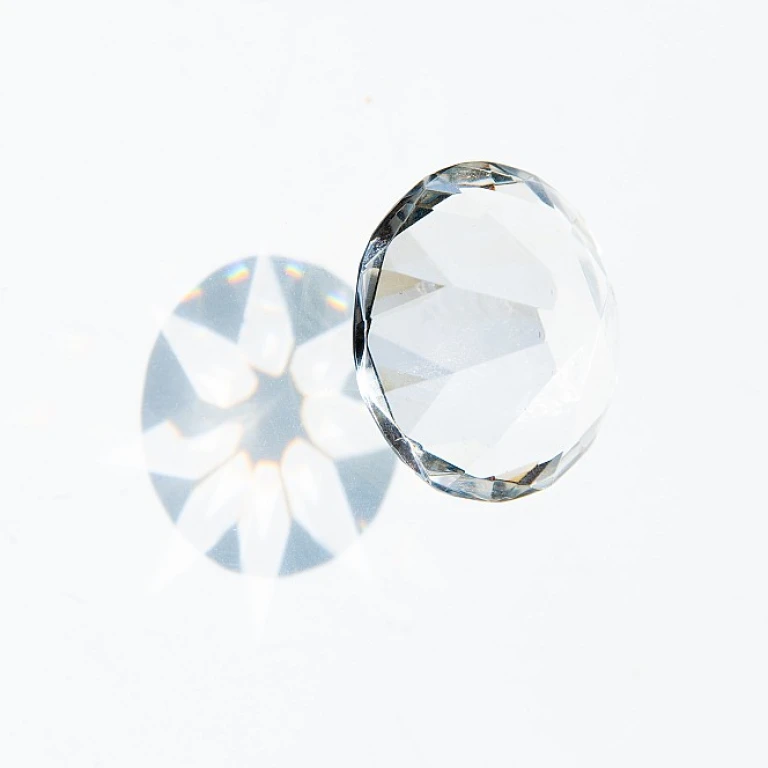
Understanding the unique allure of emeralds
The Captivating Green: Why Emeralds Stand Apart
Emeralds have long held a unique place in the world of fine jewelry. Their vibrant green color, often described as lush or velvety, is instantly recognizable and deeply associated with luxury and sophistication. Unlike other gemstones, the green of a natural emerald is not just a color—it’s a statement. This green hue, ranging from deep forest to vivid spring, is the result of trace elements like chromium and vanadium, setting emeralds apart from other green gemstones.
Emotional and Cultural Significance
Throughout history, emeralds have been credited with mystical properties and have been a symbol of rebirth, wisdom, and prosperity. Their allure is not just visual; it’s also emotional. Many collectors and jewelry owners are drawn to emeralds for their storied past and the sense of prestige they bring to any collection. The process of selecting an emerald, whether for an engagement ring or a pair of emerald earrings, is often deeply personal, reflecting individual taste and values.
Emeralds in Modern Collections
Today, emerald jewelry is featured in high and low price ranges, making it accessible to a wider audience while still retaining its status as a luxury item. Whether you are considering loose emeralds, an emerald ring, or adding to your emerald collection, the versatility of this gemstone is unmatched. Emeralds are often compared to diamonds, sapphires, and rubies, but their unique green color and the rarity of eye clean stones make them a standout choice for those seeking something truly special.
- Emerald cut: This classic cut enhances the stone’s color and clarity, making it a favorite for both traditional and modern designs.
- Emerald earrings: A timeless accessory, perfect for both everyday wear and special occasions.
- Emerald engagement rings: Increasingly popular for those who want a distinctive, meaningful alternative to diamonds.
As you explore the world of emerald gemstones, consider how their unique qualities can elevate your fine jewelry collection. For more insights into the enduring appeal of emeralds in men's jewelry, discover the allure of emerald men's wedding rings.
Origins and sources of the finest emeralds
Global Origins: Where the Finest Emeralds Begin Their Journey
Emeralds have captivated collectors and connoisseurs for centuries, but not all emeralds are created equal. The source of an emerald plays a crucial role in its value, color, and overall appeal. When evaluating emerald jewelry, understanding the provenance of the stone is as important as considering its cut, carat, and clarity. The most sought-after green emeralds are typically mined in a few key regions, each known for unique characteristics that influence price and desirability.
- Colombia: Renowned for producing the world’s most prized emerald gemstones, Colombian mines such as Muzo, Chivor, and Coscuez are credited with yielding stones of exceptional green color and clarity. Colombian emeralds are often associated with a vivid, saturated hue and a soft, velvety appearance that sets them apart in the emerald collection market.
- Zambia: Zambian emeralds have gained prominence for their deep green color, sometimes with a bluish tint. These stones are valued for their transparency and are often more affordable than their Colombian counterparts, offering a compelling price high to price low range for collectors and those seeking emerald earrings or an engagement ring.
- Brazil: Brazil is another major source, offering a variety of emeralds, including both loose emeralds and finished emerald jewelry. Brazilian stones can range from light to dark green and are often available at a more accessible price, making them a popular choice for those looking to compare currency rates and featured price points.
- Other Sources: While less prominent, countries like Afghanistan, Pakistan, and Ethiopia also contribute to the global emerald exchange. These regions produce natural emeralds with unique inclusions and color variations, adding diversity to the market.
How Origin Impacts Value and Perception
The origin of an emerald is closely linked to its price and desirability. Stones from Colombia, for example, often command a higher price due to their historical reputation and the credit given to their unparalleled green color. Zambian and Brazilian emeralds, while sometimes less expensive, are increasingly recognized for their quality and value, especially when the stones are eye clean and well cut. When considering emerald earrings, an emerald ring, or even loose emeralds for investment, it is essential to note the source and how it aligns with your preferences and budget.
| Origin | Color Quality | Clarity | Price Range (USD) | Market Perception |
|---|---|---|---|---|
| Colombia | Vivid green, saturated | High, often eye clean | High | Prestigious, historic |
| Zambia | Deep green, bluish tint | Good, some inclusions | Medium | Modern, rising in value |
| Brazil | Varied green shades | Varied | Low to medium | Accessible, diverse |
For fine jewelry owners, understanding the details of an emerald’s origin can help you make informed decisions, whether you are seeking a featured price, comparing high low or low high price points, or searching for the perfect piece to add to your emerald collection. Always request documentation and note the mine or country of origin when purchasing emerald jewelry, as this information is often associated with the stone’s long-term value and investment potential.
For a broader perspective on how gemstone origins and cuts influence investment value, you may find this article on timeless investment in fine jewelry insightful.
Evaluating emerald quality: the four Cs and beyond
What Sets Emerald Quality Apart?
When evaluating emeralds, the process goes beyond the familiar four Cs—color, clarity, cut, and carat weight. While these criteria are essential for all gemstones, emeralds present unique challenges and opportunities for fine jewelry owners. Their green color, often described as lush or vibrant, is the most critical factor influencing price and desirability. The finest emeralds display a deep, even green with vivid saturation, a trait highly prized in the emerald collection of any connoisseur.
Color: The Heart of Emerald Value
- Hue: The best emeralds exhibit a pure green or slightly bluish-green hue. Yellowish or overly dark stones are less valued.
- Saturation: High saturation means a richer, more intense green. This is often associated with higher prices and greater demand in the exchange market.
- Tone: Medium to medium-dark tones are preferred. Too light, and the stone may appear washed out; too dark, and it loses its lively brilliance.
Clarity: Embracing the "Jardin"
Unlike diamonds, emeralds almost always contain inclusions, known as "jardin" (French for garden). These natural features are accepted and even celebrated, as they confirm the stone’s authenticity. However, clarity still impacts price. Eye clean emeralds—those with inclusions invisible to the naked eye—are rare and command a high price. When comparing loose emeralds or finished emerald jewelry, note that some inclusions are tolerated if the color is exceptional.
Cut: Maximizing Beauty and Value
The emerald cut, with its rectangular shape and stepped facets, was developed specifically to protect the stone from damage and highlight its green color. Other cuts, such as oval or pear, are also seen, but the emerald cut remains the most popular for engagement rings and emerald earrings. A well-executed cut enhances brilliance and minimizes the visibility of inclusions, directly impacting the featured price of emerald gemstones.
Carat Weight: Size and Rarity
As with all gemstones, carat weight influences price. However, due to the rarity of large, high-quality emeralds, the price per carat increases exponentially with size. When selecting an emerald ring or earrings emerald, consider both the carat and the overall quality. Sometimes, a smaller, more vibrant stone is more valuable than a larger, less saturated one.
Beyond the Four Cs: Treatments and Certification
- Treatments: Most natural emeralds are treated with oils or resins to enhance clarity. Always request full disclosure of any treatments, as this affects both value and care requirements.
- Certification: Reputable dealers provide certificates from recognized gemological institutions, such as the Gem Society. These documents detail the stone’s origin, treatments, and quality, offering peace of mind and supporting the investment value of your emerald jewelry.
For those considering emeralds as an investment, understanding these quality factors is crucial. The investment value of colored gemstones can be significant, especially when you compare currency rates and featured price trends in the global market. Always view details up close, compare prices high and low, and note the exchange rate if purchasing in a different currency (usd or otherwise). Courtesy of expert guidance, you can build a collection of emerald gemstones that stands the test of time—both in beauty and value.
Caring for emerald jewelry
Preserving the Beauty of Your Emerald Jewelry
Emeralds are celebrated for their vibrant green color and unique charm, but their natural structure makes them more delicate than other gemstones. Whether you own an emerald ring, earrings emerald, or loose emeralds, proper care is essential to maintain their brilliance and value. Here’s what every fine jewelry owner should know about caring for emerald jewelry.
- Handle with Care: Emeralds are softer than diamonds and sapphires, ranking 7.5 to 8 on the Mohs scale. Their natural inclusions, often described as "jardin," mean they can be more prone to chipping. Always remove emerald jewelry before engaging in activities that could expose them to knocks or harsh chemicals.
- Cleaning Process: Avoid ultrasonic cleaners or steamers, as these can damage the stone or the setting. Instead, use lukewarm water, mild soap, and a soft brush. Gently clean the emerald, taking care not to scrub too hard. Rinse thoroughly and dry with a soft, lint-free cloth.
- Storage Details: Store emerald jewelry separately from other pieces to prevent scratches. Soft pouches or lined boxes are ideal. For emerald earrings or an emerald collection, individual compartments help keep each piece safe.
- Professional Maintenance: Over time, natural emeralds may lose some of their luster due to the oils used in the enhancement process. It’s advisable to have your emeralds checked and re-oiled by a trusted jeweler every few years. This helps maintain their eye clean appearance and vibrant green color.
- Setting and Mounting: Emerald cut stones, especially those in engagement rings or featured price high pieces, should be checked regularly for loose prongs or settings. A secure setting protects the stone from accidental damage.
Understanding the Impact of Care on Value
Proper care not only preserves the beauty of emerald gemstones but also protects their market value. When comparing prices—whether price high or price low—emeralds that are well-maintained command a higher usd rate in the exchange. Note that currency fluctuations and the credit associated with a reputable jeweler can also influence the price. The Gem Society recommends regular inspections to ensure your emerald jewelry remains in optimal condition, especially for investment pieces.
| Emerald Jewelry Type | Care Recommendation | Associated Risk |
|---|---|---|
| Emerald Ring | Remove during manual tasks, clean gently | High (due to frequent wear) |
| Emerald Earrings | Store separately, avoid hair sprays | Medium |
| Loose Emeralds | Keep in soft pouches, handle minimally | Low |
By following these guidelines, you ensure your emerald jewelry—whether a green emerald engagement ring or a piece from a curated emerald collection—retains its allure and value for years to come. Always consult with a certified gemologist for specific advice tailored to your pieces.
Emeralds as an investment in fine jewelry
Emeralds in the Investment Landscape
When considering emeralds as an investment, it is essential to understand how their value is determined and how they compare to other gemstones. The market for emerald jewelry, including emerald rings, earrings, and loose emeralds, has seen steady demand due to the gemstone’s historic relevance and enduring appeal. The unique green color and rarity of natural emeralds contribute to their strong position in the fine jewelry market.
What Drives Emerald Prices?
- Quality Factors: The price of emeralds is closely tied to the four Cs: color, clarity, cut, and carat weight. Among these, the green color and clarity (often described as "eye clean") are especially prized. High price is associated with vivid, saturated green emeralds that are transparent and well-cut.
- Origin and Rarity: Emeralds from renowned sources, such as Colombia, Zambia, and Brazil, often command a premium. The origin can influence both the price and the perceived prestige of the gemstone.
- Market Trends: Currency exchange rates and global demand can affect emerald prices. Investors should note that prices may fluctuate based on supply, demand, and economic factors.
Comparing Emeralds to Other Investments
Unlike some other gemstones, emeralds have a reputation for holding value over time, especially when the stone is of high quality and comes with proper certification from recognized authorities like the Gem Society. When you compare emeralds to diamonds or sapphires, their relative scarcity and unique green hue often make them a featured price item in auctions and private sales.
Key Considerations for Investors
- Certification and Documentation: Always request detailed documentation and certification for any emerald gemstones or emerald jewelry you consider for investment. This ensures authenticity and helps establish the stone’s value in USD or other currency.
- Condition and Care: The process of maintaining emerald jewelry is crucial. Emeralds are softer than diamonds, so proper care preserves their beauty and value. For details on care, refer to earlier sections about cleaning and storage.
- Liquidity and Market Access: Selling emeralds may take time, especially for high-value pieces. Note that the market for loose emeralds, emerald earrings, and engagement rings can vary by region and economic climate.
How to View and Compare Emeralds
When adding to your emerald collection, it is wise to compare prices across reputable dealers. Look for listings that provide close-up images, carat weight, and clarity details. Many platforms allow you to sort by price high to low or low to high, making it easier to find emeralds that fit your investment criteria. Courtesy price comparisons in different currencies can also help you understand the global market rate.
In summary, emeralds offer a compelling investment opportunity for those who appreciate their historic significance, unique green color, and enduring value. Whether you are seeking an emerald ring, earrings emerald, or loose emeralds, a thoughtful approach to selection and care will help you build a collection with lasting worth.
Selecting the perfect emerald for your collection
Key Factors When Choosing Your Emerald
When adding an emerald to your fine jewelry collection, the process involves more than just admiring its green color. The right choice balances beauty, value, and personal taste. Here are essential details to consider:
- Color: The most prized emeralds display a vivid, saturated green. Compare stones under natural light to view the true hue. A green emerald with even color distribution and minimal zoning is highly valued.
- Clarity: Emeralds often have inclusions, sometimes called "jardin." Eye clean stones—those with no visible inclusions to the naked eye—are rare and command a higher price. Note that some inclusions are accepted as part of the gem’s character.
- Cut: The emerald cut is classic, but other shapes like oval or pear can highlight different aspects of the stone. A well-executed cut maximizes brilliance and minimizes the appearance of inclusions. Compare cuts to see which best suits your style.
- Carat Weight: Larger emerald gemstones are rarer and their price increases exponentially with size, especially if they are eye clean and have a rich green color. Featured price listings often reflect this jump.
- Origin: The source can influence both price and desirability. Colombian emeralds, for example, are renowned for their quality, but Zambian and Brazilian stones also offer exceptional value. Always request details and certification from a reputable gem society or exchange.
Comparing Prices and Value
Emerald prices can vary dramatically based on quality, size, and origin. When browsing an emerald collection, use filters like price high to low or low to high to compare options. Take note of the currency and exchange rate if shopping internationally. Loose emeralds may offer more flexibility in custom designs, while finished pieces like emerald earrings or an emerald ring come with their own associated craftsmanship value.
| Emerald Type | Carat | Clarity | Cut | Price (USD) |
|---|---|---|---|---|
| Natural Emerald | 1.0 | Eye Clean | Emerald Cut | High Price |
| Green Emerald | 0.5 | Moderate | Oval | Price Low |
| Loose Emeralds | 2.0 | Included | Pear | Featured Price |
Practical Tips for Your Selection Process
- Always request a gemological report for credit and authenticity.
- View the emerald close up and under different lighting conditions.
- Compare prices across reputable dealers and note any currency differences.
- Consider the setting—emerald jewelry like earrings emerald or an engagement ring should protect the stone, as emeralds are softer than diamonds.
- Ask about the treatment process, as most emeralds are oiled to enhance clarity. Full disclosure builds trust.
Whether you’re selecting emerald earrings, a statement emerald ring, or investing in loose emeralds, a thoughtful approach ensures your emerald jewelry stands out in any collection. Courtesy of expert advice and careful comparison, your choice will reflect both personal style and enduring value.
