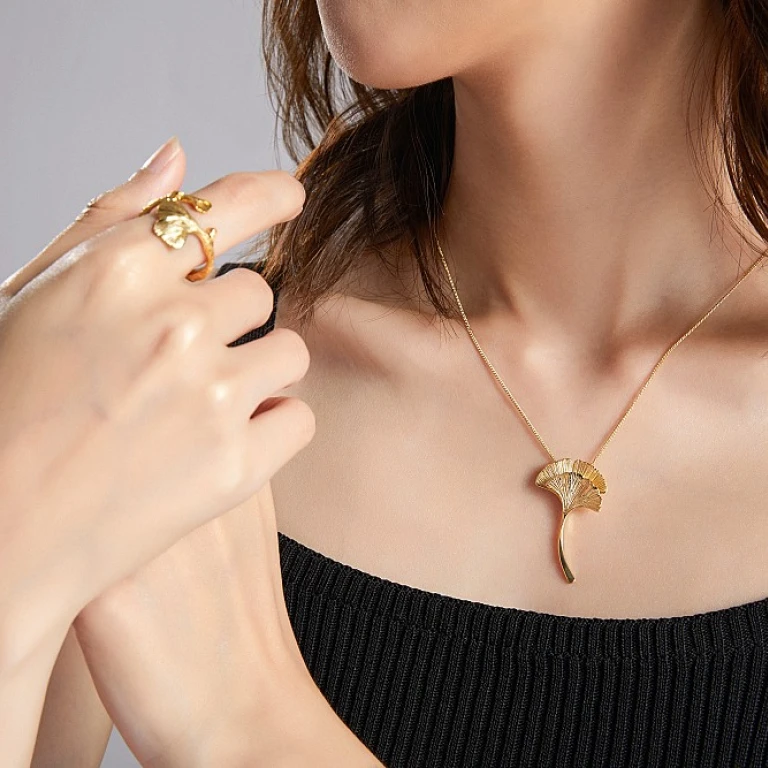
The emotional language of the flower engagement ring
A flower engagement ring speaks in a quiet, romantic language. For a fine jewelry owner, this floral engagement jewel often becomes a bridge between personal memory and enduring aesthetic pleasure. The ring translates intimate stories into a permanent metal and diamond vocabulary.
Many collectors are drawn to the way a floral ring balances softness and structure. The central diamond engagement motif, whether round cut or oval cut, is framed by petals that echo the curves of real flowers and create a sense of movement. This nature inspired architecture allows engagement rings to feel both sculptural and deeply sentimental.
When you select a flower engagement ring, you are also choosing how it will sit within your existing designs. Some prefer a single gold ring with a delicate floral inspired halo, while others commission full ring set ensembles that pair engagement ring and wedding band in coordinated floral designs. In each case, the engagement becomes a daily ritual of wearing a miniature garden on the hand.
Collectors often debate whether a round diamond or an oval diamond better suits a flower engagement composition. A round cut stone creates a classic daisy like profile, while an oval cut or pear cut can elongate the finger and lend a more vintage mood. Marquise cut accents can be arranged as leaves, turning the floral engagement motif into a complete botanical vignette.
The emotional power of a flower engagement ring also lies in its color story. White gold, yellow gold, and rose gold each cast a different light on the floral ring silhouette and on any lab grown or mined diamond at its center. Choosing between these metals is less about trend and more about how the ring harmonizes with your skin tone and existing gold ring collection.
Design architecture and proportion in floral engagement rings
For the seasoned collector, the success of any flower engagement ring rests on proportion. The relationship between the central diamond engagement stone, the surrounding petals, and the shank determines whether the ring feels airy or heavy on the hand. A refined floral engagement jewel should appear balanced from every angle, even when viewed in profile.
Design decisions begin with the main cut of the stone. A round cut diamond naturally suits a symmetrical floral ring, while an oval cut or pear cut can be rotated to create a more dynamic, nature inspired bloom. Marquise cut side stones often serve as leaves, and moss agate cabochons can introduce a misty, botanical depth that contrasts beautifully with crisp white diamonds.
Metal choice further shapes the design language of engagement rings. White gold emphasizes the brilliance of a lab grown or mined diamond and gives a cool, contemporary floral inspired look. Yellow gold and rose gold, by contrast, warm the overall palette and can push the engagement ring toward a vintage or antique aesthetic, especially when combined with milgrain and hand engraving.
Many fine jewelry owners now commission a coordinated ring set to frame the flower engagement centerpiece. Curved bands in white gold or yellow gold can be contoured around the petals, while a second gold ring may introduce additional floral designs or subtle pavé. This layered approach allows multiple rings to read as a single, harmonious engagement composition.
When evaluating a new floral engagement jewel, consider how it will coexist with bolder pieces such as a sculptural Cuban ring highlighted in this guide to elevating your style with the timeless Cuban ring. The contrast between a structured band and a soft flower engagement motif can create a sophisticated dialogue on the hand. Thoughtful curation ensures that every ring, from minimalist bands to ornate engagement rings, contributes to a coherent personal design narrative.
Metal palettes, gemstones, and the role of lab grown diamonds
Metal color is one of the most powerful tools when shaping a flower engagement ring. White gold offers a neutral canvas that highlights the precision of a round cut or oval cut diamond and keeps the floral ring feeling crisp. Yellow gold introduces a sunlit warmth that can make a floral engagement jewel appear vintage even when the design is contemporary.
Rose gold has become a favored choice for collectors who want a romantic, nature inspired mood. The soft blush tone of rose gold echoes the petals of real flowers and flatters many skin tones, especially when paired with a central diamond engagement stone and smaller white diamonds in the halo. When combined with marquise cut and pear cut accents, the result is a floral inspired composition that feels both modern and nostalgic.
Lab grown diamonds now play a significant role in high level engagement rings. A lab grown diamond can offer exceptional clarity and size within a given budget, allowing more elaborate floral designs without compromising on quality. Many fine jewelry owners appreciate the traceability of lab grown stones, particularly when they are set in white gold or yellow gold to emphasize their brightness.
Alternative gems such as moss agate bring a different kind of poetry to the flower engagement category. The internal inclusions of moss agate resemble tiny landscapes, which pair beautifully with nature inspired metalwork and floral ring motifs. When framed by a halo of small round diamonds in a gold ring, moss agate can transform a classic engagement ring into a one of a kind art jewel.
As you refine your collection, consider how your flower engagement ring interacts with other pieces, such as a timeless silver bracelet discussed in this article on why a silver Cuban link bracelet is a timeless addition. The cool sheen of silver beside white gold or the warmth of yellow gold can create layered contrasts. This interplay of metals, cuts, and gemstones ensures that your engagement rings feel integrated within a broader, thoughtfully curated fine jewelry wardrobe.
Curating ring sets and ready to ship versus bespoke creations
For many fine jewelry owners, the question is not whether to own a flower engagement ring but how to integrate it into a broader ring set. A carefully planned ensemble can include the central engagement ring, a contoured wedding band, and one or two stacking rings that echo the floral engagement motif. This approach allows you to adjust the visual impact of your rings from day to evening.
Ready to ship designs offer immediacy and clarity. You can evaluate the exact round cut, oval cut, or pear cut diamond, the precise shade of white gold or yellow gold, and the overall floral inspired silhouette before committing. Ready ship options are particularly appealing when you want a floral ring to mark a specific engagement date or anniversary without the lead time of full customization.
Bespoke creations, however, allow you to create a flower engagement jewel that reflects your personal narrative. You might specify a moss agate center framed by marquise cut diamonds, or request a rose gold shank with hand engraved petals and a lab grown diamond at the heart. In such designs, every curve of the gold ring and every stone in the ring set is calibrated to your aesthetic and lifestyle.
When building a collection, consider how multiple engagement rings can coexist. A bold floral engagement piece in white gold might be reserved for formal occasions, while a more understated nature inspired ring in yellow gold becomes your daily companion. Over time, these rings form a visual diary of your evolving taste and milestones.
As you refine your curation, you may also look beyond rings to complementary pieces such as sculptural earrings, as explored in this feature on elevating your fine jewelry collection with exquisite earrings. Coordinating a flower engagement ring with other floral inspired or geometric jewels creates a cohesive aesthetic. The goal is a collection where every engagement ring, gold ring, and accessory feels intentional rather than incidental.
Wearability, care, and long term preservation of floral designs
Owning a flower engagement ring as a fine jewelry collector involves more than admiring its beauty. The openwork petals, raised prongs, and intricate floral ring details require thoughtful wear to preserve their integrity. Daily habits should be adjusted so that the engagement ring remains pristine for decades.
High relief petals around a round cut or oval cut diamond can be vulnerable to knocks. When wearing a substantial floral engagement jewel in white gold or yellow gold, it is wise to remove the ring for activities that involve impact or abrasion. This is especially important for designs that incorporate marquise cut or pear cut stones as leaves, since their pointed tips can be more exposed.
Cleaning routines should respect both the metal and the stones. A lab grown or mined diamond engagement center can usually be cleaned with mild soap and a soft brush, but moss agate and other more delicate gems may require gentler handling. Rose gold, white gold, and yellow gold each benefit from periodic professional inspections to ensure prongs around the flower engagement motif remain secure.
Storage also plays a crucial role in preserving engagement rings. Each gold ring or ring set should be kept in a separate compartment to prevent scratching between diamonds and metal surfaces. For collectors who rotate multiple engagement rings, including several floral inspired designs, a structured storage system helps maintain both order and condition.
Over time, patina can enhance the character of vintage style floral engagement pieces. Fine jewelry owners often appreciate how subtle wear softens sharp edges on a floral ring and deepens engraving in rose gold or yellow gold. With regular care, your flower engagement ring will age gracefully, retaining the crisp sparkle of its round cut or oval cut stones while gaining the quiet authority of a well loved heirloom.
Styling a flower engagement ring within a sophisticated collection
Styling a flower engagement ring within an established fine jewelry collection is an exercise in balance. The romantic softness of a floral engagement jewel must harmonize with bolder, more architectural pieces. Many collectors enjoy pairing a delicate floral ring with a strong gold ring on an adjacent finger to create visual tension.
Metal coordination remains central to this styling strategy. A white gold flower engagement ring with a round cut diamond can be paired with sleek white gold bands for a monochrome effect, or contrasted against yellow gold stacking rings for a richer palette. Rose gold floral inspired designs often sit beautifully beside warm toned bracelets and necklaces, creating a cohesive, nature inspired glow.
Stone shape also influences how engagement rings interact with the rest of your jewelry. A central oval cut or pear cut diamond tends to elongate the hand, while a round cut or marquise cut arrangement feels more compact and playful. Moss agate centers introduce a more introspective mood, especially when framed by small lab grown diamonds that echo dew on petals.
For collectors who own multiple engagement rings, rotation becomes a form of self expression. A bold, vintage style floral engagement piece in yellow gold might be reserved for evening events, while a minimalist white gold ring set with a single round diamond becomes the daily engagement ring. This flexibility allows your flower engagement jewels to adapt to different contexts without losing their symbolic meaning.
Ultimately, the goal is to create a dialogue between all your pieces, from engagement rings to bracelets and necklaces. Thoughtful combinations ensure that each floral ring, each gold ring, and each carefully chosen stone contributes to a coherent aesthetic story. In this way, the flower engagement ring transcends its role as a single object and becomes a central chapter in the ongoing narrative of your fine jewelry collection.
Key statistics on fine jewelry and engagement preferences
- Global fine jewelry sales continue to grow steadily, with engagement rings representing a significant share of total revenue.
- Round cut diamonds remain the most requested shape for engagement rings, followed closely by oval cut stones.
- White gold and yellow gold together account for the majority of engagement ring metal choices among collectors.
- Lab grown diamonds have gained notable market share in the engagement category, particularly among younger buyers.
- Floral inspired and nature inspired designs show consistent demand in bespoke engagement commissions.
Questions fine jewelry owners often ask about flower engagement rings
How do I choose the right metal for my flower engagement ring ?
Select the metal by considering skin tone, existing jewelry, and lifestyle. White gold emphasizes brilliance and pairs well with contemporary wardrobes, while yellow gold and rose gold offer warmth and a more vintage mood. Fine jewelry owners often match their flower engagement ring to their most worn gold ring or bracelet for effortless coordination.
Are lab grown diamonds suitable for high end floral engagement designs ?
Lab grown diamonds are well suited to sophisticated floral engagement pieces. They offer excellent clarity and size options, which can enhance intricate petal work and halos around round cut or oval cut centers. Many collectors appreciate their traceability and use them alongside mined stones within the same ring set.
What stone shapes work best in a flower engagement composition ?
Round cut diamonds are classic for daisy like motifs, while oval cut and pear cut stones create more elongated, romantic blooms. Marquise cut accents often serve as leaves, framing the central stone in a nature inspired arrangement. Moss agate and other colored gems can be used as centers when a softer, more artistic floral ring is desired.
How can I safely wear an intricate floral ring every day ?
Daily wear is possible if you adapt your habits to protect the petals and prongs. Remove the flower engagement ring for activities involving impact, abrasion, or strong chemicals, and schedule regular professional inspections. Proper storage in individual compartments also prevents damage when rotating multiple engagement rings.
Should my wedding band match my flower engagement ring exactly ?
A perfect match is not mandatory, but harmony is essential. Many fine jewelry owners choose a contoured band in the same metal that echoes the floral engagement motif without copying it. This approach allows the engagement ring to remain the focal point while the ring set reads as a unified, thoughtfully designed whole.
