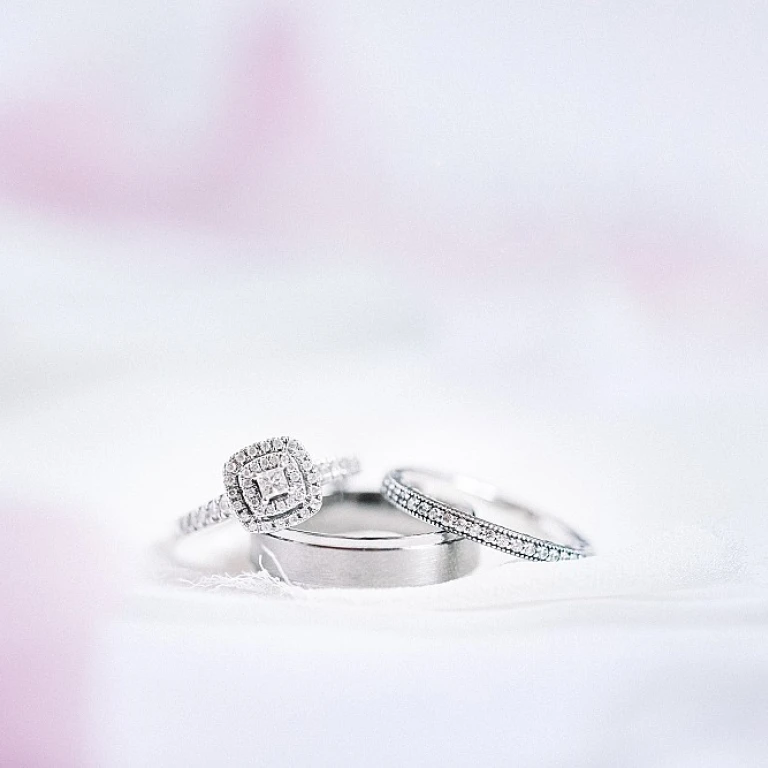
Understanding the allure of a five carat diamond ring
Owning a five carat diamond ring signals a rare level of refinement. The scale of the diamond, the precision of the cut, and the harmony of the setting create a presence that few other rings can match. For a fine jewelry owner, such a piece becomes both a personal signature and a long term store of value.
At this size, every aspect of the diamond and the surrounding stones is magnified, so carat, clarity, color, and cut must be evaluated with particular rigor. A five carat diamond with weak clarity or a poorly executed cut will show its flaws immediately, while an excellent cut diamond with balanced color can appear brighter and even larger than its carat weight suggests. This is why many collectors compare several diamonds side by side, including both natural diamond and lab grown options, before committing to a single diamond ring of this importance.
The emotional dimension is equally significant, especially when the piece is chosen as an engagement ring or as part of a suite of diamond rings. A five carat diamond ring often marks a milestone, whether it is an engagement, an anniversary, or a personal achievement that you will celebrate privately. Because these rings carry such meaning, owners tend to be more involved in every design decision, from the choice between white gold and yellow gold to the selection of side stones, halo accents, or a hidden halo beneath the main carat diamond.
Evaluating carat, cut, and clarity at the five carat scale
When a diamond reaches the five carat threshold, carat weight interacts with cut and clarity in more complex ways. A five carat diamond ring with an exceptional cut diamond will often outshine a heavier stone whose proportions leak light and dull the face up appearance. For owners, this means that the perceived size of the diamond depends as much on the cut as on the stated carat weight.
Round brilliant diamonds remain the benchmark for light performance, and a five carat round brilliant can deliver extraordinary fire when the cut grade is excellent. However, elongated shapes such as emerald cut and cushion cut diamonds can make a five carat diamond appear even more commanding on the finger, especially when paired with a refined engagement ring setting. In these shapes, clarity becomes more visible, so a grown diamond or natural diamond with higher clarity grades is often preferred, particularly in emerald cut and carat emerald designs.
Price escalates sharply at this level, and the difference between carat diamonds of similar weight but different cut quality can be dramatic. Owners comparing natural diamond and lab grown diamond options for a five carat diamond ring should study detailed grading reports and, ideally, examine the stones in person. For a deeper perspective on how carat weight influences value, many collectors refer to specialized analyses such as this guide to the cost structure of a four carat diamond ring, then extrapolate to the five carat range.
Choosing between natural diamond and lab grown for significant carat weight
The decision between a natural diamond and a lab grown diamond becomes particularly strategic at five carats. A natural diamond of this size is rare, and the price reflects geological scarcity as well as market demand for important diamond rings. By contrast, a lab grown stone of equivalent carat, color, and clarity can offer a more accessible price while still delivering impressive visual impact.
Owners who prioritize traceability and environmental considerations often gravitate toward lab grown diamonds, especially when planning multiple engagement rings or statement rings. A five carat lab grown diamond ring can free budget for more elaborate settings, such as a halo with graduated side stones or a hidden halo that frames the pavilion. Others prefer the historical romance of a natural diamond, valuing the idea that their five carat diamond has formed over immense geological timescales.
Both grown diamond and natural options can be set in white gold, yellow gold, or platinum, and each metal will influence the perceived color of the stones. For example, a near colorless carat diamond may appear slightly warmer in yellow gold, while white gold can emphasize the icy brightness of higher color grades. Collectors who enjoy exploring alternative gemstones alongside diamonds sometimes pair their important diamond ring with more poetic pieces, such as those highlighted in this article on the allure of moonstone jewelry, creating a versatile and emotionally rich jewelry wardrobe.
Settings, halos, and side stones that flatter a five carat diamond
The setting of a five carat diamond ring must balance aesthetics, comfort, and security. A classic solitaire engagement ring emphasizes the single carat diamond, while a halo or hidden halo can increase finger coverage and enhance brilliance. For many fine jewelry owners, the choice of setting becomes a way to express personal style without compromising the integrity of the diamond.
Emerald cut and cushion cut diamonds often benefit from tapered baguette side stones, which elongate the hand and create a refined architectural look. Round brilliant diamonds, whether natural or lab grown, pair beautifully with pavé diamond rings that add sparkle along the band without overwhelming the central five carat stone. In each case, the metal choice, whether white gold or another alloy, will influence how the color and clarity of the main diamond and the surrounding carat diamonds are perceived.
Those who commission bespoke engagement rings at this scale frequently explore mixed settings, combining a delicate halo with structural prongs and a discreet hidden halo beneath the crown. This layered approach allows the five carat diamond to remain the focal point while the supporting stones and rings add depth and texture. For owners interested in sustainability, integrating recycled diamonds and metals into the side stones or band can align a five carat diamond ring with broader values, as discussed in this analysis of how recycled diamonds are reshaping fine jewelry.
Color, white metals, and the character of large engagement rings
Color nuances become highly visible in a five carat diamond, especially in white metal settings. When a diamond ring is crafted in white gold or platinum, any warmth in the color grade will contrast with the cool tone of the metal. Owners who prefer an icy aesthetic often select higher color grades for their five carat diamond ring, particularly for round brilliant and emerald cut diamonds.
In contrast, slightly lower color grades can be very flattering in yellow or rose gold engagement rings, where the overall effect feels softer and more romantic. A cushion cut or carat round diamond with a gentle warmth can appear harmonious in such settings, especially when framed by matching side stones or a halo of smaller diamonds. The key is to evaluate the carat diamond in the exact metal and setting style you will ultimately wear, because the interplay of color, clarity, and cut diamond proportions defines the final impression.
For owners managing a collection of diamond rings, maintaining consistency of color among major pieces can be important, particularly when stacking rings or pairing an engagement ring with multiple bands. A five carat diamond ring with a strong white appearance will coordinate easily with other high color carat diamonds, whether natural or lab grown. Thoughtful alignment of color, metal, and design ensures that each five carat piece enhances the others rather than competing visually within your curated selection of rings.
Long term care, value, and legacy of a five carat diamond ring
A five carat diamond ring is not only a jewel for today but also a future heirloom. Regular professional inspections of the prongs, halo, hidden halo, and side stones are essential, because the weight of a five carat diamond places continuous stress on the setting. Owners should schedule maintenance at least once a year to ensure that the carat diamond and any additional diamonds remain secure.
From a value perspective, both natural diamond and lab grown stones require proper documentation, including grading reports that detail carat, color, clarity, and cut. These records support insurance appraisals and facilitate informed decisions if you ever adjust your collection of engagement rings or diamond rings. While market dynamics will influence price over time, a well chosen five carat diamond ring with balanced characteristics and a timeless setting will retain strong desirability among connoisseurs.
Thoughtful storage also matters, particularly when you own multiple high carat diamonds and rings. Each diamond ring should be kept in an individual compartment to prevent the hard diamond facets from scratching other stones or metals, especially softer gold alloys. With attentive care, your five carat diamond, whether an emerald cut, cushion cut, carat emerald, or carat round, will continue to express its brilliance and emotional significance for generations.
Key statistics about large diamond rings
- Average finger coverage of a well cut five carat round brilliant diamond can exceed 11 mm in diameter, significantly larger than typical engagement stones.
- Price jumps between carat brackets are often steeper above three carats, making five carat diamonds disproportionately more valuable than smaller stones of similar quality.
- Market surveys show that elongated shapes such as emerald cut and cushion cut have gained share among high carat engagement rings, reflecting a preference for finger lengthening silhouettes.
- Insurance appraisals for important diamond rings frequently recommend coverage equal to full replacement value, including custom setting and side stones.
Questions fine jewelry owners often ask
How wearable is a five carat diamond ring for daily life ?
A five carat diamond ring can be worn daily if the setting is well engineered, with secure prongs and a low to medium profile. Many owners reserve such rings for selected occasions, balancing enjoyment with preservation. Ultimately, lifestyle and comfort will guide how often you choose to wear this scale of diamond ring.
Is a lab grown five carat diamond suitable for an engagement ring ?
A lab grown five carat diamond can be an excellent choice for an engagement ring, offering impressive presence at a more accessible price. Quality grading for carat, color, clarity, and cut follows the same principles as for a natural diamond. The decision rests on your values, budget, and how you prioritize rarity versus size and design.
Which shapes are most flattering for a five carat diamond ?
Round brilliant diamonds maximize light return, while emerald cut, cushion cut, and other elongated shapes can make the five carat weight appear even larger. The best shape depends on finger proportions, personal style, and whether you prefer structured or more romantic silhouettes. Trying on different engagement rings with similar carat diamonds is the most reliable way to judge.
How important is clarity in a five carat diamond ?
Clarity is critical at five carats because the larger surface area makes inclusions easier to see. Step cuts such as emerald cut and carat emerald require especially careful clarity selection, while brilliant cuts can mask minor inclusions more effectively. Aim for a clarity grade where inclusions are not visible to the naked eye in your preferred diamond ring shape.
What metal works best with a five carat diamond ring ?
White gold and platinum emphasize a bright, white appearance, while yellow or rose gold create a warmer, more vintage inspired mood. The ideal metal depends on the color grade of your carat diamond and the rest of your jewelry wardrobe. Many owners choose white metals for their primary engagement rings and complement them with colored gold bands and stacking rings.
