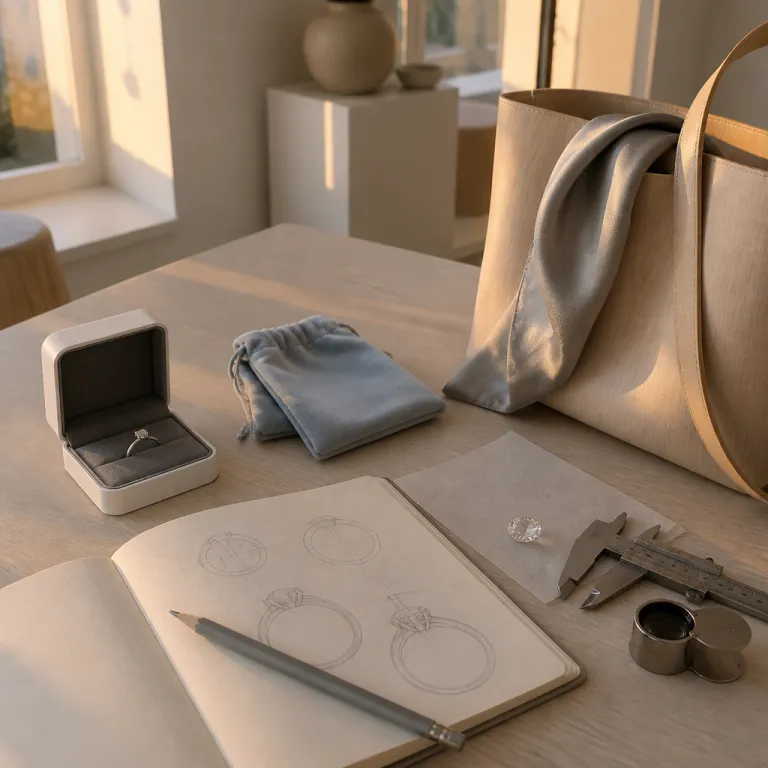
Why the women self-purchase fine jewelry trend is eclipsing the gift market
Women are no longer waiting for someone else to buy jewelry for them. Across every age group of jewelry consumers, self-directed buying behavior is outpacing traditional gifting, especially for women with established careers and clear personal style. This women self-purchase fine jewelry trend is reshaping how brands design, price, and present every fine piece from rings to watches.
When a woman chooses to buy jewelry for herself, the decision is rarely impulsive. She compares diamonds and colored stones, weighs metal alloys, and evaluates how each fine jewelry design will integrate into her existing wardrobe rather than sit in a safe for a single special occasion. Quiet luxury has replaced logo-driven status, so many jewelry consumers now prefer discreet craftsmanship, traceable sourcing, and pieces that feel intimate instead of performative.
Recent survey data from major auction houses and specialist consultancies show that women now represent roughly a third or more of high-value purchasers in several categories, including important diamonds and signed vintage watches. For example, Christie’s reported in 2022 that women bidders accounted for more than 35% of buyers in select jewelry sales, while Bain & Company has highlighted the growing influence of female self-purchasers in the global luxury market.12 These self-directed purchasers tend to research every jewelry purchase more deeply, reading gemological reports, understanding cut proportions, and asking harder questions about origin and treatment. As a result, the average jewelry buy made by a woman for herself is often smaller in carat weight but higher in overall quality, with a stronger focus on how the piece will feel on the body every day.
From special occasion to everyday armor: how design is changing
The women self-purchase fine jewelry trend is pushing designers to prioritize comfort, versatility, and subtle authority over theatrical sparkle. Instead of heavy statement necklaces reserved for a single special occasion, self-directed buyers want a fine jewelry piece that can move from client meeting to late dinner without needing to be removed. This shift means slimmer profiles, lower settings for diamonds, and more thoughtful engineering of clasps, hinges, and bracelet articulation.
Professional women who buy jewelry for themselves often treat it as a wardrobe of daily armor rather than a box of trophies. They will buy jewelry that layers elegantly with a watch, a slim chain, and perhaps a silver Cuban link bracelet chosen as a timeless fine jewelry staple instead of a single overpowering piece. For this group of jewelry consumers, the emotional return comes from how the jewelry makes them feel at 08:00 on a Monday, not only at a gala once a year.
Design studios now study how different gen cohorts of purchasers stack rings, mix metals, and integrate watches into their daily look before finalizing a new collection. In interviews, creative directors at contemporary houses such as Spinelli Kilcollin and Jessica McCormack have noted that their female clients increasingly request pieces that can be worn “from the school run to the boardroom” without compromise, a phrase echoed in multiple industry panels between 2020 and 2023.3 They see that women who buy jewelry for themselves prefer pieces that can be reconfigured — a ruby band that stacks with a diamond eternity ring, or a third slim gold ring that can migrate from index finger to thumb. The result is a new generation of fine jewelry that is lighter, more modular, and more attuned to the realities of laptops, handshakes, and constant movement.
Stackable bands and the right-hand ring: a new language of autonomy
Nothing captures the women self-purchase fine jewelry trend more clearly than the rise of stackable bands and right-hand rings. Where the left hand once signaled relationship status, the right hand now broadcasts personal priorities, career milestones, and quiet rebellions against outdated expectations. A woman might mark a promotion with a fine ruby band, then later add a diamond pavé ring to the same stack when she changes industry or city.
Stackable bands have become the preferred format for many jewelry consumers because they allow each jewelry purchase to stand alone yet also converse with earlier choices. One year it might be a knife-edge gold band, the next a channel-set row of baguette diamonds, and later a sculptural bubble band ring that subtly references contemporary design — a style explored in depth in this analysis of modern bubble band fine jewelry. Each piece is a chapter, but the full stack reads like a personal memoir written in metal and light.
The right-hand ring tradition, once framed as a symbol of independence for a narrow group of purchasers, has broadened into a flexible canvas for every gen of self-directed buyers. Some women buy jewelry in the form of a single substantial right-hand ring with a notable ruby or old-cut diamond, while others prefer multiple slender bands that can be rearranged depending on mood. In both singular and plural expressions, these fine jewelry choices are less about external validation and more about how the wearer wants to feel in her own skin.
Asymmetric ears, layered wrists: styling as self-authored narrative
The women self-purchase fine jewelry trend has also liberated the ear and wrist from strict symmetry. Single earrings, mismatched studs, and asymmetric hoops allow jewelry consumers to treat each ear as a separate canvas, often pairing a diamond huggie on one side with a ruby drop or sculptural ear cuff on the other. This kind of buying pattern rarely comes from a gift giver; it comes from a wearer who knows exactly which angles of her face she wants to highlight.
Layered wrists tell a similar story, where watches and bracelets now coexist as equals rather than competitors. A slim mechanical watch might sit beside a fine jewelry chain, a third slender bangle, and a personal talisman bracelet that marks a specific year or life shift, all chosen through deliberate self-purchase rather than received as a single special occasion gift. Women who buy jewelry for themselves often prefer this plural, textural approach because it lets them edit the story daily without needing to overhaul their entire collection.
Retailers tracking this group of purchasers report that single earrings and individual bracelets are increasingly sold as standalone pieces, not only as parts of matched sets. In 2021, several global luxury groups noted double-digit growth in women’s self-purchased jewelry, particularly in categories such as studs, huggies, and slim bangles, in their annual results presentations.4 That shift in jewelry buy behavior reflects a deeper move toward personal authorship, where each jewelry purchase is a word in a visual sentence the wearer writes for herself. The result is a more nuanced, less predictable landscape of fine jewelry styling, where meaning is layered as deliberately as metal and stones.
Intentional collecting and investment: why self-purchased pieces endure
Women driving the self-purchase shift tend to approach fine jewelry as a long-term collection rather than a series of disconnected treats. Before they buy jewelry, many will conduct their own survey of auction archives, retail pricing, and gemological reports to understand how different diamonds, rubies, and signed watches have held value over time. This research-heavy buying style means each piece is chosen to work hard aesthetically and financially, not just to satisfy a passing mood.
Because the decision to purchase is personal, these jewelry consumers usually feel a deeper attachment to the pieces they select for themselves. They might allocate a third of their annual discretionary budget to one important fine jewelry acquisition, then spend the rest of the year adding smaller bands or studs that complement it. Over time, this creates a coherent group of pieces where every jewelry purchase has a role, whether as a daily signature ring or a more special occasion jewel reserved for key negotiations or ceremonies.
From an investment perspective, self-purchasers across every gen cohort often prefer fewer but better pieces, choosing fine diamonds with strong cut quality, unheated rubies with documented origin, or mechanical watches with serviceable movements instead of fashion-driven novelties. Auction records from houses such as Sotheby’s and Phillips show that well-cut diamonds and signed vintage watches have held or increased value over the past decade, reinforcing this preference.5 They understand that a thoughtful jewelry buy is not only about the resale market but about how the piece will feel on the hand or wrist decades from now. In the end, the women self-purchase fine jewelry trend is less about the carat count and more about the fire in the stone.
Building a personal visual vocabulary with stackable bands
Within this broader women self-purchase fine jewelry trend, stackable bands deserve special attention as a tool for building a personal visual vocabulary. A single band can mark a promotion, a move, or a private victory, while plural stacks can chart an entire career across a decade or more. Because each jewelry purchase is relatively contained, women feel free to experiment with proportions, textures, and stones without committing to a single dominant piece.
Many jewelry consumers now start with a fine jewelry essential such as a slim diamond eternity ring, then gradually add colored stone bands in ruby, sapphire, or tsavorite to create a nuanced palette. Some will buy jewelry in trios — one plain metal band, one pavé diamond ring, and one textured or sculptural piece — so that any combination of two or three still feels intentional. Over time, this group of purchasers develops an instinctive sense of which stacks feel right for a board meeting, which for a special occasion dinner, and which for a quiet weekend away.
Designers responding to this demand are refining both singular and plural expressions of the stackable band concept, offering ultra-low profiles that slide easily under gloves and precisely calibrated widths that sit flush without pinching. They recognize that each jewelry buy in this category is part of a longer narrative, not an isolated impulse purchase. For the self-possessed woman building her own collection, these fine jewelry bands become punctuation marks in a life story written on her hands.
FAQ
How is the women self-purchase fine jewelry trend different from traditional gifting?
Self-purchase is driven by the wearer’s own priorities rather than someone else’s idea of what is appropriate. Women who buy jewelry for themselves focus on daily wear, versatility, and how a piece will feel in real life, while traditional gifts often emphasize spectacle or a single special occasion. This leads to more researched buying decisions, higher quality per piece, and collections that reflect personal identity instead of social expectations.
Are self-purchased pieces better investment choices than gifted jewelry?
They often are, because self-purchasers tend to study the market before making a jewelry purchase. Women driving this trend compare diamonds, colored stones, and watches across multiple sources, and they frequently consult grading reports or auction records. As a result, they are more likely to select fine jewelry with enduring design and solid underlying value rather than chasing short-lived trends.
How can I start building a stackable band collection with intention?
Begin with one or two foundational bands in metals and profiles you truly enjoy wearing every day. Add a third band with diamonds or a colored stone such as ruby once you understand how the first pieces sit together on your hand. Over time, treat each new jewelry buy as a marker of a specific moment or achievement so that your stack tells a coherent personal story.
What role do right-hand rings play in modern self-purchase behavior?
Right-hand rings have become a key symbol of autonomy within the women self-purchase fine jewelry trend. They allow women to celebrate milestones, career shifts, or personal commitments without referencing engagement or marriage traditions. Whether expressed as a single bold piece or a plural stack of slim bands, the right-hand ring signals that the wearer is the primary author of her own jewelry narrative.
Should I prioritize diamonds, colored stones, or watches when self-purchasing?
The choice depends on how you live, work, and express yourself visually. Diamonds offer versatility and durability for daily wear, rubies and other colored stones bring personality and rarity, while fine mechanical watches combine function with long-term collectability. Many jewelry consumers build a balanced group of pieces across all three categories, adding each new purchase only when it clearly strengthens the collection they already own.
1 Christie’s, “Jewels Online and Magnificent Jewels Sale Highlights,” 2022 buyer demographics summary. ↩
2 Bain & Company, “Luxury Goods Worldwide Market Study,” 2021–2022 editions, sections on female luxury purchasers. ↩
3 Designer comments referenced from public talks and interviews given by Spinelli Kilcollin and Jessica McCormack between 2020 and 2023. ↩
4 Selected 2021 annual reports and investor presentations from leading global luxury groups, jewelry and watches divisions. ↩
5 Sotheby’s and Phillips auction results archives for fine jewelry and watches, 2012–2022. ↩