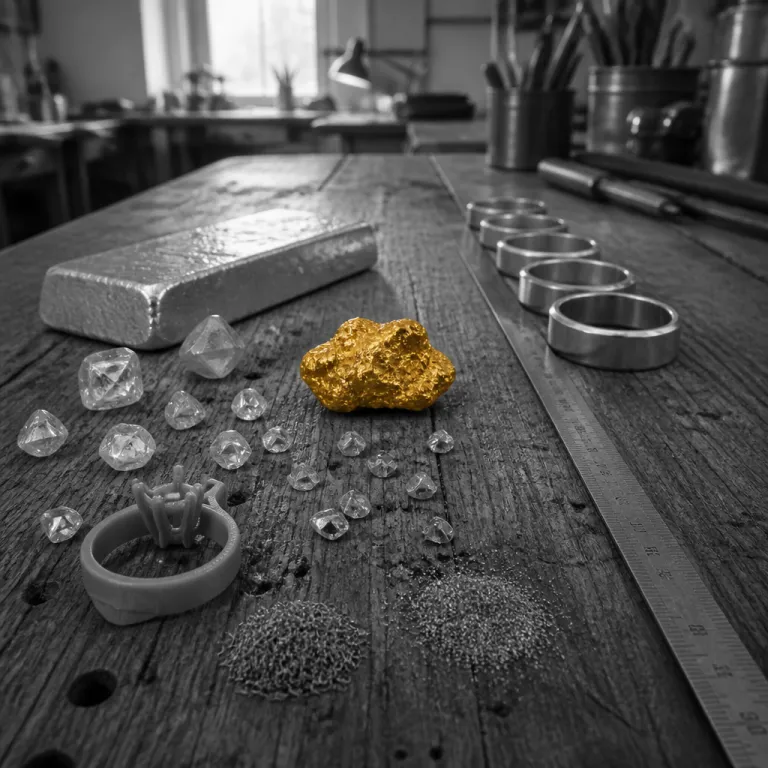
Why the custom bespoke engagement ring process feels different from buying off the shelf
A ready made ring offers instant gratification, but it rarely reflects your story. When you commit to a true custom bespoke engagement ring process, you trade speed for a piece whose proportions, stone shape, and architecture are calibrated to one person and one relationship. That shift from browsing engagement rings in a bright shop window to shaping a custom ring from sketch to final polish changes how you think about value, quality, and long term wear.
Off the shelf diamond engagement pieces are designed to suit as many wrists and hands as possible. A custom engagement ring, by contrast, begins with a conversation about lifestyle, budget, and how the ring will sit beside future wedding bands so the set reads as one coherent design. You move from asking whether a ring looks pretty in a tray to asking whether the ring design will age gracefully on your hand in ten or twenty years.
Mass produced rings prioritise repeatable settings and standard stone sizes. In a bespoke design process, you and your jeweller decide whether a single stone, a three stone layout, or a more sculptural grown diamond cluster best expresses your idea of engagement and love. The custom bespoke engagement ring process becomes less about chasing the biggest diamond and more about how each stone, each curve, and each metal line work together to create ring harmony.
From first appointment to final polish: mapping the bespoke timeline
The first step in any serious custom engagement project is a focused appointment, not a casual browse. During that meeting, a good atelier will guide you through stone shape options, from elongated oval grown diamonds to crisp emerald cut mined stones, and will quietly assess how you respond to different ring design proportions. This is where you start designing the narrative of the engagement ring rather than simply reacting to what a shop happens to have in stock.
After the initial consultation, the design process usually unfolds in clear phases. You review hand sketches or digital concepts, approve a refined custom ring design, then move to CAD renderings that show the ring perfectly from every angle, including the gallery and prong architecture that off the shelf rings often hide. Many high level workshops still create a wax or resin model so you can try the ring custom on your finger, check comfort, and adjust the height of the stone before any diamond or coloured stone is set.
From casting to setting, a quality custom rings workshop typically needs six to twelve weeks, depending on complexity. Three stone designs, intricate wedding bands that must align flush with the engagement ring, or pavé heavy diamond engagement halos all add time because each grown diamond or natural stone must be set and finished by hand. If you are planning a full bridal look that honours the ring and existing heirlooms, it is wise to align this schedule with your wider wedding styling, and resources such as this guide to building a bridal jewelry look can help you think beyond the solitaire.
Stones, metal, and money: how bespoke changes the numbers
Off the shelf pricing hides the breakdown between materials, labour, and design. In a transparent custom bespoke engagement ring process, your jeweller should separate the cost of the diamond or coloured stone, the metal for the ring, and the hours of bench work required to create ring details such as hand finished prongs or a sculpted under gallery. That clarity lets you adjust your budget intelligently instead of simply trading down in quality when a sticker price feels high.
Choosing between a mined diamond and a lab grown diamond is often the single biggest financial decision in a custom engagement commission. A high quality lab grown stone of the same carat weight and cut can cost significantly less than a comparable mined grown diamond, which frees budget for a more architectural ring design, finer wedding bands, or a more complex three stone layout. For some couples, that trade allows them to keep the overall spend similar to an off the shelf piece while upgrading craftsmanship and metal weight.
Design fees for custom rings are rarely negotiable, because they pay for the intellectual work that brings your vision life, but metal and accent grown diamonds can sometimes be scaled. You might keep the same engagement ring silhouette yet reduce pavé coverage, or choose a slightly slimmer shank while maintaining structural quality, to keep the process aligned with your financial comfort. For buyers working within a defined ceiling, curated references such as elegant engagement rings under a specific price point can be useful benchmarks before you book appointment slots and commit to a bespoke path.
What actually happens at the bench: from CAD file to heirloom
Once you sign off on the final CAD, the quiet magic of the bench begins. The file is used to create a precise model, which then forms the basis for casting your ring in platinum or gold, and this is the moment when a custom bespoke engagement ring process diverges sharply from mass produced rings that share generic moulds. A skilled goldsmith will refine every surface by hand, thinning or thickening lines so the ring will feel balanced on the finger rather than simply matching a screen rendering.
Stone setting is where quality becomes visible even to an untrained eye. In a three stone engagement ring, for example, the setter must align the centre diamond and side stones so their tables sit on the same visual plane, while prongs are angled to protect the stones without swallowing their outline or stone shape. Whether the stones are mined or lab grown diamonds, the care taken here determines how much light returns to the eye and how secure the stones remain over decades of daily wear.
Finishing is the last step, but it is where a custom engagement piece earns its place beside serious high jewelry. Edges are softened, inner shanks are polished to a mirror so the ring will slide on smoothly, and any pavé is checked under magnification for gaps or over polished beads. If you are commissioning wedding bands to sit with the engagement ring, this is also when the jeweller tests the fit so the set locks together ring perfectly, rather than spinning or grinding against each other over time.
Choosing the right jeweller, and what bespoke means for long term value
Not every workshop offering a custom ring service is equipped for true bespoke work. When you review portfolios, look for varied engagement rings that show control over different stone shapes, from knife edge solitaires to low set three stone designs, and avoid shops where every engagement ring looks like a minor variation on the same stock mount. A serious bench will show close up images of prongs, galleries, and wedding bands, because they know connoisseurs judge quality in those quiet details.
Resale value for custom rings is more nuanced than for iconic off the shelf designs from major maisons. A bespoke diamond engagement piece built around a classic round brilliant or oval grown diamond in balanced proportions will generally hold value better than an extremely idiosyncratic ring design that only suits one taste. If future liquidity matters to you, keep the core architecture timeless and let the custom engagement story live in subtler choices such as metal mix, under gallery motifs, or a hidden stone that only you will see.
For collectors who care as much about narrative as about carat weight, bespoke work can be especially compelling. High jewelry houses have long used storytelling to frame their creations, as seen in collections that build entire mythologies around a single stone, and you can take a similar approach by anchoring your own ring custom project in a place, a memory, or a shared obsession. In the end, what you are commissioning through the custom bespoke engagement ring process is not just a ring but a small piece of your shared history in metal and light, and its real value lies not in the carat count but in the fire in the stone.
FAQ
How long does a custom bespoke engagement ring process usually take ?
For a well executed custom engagement ring, you should allow six to twelve weeks from first appointment to final collection. Simpler solitaire rings with a single diamond or lab grown stone can sit at the shorter end, while intricate three stone layouts or matching wedding bands push the timeline longer. Rushing this process risks compromises in setting quality and finishing that you will notice every day on your hand.
Is a lab grown diamond suitable for a high end custom ring ?
A high quality lab grown diamond can be entirely appropriate for a serious custom ring, provided it is graded by a respected laboratory and cut well. Many couples choose lab grown stones so they can allocate more budget to craftsmanship, metal weight, or a more ambitious ring design. The emotional meaning of the engagement ring comes from the commitment it represents and the care taken in its creation, not from the geological origin of the stone.
How does the cost of bespoke compare with off the shelf rings ?
A bespoke engagement ring usually costs more than an off the shelf piece with similar carat weight, because you are paying for individual design work and bench time. However, the ability to control every element of the design process means you can prioritise what matters most, whether that is a larger centre stone, finer metalwork, or coordinating wedding bands. Over a lifetime of wear, many owners find that the extra initial cost feels justified by daily satisfaction and better long term durability.
What should I prepare before my first custom design appointment ?
Before you book appointment time with a jeweller, clarify your budget range, preferred metal colour, and any non negotiable elements such as stone shape or ring profile height. Collect reference images of engagement rings and wedding bands you like, noting what draws you in, whether it is a three stone layout, a knife edge shank, or a particular pavé style. Arriving with this clarity helps the jeweller guide the custom bespoke engagement ring process efficiently and align the design with how you actually live and wear jewelry.
Will a very personal custom design hurt future resale value ?
Highly specific custom rings can be harder to resell than classic designs, because they appeal to a narrower audience. If potential resale matters, keep the core elements such as stone shape, proportions, and metal colour relatively timeless, and express personal symbolism in more discreet details. That way, the engagement ring remains both deeply personal for you and broadly attractive should it ever re enter the market.