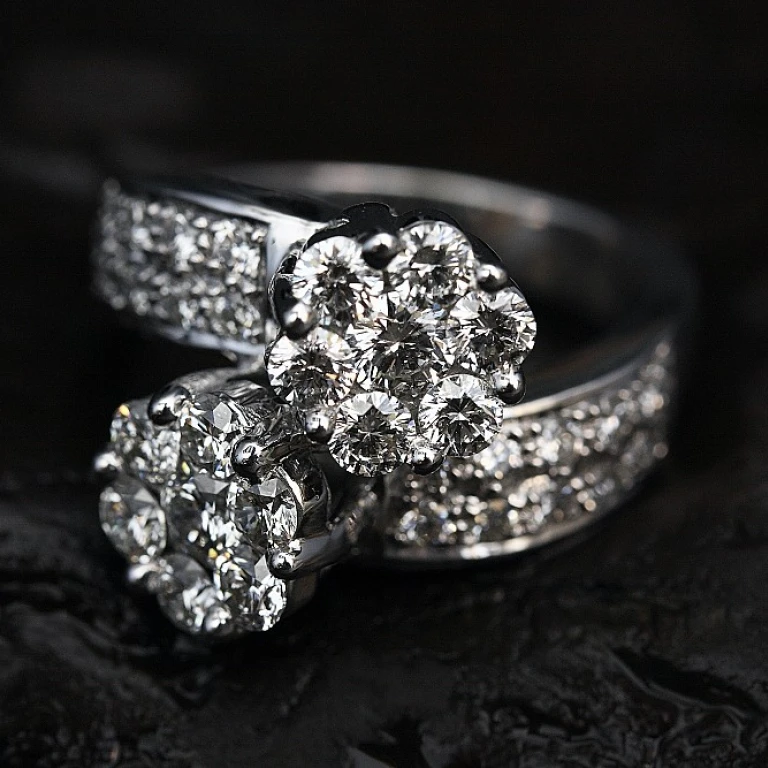
What is diamond fluorescence and why does it matter?
Understanding the Glow: The Science Behind Diamond Fluorescence
Diamond fluorescence refers to the visible light some diamonds emit when exposed to ultraviolet (UV) rays. This phenomenon is most commonly observed under black light, where certain diamonds display a blue, yellow, or even greenish glow. The presence and intensity of fluorescence are due to trace elements within the diamond’s crystal structure, which react to UV light in the environment.
For fine jewelry owners, understanding diamond fluorescence is essential. It can influence both the visual appeal and the perceived value of a diamond. While not every diamond exhibits this trait, it is a recognized characteristic in the grading process and is noted on diamond certificates from reputable gemological laboratories.
- Prevalence: According to the Gemological Institute of America (GIA), about 25–35% of diamonds display some degree of fluorescence, most often blue.
- Grading: Fluorescence is graded from "None" to "Very Strong" on lab reports, providing transparency for buyers and collectors.
- Impact: The effect of fluorescence can range from negligible to significant, depending on the diamond’s color and clarity.
Why does this matter for your collection? The presence of fluorescence can subtly alter a diamond’s appearance, sometimes enhancing its beauty or, in rare cases, detracting from it. This makes it a key consideration when selecting stones for investment or personal enjoyment. For those interested in colored diamonds, understanding fluorescence is also relevant, as it can interact with a stone’s hue in unique ways. If you’re exploring the world of rare colored gems, you might also find value in learning about the investment value of a pink diamond necklace.
As we explore further, you’ll discover how fluorescence can influence a diamond’s appearance, its market value, and what to consider when adding fluorescent diamonds to your fine jewelry collection.
How diamond fluorescence influences a diamond’s appearance
Visual Effects of Fluorescence Under Different Lighting
Diamond fluorescence refers to the visible glow some diamonds emit when exposed to ultraviolet (UV) light. This phenomenon can have a subtle or noticeable impact on how a diamond looks, especially in environments with strong UV sources, such as sunlight or certain indoor lighting. The most common color emitted is blue, but other hues like yellow or green can also appear, depending on the diamond’s composition.
How Fluorescence Alters Perceived Color and Brilliance
Fluorescence can influence a diamond’s appearance in several ways. In some cases, a diamond with medium to strong blue fluorescence may appear whiter or brighter, particularly if the stone has a slight yellow tint. This effect can enhance the visual appeal of diamonds in the near-colorless or faint yellow range. However, in rare instances, very strong fluorescence may cause a diamond to look hazy or oily, slightly diminishing its transparency and brilliance.
- Blue fluorescence can mask yellowish tones, making lower color grade diamonds appear more colorless.
- Strong fluorescence may sometimes create a milky or cloudy look, especially in high-clarity stones.
- Most diamonds with faint or medium fluorescence show no visible difference in normal lighting conditions.
Fluorescence and Fine Jewelry Design Choices
For fine jewelry owners, understanding how fluorescence interacts with diamond color and light is essential when selecting stones for rings, necklaces, or earrings. Some collectors specifically seek out diamonds with fluorescence for their unique glow, while others prefer stones without it for a more classic appearance. The choice often depends on personal taste and the intended use of the jewelry piece.
As the fine jewelry industry evolves, there is growing interest in sustainable practices and unique diamond characteristics. For those curious about how modern trends intersect with traditional values, exploring the impact of recycled diamonds can offer valuable insights into the broader context of diamond selection and ownership.
Evaluating the value: does fluorescence affect price?
Market Trends and Price Implications
When evaluating the value of diamonds, fluorescence often emerges as a nuanced factor. The presence of fluorescence, especially in fine jewelry, can influence both perception and price, but not always in predictable ways. Understanding how fluorescence interacts with other diamond characteristics is essential for collectors and owners.
- Market Preferences: In the current market, diamonds with strong fluorescence are sometimes priced lower than their non-fluorescent counterparts, particularly in higher color grades (D-F). This is due to concerns that strong fluorescence may cause a milky or hazy appearance under certain lighting conditions. However, for diamonds in the near-colorless range (G-J), faint to medium fluorescence can actually enhance visual appeal by masking yellowish tones, making them appear whiter.
- Resale and Investment: For those considering diamonds as an investment, it’s important to note that resale values may be affected by fluorescence. Some buyers actively seek out stones with no fluorescence, while others appreciate the unique glow that fluorescence can provide. The impact on price is typically more pronounced in higher color grades, where buyers are more particular about every aspect of the stone.
- Certification and Transparency: Reputable grading reports from institutions like the GIA will always note the presence and strength of fluorescence. This transparency helps buyers make informed decisions and ensures that the value of the diamond is accurately reflected in its price.
For collectors and fine jewelry owners, understanding these market dynamics is key. Fluorescence is neither inherently an asset nor a liability; its impact depends on the interplay of color, clarity, and personal preference. If you’re interested in how other colored gemstones can influence value and desirability, explore the vibrant allure of spessartine garnet jewelry for discerning collectors.
| Fluorescence Strength | Typical Price Impact | Best Color Grades |
|---|---|---|
| None to Faint | No significant effect | All |
| Medium | May enhance near-colorless stones | G-J |
| Strong to Very Strong | Possible price reduction in D-F | D-F |
Ultimately, the value of a diamond with fluorescence is shaped by both objective grading and subjective appreciation. For fine jewelry owners, this means carefully considering how fluorescence aligns with your collection goals and aesthetic preferences.
Selecting diamonds with fluorescence for fine jewelry
Choosing Diamonds with Fluorescence for Your Collection
When selecting diamonds for fine jewelry, understanding fluorescence is essential for making informed decisions. Fluorescence refers to a diamond’s tendency to emit a visible glow—usually blue—when exposed to ultraviolet (UV) light. This characteristic can subtly influence both the visual appeal and the value of your jewelry pieces.- Assess the Setting and Lighting: Fluorescence is most noticeable under UV-rich lighting, such as sunlight or certain artificial lights. If your jewelry will be worn primarily indoors or in low-UV environments, the impact of fluorescence on appearance may be minimal.
- Match Fluorescence to Diamond Color: For diamonds with lower color grades (such as J, K, or L), medium to strong blue fluorescence can actually enhance the stone’s perceived whiteness. Conversely, in higher color grades (D, E, F), strong fluorescence may sometimes cause a milky or hazy look, though this is rare and should be evaluated on a case-by-case basis.
- Request a Direct Comparison: When possible, compare diamonds with and without fluorescence side by side. This allows you to observe any differences in brilliance, transparency, or color under various lighting conditions.
- Review Grading Reports: Reputable laboratories, such as the GIA, include fluorescence information in their grading reports. Always verify this detail before making a purchase, especially for high-value pieces or investment-grade stones.
- Consult with a Trusted Jeweler: An experienced jeweler can help you interpret fluorescence data and guide you toward stones that align with your aesthetic preferences and investment goals.
Balancing Aesthetics and Value
Selecting a diamond with fluorescence is ultimately a matter of personal taste and intended use. Some collectors appreciate the unique glow as a distinguishing feature, while others prefer stones without this characteristic. Consider how the diamond will be worn, the design of the jewelry, and your own visual preferences. Remember, fluorescence does not inherently diminish a diamond’s durability or overall quality, but it can influence perception and market value depending on the specific combination of color, clarity, and fluorescence intensity. By taking these factors into account, you can confidently add diamonds with fluorescence to your fine jewelry collection, ensuring each piece aligns with your vision and standards for excellence.Potential risks and care considerations for fluorescent diamonds
Understanding the Care Needs of Fluorescent Diamonds
Fluorescent diamonds, while visually captivating, require specific attention to maintain their brilliance and integrity. Owners of fine jewelry should be aware of how fluorescence can interact with environmental factors and routine care practices.
- Light Sensitivity: Diamonds with strong fluorescence may react under ultraviolet (UV) light, sometimes causing a visible glow. This effect is generally harmless, but prolonged exposure to intense UV sources—such as direct sunlight or tanning beds—can occasionally alter the perceived color of the stone. It is advisable to store your jewelry away from direct sunlight when not in use.
- Cleaning Considerations: Standard cleaning methods, such as gentle soap and water or professional ultrasonic cleaning, are safe for fluorescent diamonds. However, avoid harsh chemicals that could affect the mounting or any treated surfaces.
- Inspection and Maintenance: Regular professional inspections are essential. Fluorescent diamonds are not structurally weaker, but settings and prongs should be checked to ensure the stone remains secure, especially if the fluorescence is a key feature of the piece.
- Documentation and Disclosure: Always keep documentation that specifies the level of fluorescence. This is important for insurance purposes and future resale, as fluorescence can influence both value and buyer perception.
Risks to Watch For
While fluorescence does not inherently damage a diamond, there are a few potential concerns for fine jewelry owners:
- Market Perception: Some buyers may view strong fluorescence as less desirable, which can affect resale value. Understanding current market trends and having a certified grading report helps mitigate this risk.
- Visual Changes: In rare cases, very strong fluorescence can make a diamond appear hazy or oily in certain lighting. When selecting a diamond, always view it under multiple lighting conditions to ensure satisfaction with its appearance.
By staying informed and proactive, fine jewelry owners can confidently enjoy the unique qualities of fluorescent diamonds while preserving their beauty and value for years to come.
Expert tips for fine jewelry owners on diamond fluorescence
Practical Guidance for Managing Fluorescent Diamonds
Fine jewelry owners often wonder how to navigate the nuances of diamond fluorescence in their collections. Here are actionable tips to help you make informed decisions and care for your fluorescent diamonds with confidence.- Request Detailed Grading Reports: Always obtain a comprehensive grading report from a reputable laboratory, such as GIA or IGI. These reports specify the presence and strength of fluorescence, allowing you to understand exactly what you are purchasing.
- View Diamonds in Multiple Lighting Conditions: Since fluorescence can alter a diamond’s appearance under ultraviolet light, examine stones in both natural daylight and under UV-rich lighting. This helps you assess whether the fluorescence enhances or detracts from the diamond’s visual appeal.
- Consult with Trusted Jewelers: Work with jewelers who have experience handling fluorescent diamonds. Their expertise can guide you in selecting stones that complement your collection and meet your aesthetic preferences.
- Consider the Setting and Design: The mounting and overall design of your fine jewelry can influence how fluorescence is perceived. For example, closed-back settings may reduce the visible effects, while open settings might accentuate them.
- Monitor for Long-Term Stability: Fluorescence itself does not compromise a diamond’s structural integrity, but it is wise to periodically inspect your jewelry for any signs of wear or changes in appearance, especially if the piece is worn frequently.
- Stay Informed on Market Trends: The perception and value of fluorescent diamonds can shift over time. Keep up with market developments and consult industry publications to ensure your collection remains both beautiful and valuable.
Maximizing Value and Enjoyment
- Embrace the unique character that fluorescence can bring to your diamonds. For some collectors, the subtle glow under UV light is a distinctive asset, while others may prefer stones with minimal fluorescence for a classic look.
- If you are considering a new acquisition, weigh the interplay between fluorescence, color grade, and clarity. This holistic approach ensures you select diamonds that align with your personal taste and investment goals.
