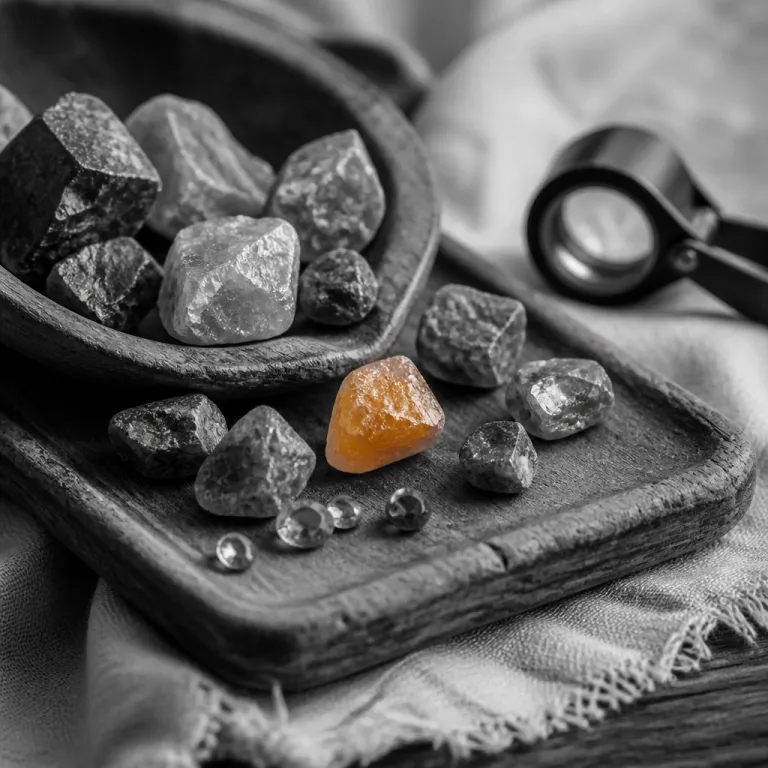
Why rare gemstones alexandrite padparadscha collecting is entering its moment
As prices for top rubies, emeralds, and blue sapphires surge, sophisticated gemstone collectors are quietly reallocating capital toward rarer stones with asymmetric potential. This shift is reshaping how serious owners think about a gemstone collection, moving focus from familiar names to genuinely rare gemstones that cannot be industrially scaled. In this context, rare gemstones alexandrite padparadscha collecting has become a disciplined strategy rather than a passing fascination.
For a jewelry investor who already owns important diamonds and classic colored gemstones, the question is no longer whether to add a rare gemstone, but which stone offers the best balance of beauty, scarcity, and liquidity. Alexandrite with strong color change, unheated padparadscha sapphire in calibrated sizes, and neon paraiba tourmaline from Brazil now sit beside demantoid garnet and fine spinel in the same safe. Each of these stones behaves differently in the market, so your long term plan must account for geology, mining realities, and evolving taste among collectors.
Think of your existing rings and high jewelry pieces as the blue chip core, and these rare gemstones as your carefully chosen growth positions. A single investment grade alexandrite gem of 2 carats with vivid color change can rival a much larger stone in value, while a suite of matched padparadscha sapphires in white gold or rose gold can anchor an entire capsule collection. The aim is not to chase trends, but to source rare stones that will still feel relevant when your grandchildren open the vault.
Alexandrite: the color change chameleon that resists mass production
Alexandrite is the cornerstone of any serious rare gemstones alexandrite padparadscha collecting strategy, because its color change cannot be faked at scale. In daylight or cool LED light, a fine alexandrite gemstone shows a saturated green to bluish green, then shifts to a rich red or purplish red under warm incandescent light. This dramatic color change phenomenon is caused by chromium in the crystal structure and is far more pronounced in natural stones than in most lab grown material.
Russian alexandrite from the historic Ural Mountains remains the reference point, with tight supply and a long auction record that gemstone collectors study closely. Brazilian stones often show stronger clarity and size, while Sri Lankan alexandrite can offer attractive value with slightly softer color but still excellent color change. When you evaluate an alexandrite gem, you are effectively pricing three variables at once — daylight color, incandescent color, and the strength of the shift between them.
For rings and an engagement ring featuring alexandrite, insist on a full origin treatment report from a respected lab such as GIA or another institute in America that specializes in colored stones. The best investment grade examples are natural, untreated, and show a clean body with minimal inclusions, yet some collectors accept minor inclusions in exchange for exceptional color change. If you plan a long term hold, prioritize a single rare gem of top quality over several mediocre stones, and mount it in white gold or yellow gold with minimal metal around the stone so the color can breathe.
Spinel deserves a brief mention here, because it often competes with alexandrite for the same connoisseur budget. Historically misidentified as ruby, spinel has its own compelling thesis for patient investors, and a detailed argument can be found in this analysis of why collectors with long horizons are betting on stones nobody has heard of. Alexandrite remains rarer in nature, but the comparison sharpens your eye for what truly scarce color looks like in a stone.
Padparadscha sapphire: the sunrise color that defies rigid grading
Padparadscha sapphire sits at the heart of rare gemstones alexandrite padparadscha collecting, yet it is also the most debated. The term padparadscha originally described a lotus blossom hue, a delicate blend of pink and orange that seems to hold both sunrise and sunset in a single gemstone. Modern labs and auction houses still wrestle with where pink sapphire ends and padparadscha sapphire begins, which creates both opportunity and risk for collectors.
In practice, you are looking for a natural corundum gem where pink and orange are present in a harmonious mix, without brownish or overly yellow undertones that deaden the color. Some padparadscha sapphires lean more pink, others more orange, and different labs — including GIA and other institute America style laboratories — may not always agree on the label. This subjectivity means that two stones of similar appearance can carry very different prices depending on how a particular lab has worded its origin treatment and color comments.
For investment grade pieces, prioritize unheated padparadscha sapphires with strong saturation and even color distribution, supported by a reputable report that clearly names the stone as padparadscha sapphire. A single rare gem of 2 to 4 carats can anchor a serious gemstone collection, especially when set in rose gold or yellow gold to warm the pink and orange tones, or in white gold for a cooler, more contemporary effect. When you shop for such a rare gemstone, work with a dealer who can source rare stones directly from Sri Lanka or Madagascar and who understands how different labs describe padparadscha in both singular and plural forms.
Silk inclusions — fine rutile needles that create a soft internal glow — can enhance the charm of padparadscha when they are subtle and evenly distributed. For a deeper dive into how this internal texture affects value across gemstones, the essay on the allure and mystery of silk in gemstones is essential reading. In padparadscha, a whisper of silk can make the color feel more atmospheric, while too much will cloud the stone and undermine its investment case.
Paraiba tourmaline, demantoid, and the new hierarchy of rare stones
Paraiba tourmaline rewrote the rulebook on what a relatively obscure gem species can achieve when color and rarity align. The original Brazilian paraiba stones, with their electric blue to green neon color, moved from curiosity to six figure per carat territory in a few decades, proving that a rare gemstone outside the Big Three can command serious capital. For gemstone collectors, this paraiba story is a case study in how geology, marketing, and genuine scarcity interact over the long term.
Today, when you evaluate paraiba tourmaline for an investment grade purchase, you must distinguish between Brazilian origin and later African deposits, and you must read the origin treatment notes on the lab report with care. Many paraiba stones are heated to improve color, which is acceptable if transparently disclosed, but the most coveted examples are vivid, clean, and as close to natural as possible. A single paraiba gem of 3 carats with strong saturation can sit comfortably beside alexandrite and padparadscha in a curated gemstone collection, especially when mounted in white gold or rose gold to frame the neon color.
Demantoid garnet occupies a different niche, prized not only for its dispersion — the fire that can exceed diamonds — but also for its characteristic horsetail inclusions in Russian stones. Here, clarity is not the goal; those golden horsetail patterns are a fingerprint of Ural origin and can increase value, a reminder that not every rare gem follows the same rules. When you source rare demantoid stones, insist on a detailed report from GIA or another respected lab, and accept that matched pairs for rings or earrings will be a hard find compared with more common gemstones.
As you weigh these options, remember that each stone class — paraiba tourmaline, demantoid, alexandrite, and padparadscha — responds differently to shifts in taste and supply. Building a resilient gemstone collection means holding a mix of stones that shine in different market cycles, rather than betting everything on a single rare gemstone narrative. In this emerging hierarchy, it is not the carat count, but the fire in the stone.
From safe to setting: how to mount and shop these rare gemstones
Owning rare gemstones is only half the equation; how you set them determines both daily pleasure and long term resilience. Many collectors keep their finest gemstone collection in a vault while wearing secondary stones in everyday rings, but a more nuanced approach can let you enjoy your best pieces without reckless exposure. The key is to match each gemstone to an appropriate setting style, metal, and wear pattern.
Alexandrite, with its color change magic, deserves open settings that allow light from multiple angles, such as a classic three stone ring in white gold or yellow gold with tapered diamond side stones. Padparadscha sapphires often sing in rose gold, which amplifies their pink and orange tones, while paraiba tourmaline can look almost too intense unless balanced by cool white gold or platinum. When you design an engagement ring around a rare gem, consider a halo of small diamonds to protect the center stone physically and visually, without overwhelming its character.
For pieces you plan to wear frequently, prioritize robust mountings with low profiles and secure prongs, especially for stones with cleavage or brittleness concerns. Reserve more delicate settings for cocktail rings and high jewelry that will see occasional, controlled wear, and keep a written record of each gemstone’s lab report, origin treatment details, and purchase history. When you shop for new stones or shop engagement pieces that feature rare gemstones, work only with dealers who can provide full documentation and who understand the specific care needs of each stone.
Some collectors commission twin versions of a favorite design — one with an ultra rare gem for the safe, and another with a more common gemstone for regular wear. This strategy lets you enjoy the design language of your collection while preserving the most valuable stones for the long term. In every case, the setting should serve the stone, not the other way around.
Where to buy: navigating labs, provenance, and specialist dealers
The most successful rare gemstones alexandrite padparadscha collecting stories begin with disciplined sourcing rather than inspired design. You are not simply buying a pretty stone; you are acquiring a documented asset whose value rests on verifiable facts about origin, treatment, and rarity. That means your first line of defense is a serious lab report from GIA or another top tier institute in America or Europe, not a sales pitch.
For alexandrite, padparadscha sapphires, paraiba tourmaline, and other rare gemstones, insist on reports that clearly state whether the stone is natural or lab grown, and whether any treatments such as heating or filling have been applied. The origin treatment language matters because a natural, unheated padparadscha sapphire from Sri Lanka with a strong report will sit in a different price bracket from a heated stone of similar appearance. When you evaluate multiple stones, compare their reports side by side, paying attention to color descriptions, comments on inclusions, and any notes about unusual features that might affect long term desirability.
Specialist dealers, high end auction houses, and trusted mining country contacts are the three main channels for sourcing these stones. A boutique shop with deep expertise in rare gem sourcing can often access stones before they reach public markets, while auctions provide transparent price discovery for investment grade pieces, especially in larger sizes. For a deeper understanding of how provenance shapes value across colored stones, the analysis of ruby origins and what they mean for value offers a useful framework that applies equally to alexandrite, padparadscha, and paraiba.
As you build relationships with dealers, make it clear that you are a long term client who values transparency over quick wins. Ask to see both singular and plural examples of each stone type — several padparadscha sapphires, multiple paraiba stones, a range of alexandrite gems — so you can calibrate your eye and understand the price spectrum. Over time, your network becomes as valuable as any individual stone, because it gives you first look at the rare gem that truly belongs in your collection.
FAQ
Are alexandrite and padparadscha sapphire suitable for daily wear in rings ?
Alexandrite and padparadscha sapphire are both relatively durable, but they are not indestructible. Alexandrite has good hardness and toughness, making it suitable for rings if set low and protected, while padparadscha sapphire shares the same hardness as other sapphires and tolerates daily wear with sensible care. For an engagement ring or frequently worn piece, choose sturdy settings in white gold, yellow gold, or rose gold, and avoid exposing the stone to hard knocks or harsh chemicals.
How can I verify that a padparadscha sapphire is natural and unheated ?
The only reliable way to confirm that a padparadscha sapphire is natural and unheated is through a report from a respected gemological lab such as GIA or another major institute. That report should clearly state that the gemstone is natural corundum, identify the color as padparadscha, and note whether any heat treatment has been detected. When you evaluate investment grade stones, prioritize those with unheated status and transparent origin treatment comments, as they tend to hold value better over the long term.
Why are paraiba tourmaline and alexandrite considered investment grade by some collectors ?
Paraiba tourmaline and alexandrite are considered potential investment grade stones because their geological supply is extremely limited and cannot be scaled through large industrial mining. Both gemstones exhibit unique optical effects — neon color in paraiba and dramatic color change in alexandrite — that are difficult to replicate convincingly in lower quality material. When combined with strong lab documentation and careful selection, top examples of these stones can behave like alternative assets within a diversified jewelry portfolio.
Should I buy rare gemstones loose or already set in jewelry ?
Buying rare gemstones loose allows you to inspect the entire stone, confirm proportions, and send it to a lab for independent verification before committing to a setting. Purchasing stones already set in rings or other jewelry can offer immediate wearability, but prongs and bezels may conceal chips, inclusions, or other issues that affect value. Many serious collectors acquire investment grade stones loose, secure full documentation, then commission custom settings that respect both aesthetics and long term preservation.
How important is origin compared with color when collecting rare stones ?
Color is what you live with every day, while origin is what the market pays for at the highest levels. In many cases, a beautifully colored stone from a secondary origin can be more satisfying than a weaker stone from a prestigious source, especially for personal wear. For serious collecting and potential resale, the ideal is a combination of top color, strong origin, and clear lab documentation, but if you must compromise, prioritize beauty first and provenance second.