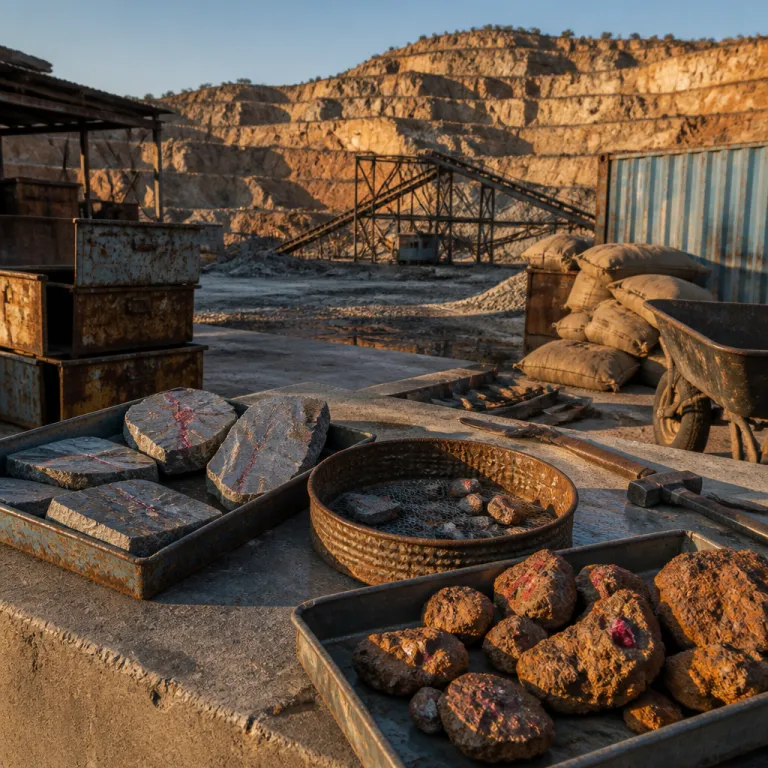
Why origin now drives the ruby market more than size
For serious collectors, the real ruby buying guide on origin and provenance from Burma begins with one blunt fact. A one carat stone from the Mogok valley in Burma can outprice a three carat ruby from another origin when the colour, history, and documentation align. In the current market, rubies typically command their highest quality premiums when the origin is Burmese and the colour is a saturated, slightly purplish red.
Think of ruby as a category where geography writes the price tag. Within fine gemstones, the hierarchy runs from top Burmese rubies from Mogok, then other Burmese material, followed by strong Mozambique stones, and finally Thai or Cambodian goods. This origin ladder matters more than incremental gains in clarity, because connoisseurs pay for rarity, pedigree, and the way each gemstone handles red color under different lights.
When you evaluate rubies as investment grade gemstones, you are really weighing provenance against everything else. A modest carat weight Burmese ruby with exceptional color clarity and strong fluorescence can eclipse a larger Mozambique stone with weaker saturation. For jewellery owners who already understand diamond grading, the ruby market flips the script, because origin and colour trump the kind of microscopic inclusions that would dominate a ruby diamond conversation.
The Burmese mystique: Mogok, pigeon blood and the glow
Among all rubies, Burmese rubies from the Mogok valley sit at the apex of desirability. Collectors prize this Burmese material for a red color that seems lit from within, often described as pigeon blood when the tone and saturation reach a specific, vivid balance. In practice, that pigeon blood label is reserved for stones whose colour combines a pure blood red body with a subtle fluorescence that keeps the gemstone bright even in low light.
In fine jewellery, a single Burmese ruby of high quality can anchor an entire collection. When you see top Burmese rubies in person, the difference is not just about deeper red or better color clarity, but about how the stones react to daylight, candlelight, and gallery lighting. Under ultraviolet rich light, many rubies Burmese in origin show strong fluorescence, which amplifies the red colour and creates that unmistakable Mogok glow.
Because of this effect, quality rubies from Mogok often appear larger and more vivid than their carat weight suggests. A one carat pigeon blood Burmese ruby with untreated rubies status and an origin report can command several times the price of a heated stone of similar size from Mozambique. If you are considering a ruby diamond ring, this is why the centre ruby gemstone from Burma can quietly outweigh the diamonds in both value and narrative; for styling inspiration around such pieces, a useful reference is the analysis of the allure of ruby rings as stackable treasures.
Mozambique versus Burma: value plays and trade offs
While Burma dominates the mythology, Mozambique has reshaped the ruby market for collectors who value both beauty and rational pricing. Mozambique rubies can show a rich red color with excellent color clarity, sometimes approaching the look of Burmese rubies at a fraction of the cost. For many jewellery owners, these stones offer high quality aesthetics without the steep premiums attached to the highest quality Burmese material.
In the Mozambique category, you will see a wider range of hues, from slightly pinkish red to deeper blood red tones. The best Mozambique stones, especially in brilliant cut or cushion cut, can rival Burmese rubies in face up colour, though they often show less strong fluorescence and a subtly different flavour of red. When set in ruby diamond suites or modern jewellery, these gemstones can deliver exceptional quality visual impact, particularly when the cut maximises brightness and masks minor inclusions.
From a collecting strategy perspective, Mozambique rubies are the current value play for carat weight above three carats. At these sizes, unheated Burmese rubies become vanishingly rare, while Mozambique stones remain available with strong colour and respectable origin documentation. If you are building a broader coloured stones portfolio, it is worth reading connoisseur perspectives on underappreciated gemstones, such as the argument for spinel in a thesis on long horizon gemstone collecting, then applying the same disciplined thinking to your ruby acquisitions.
Reading lab reports: what origin and treatment really tell you
For any serious ruby buying guide on origin and provenance from Burma, laboratory documentation is non negotiable. A report from a respected lab such as GIA, Gübelin, or SSEF will state the gemstone species, the geographic origin when determinable, and whether the stone has been subjected to heat or other treatments. These reports are the backbone of trust in a market where rubies typically pass through many hands before reaching a final jewellery owner.
When a report states Burmese origin, it means the lab has matched the stone’s internal features and trace element chemistry to reference samples from Burma, often specifically from Mogok or related deposits. The same applies to Mozambique origin, where the chemical fingerprint and inclusion patterns align with known Mozambique stones. However, even the best labs cannot always separate closely related sources, and they will say so explicitly when the origin category remains uncertain.
Treatment information is equally critical, because untreated rubies from Burma or Mozambique command substantial premiums over heated stones. Heat can improve colour and clarity, but it also moves the gemstone into a different value bracket, especially for carat weight above two carats. When you see a report noting strong fluorescence in a Burmese ruby, that detail supports both the visual appeal and the case for higher pricing, particularly when combined with a brilliant cut and high quality colour.
Price expectations by origin, size and quality tier
Pricing rubies is less about memorising numbers and more about understanding how origin, carat weight, and quality interact. At around one carat, a heated Mozambique ruby of good red color and decent clarity might sit in a mid four figure range, while a comparable Burmese ruby could reach significantly higher levels. If that Burmese stone is unheated, with pigeon blood colour and strong fluorescence, the price can multiply again, reflecting both rarity and collector demand.
Move to three carats, and the gap between Mozambique and Burmese material widens dramatically. High quality Mozambique stones with vivid red colour and attractive cut can still be found at prices that feel rational relative to their visual impact, especially when set in substantial jewellery. By contrast, three carat Burmese rubies of exceptional quality, particularly those from Mogok with documented origin and untreated status, often trade privately or at auction, where competition between collectors drives values far beyond retail benchmarks.
At five carats and above, the market behaves more like fine art than standard gemstones. A five carat Mozambique ruby with strong colour clarity and a balanced brilliant cut can anchor a major ruby diamond jewel without entering stratospheric pricing. A five carat Burmese ruby of the highest quality, especially a blood ruby from Mogok valley with pigeon blood colour and no heat, belongs to a tiny club of stones where each sale effectively resets the price record; in this range, it is not the carat count, but the fire in the stone.
Building a connoisseur level ruby collection for the long term
For a jewellery owner moving from occasional purchases to a curated ruby collection, strategy matters as much as taste. Start by deciding whether your focus will be on Burmese rubies with impeccable provenance, Mozambique stones offering strong value, or a mix that balances both categories. This clarity will guide choices on carat weight, cut style, and whether you prioritise single statement pieces or versatile jewels you can wear frequently.
Many collectors begin with a one to two carat centre stone in a ring, then add earrings or a pendant as they refine their understanding of colour and origin. A classic approach is to secure one benchmark Burmese ruby with documented Mogok origin and then complement it with Mozambique rubies that offer similar red color at more accessible price points. Over time, this creates a narrative collection where each gemstone tells a different chapter of the same story, from the legendary Mogok valley to the newer Mozambique fields.
Styling also plays a role in how you experience these gemstones day to day. Rubies set in yellow gold can emphasise warmth and blood red depth, while platinum or white gold settings sharpen the contrast and highlight color clarity. For ideas on how red gemstones behave across different designs and metals, it is worth studying broader perspectives on the allure of red gemstone jewellery, then applying those insights to your own ruby pieces, whether Burmese or Mozambique in origin.
Key figures and market signals for ruby collectors
- According to major auction houses, top Burmese rubies from Mogok have achieved price per carat levels that rival or exceed colourless diamonds in the highest quality grades, underscoring how origin can outweigh traditional clarity metrics.
- Industry reports indicate that unheated Burmese rubies can command premiums of three to five times over comparable heated stones of the same carat weight and colour, especially when supported by origin reports from leading laboratories.
- Market analyses from coloured gemstone specialists show that demand for Mozambique rubies has grown sharply over the past decade, as collectors seek high quality red gemstones with strong colour at prices below the rarest Burmese material.
- Data from trade organisations highlight that rubies typically represent a small fraction of overall gemstone volume by weight, yet account for a disproportionately high share of value, reflecting the intense focus on origin and provenance.
FAQ: reading ruby origin and provenance like a collector
How much more valuable is a Burmese ruby than a Mozambique ruby
The value difference between a Burmese ruby and a Mozambique ruby depends on carat weight, colour, clarity, and treatment, but Burmese stones with strong provenance usually command higher prices. At one to two carats, a fine unheated Burmese ruby can cost several times more than a comparable Mozambique stone with similar red color. As sizes increase beyond three carats, the price gap often widens, because high quality Burmese material becomes extremely scarce while Mozambique supply remains more available.
What does pigeon blood actually mean for ruby colour
Pigeon blood is a trade term used for rubies that show a vivid, slightly purplish red colour with medium to medium dark tone and strong saturation. In practice, only a small fraction of Burmese rubies and an even smaller fraction of Mozambique stones qualify for this description at top laboratories. When a report uses the term in conjunction with Burmese origin and no heat, it signals a gemstone at the upper end of the quality spectrum.
Why is fluorescence important in Burmese rubies
Fluorescence in Burmese rubies, especially strong fluorescence under ultraviolet rich light, contributes to the characteristic inner glow that collectors prize. This effect can make the red colour appear more vivid and lively in daylight and mixed lighting, helping the stone stand out even at modest carat weight. While some buyers worry about fluorescence in diamonds, in rubies it is often considered a positive trait, particularly for Mogok material.
Are untreated rubies always better than heated stones
Untreated rubies are rarer and usually more valuable than heated stones of similar appearance, especially when the origin is Burmese or Mozambique. However, a well cut heated ruby with excellent colour and clarity can be more beautiful and wearable than an untreated ruby with poor saturation or distracting inclusions. For most jewellery owners, the best choice balances visual appeal, budget, and the importance they personally place on natural, untreated status.
Which lab reports should I insist on for high value rubies
For high value rubies, especially those represented as Burmese or Mozambique origin, you should insist on reports from internationally recognised laboratories such as GIA, Gübelin, or SSEF. These labs provide detailed information on species, origin when determinable, and treatments, giving you a reliable basis for assessing price and quality. For very important stones, some collectors commission reports from more than one lab to cross check origin and treatment conclusions.