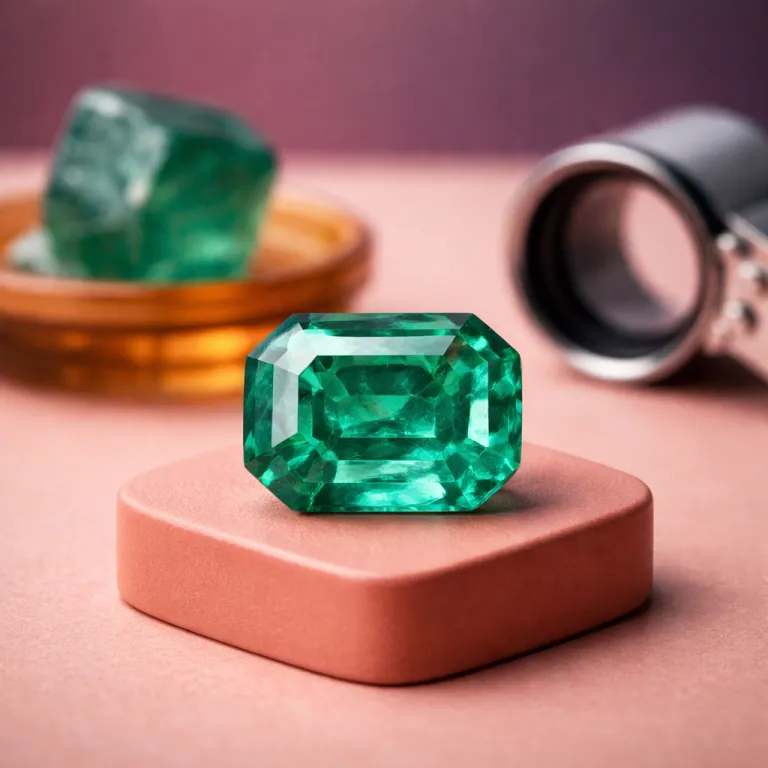
Why emerald became May’s birthstone of renewal and romance
Emerald is May’s birthstone because its vivid green echoes spring growth. In ancient Egypt the green color of this gemstone was associated with rebirth, eternal youth, and the kind of enduring love that people born in this month still like to claim as their own. For a modern collector, that symbolism turns an emerald stone into more than a gem; it becomes a narrative thread that runs through a lifetime of jewelry.
Historically, emeralds were prized long before diamonds, with Cleopatra’s famed mines near the Red Sea yielding stones that defined royal taste. Those early emerald mines linked the green stone to power and protection, and many cultures believed the birthstone emerald brought good luck and sharpened intuition to its wearer. When you choose emerald jewelry today, you are quietly aligning yourself with that long continuum of status, mystique, and almost talismanic prestige.
Because emerald belongs to the beryl family of gemstones, it shares a crystal structure with aquamarine yet carries a very different emotional charge. Collectors value the gem not only as a birthstone but as a stone associated with renewal, romantic commitment, and the courage to begin again. For people born in May, an emerald necklace or a pair of emerald earrings can become a personal emblem, a green emerald signature that feels more intimate than any engraved date on a pendant necklace.
Reading emerald color and inclusions like a specialist
A serious May birthstone emerald buying guide always begins with color, because color drives value more than carat weight. The finest emerald gemstone examples show a saturated medium to medium-dark green color with a subtle blue modifier, never drifting into murky tones that make the stone look tired. When you evaluate emeralds in your own jewelry, step back from the loupe and ask whether the overall green feels alive, balanced, and luminous in normal daylight.
Collectors often hear terms like neon green, bluish green, and olive green without anyone explaining the difference. Neon-style emeralds, often from certain Zambian emerald mines, can show a bright, almost electric green color that pops in a diamond halo but may feel less classic in a traditional emerald-cut solitaire. Bluish green stones, frequently associated with top Colombian material from Muzo or Chivor, tend to look refined and velvety, while more olive green stones, sometimes seen in Brazilian or lower grade material, can read slightly brownish and are better reserved for accent stones rather than a hero emerald necklace.
Because emerald is a Type III gemstone, inclusions are expected and should be read as character, not a flaw. These natural inclusions, often called the jardin or garden of the stone, help gemologists separate natural emeralds from lab-created or lab-grown material, and they also contribute to origin determination. When you examine an emerald for purchase, look for inclusions that are gently feathered or mossy rather than harsh fractures that reach the surface, since those can weaken the emerald in a ring or pendant necklace that sees daily wear.
For collectors considering an emerald band ring in gold as a timeless investment, the way color and inclusions balance across multiple stones becomes crucial. A refined guide to choosing an emerald band ring in gold will emphasize matching tone and saturation so the green gemstones read as a continuous ribbon rather than a patchwork. In that context, slightly included stones with harmonious color often look more luxurious on the hand than overly clean gems with uneven green color that distracts the eye.
Origin, oil treatment, and the new era of emerald reports
Any serious May birthstone emerald origin guide must address where your stone comes from, because origin now shapes both price and perception. Colombian emeralds from Muzo and Chivor are traditionally associated with a warm yet slightly bluish green color and a distinctive inclusion pattern that many connoisseurs can recognize at a glance. Zambian emeralds, by contrast, often show cleaner crystal, a cooler blue-green tone, and have seen notable price increases in recent years according to Rapaport market commentary, reflecting growing respect for these stones.
Brazilian emeralds can range widely in color and clarity, from bright green stones with moderate inclusions to paler beryl that works better in earrings or a delicate pendant necklace. Afghan emeralds from the Panjshir Valley sometimes combine Colombian-style color with relatively high clarity, making them compelling for an emerald-cut center stone framed by a diamond halo in a ring or emerald necklace. For people born in May who want their emerald birthstone to carry a specific story, asking for origin on the certificate is no longer a luxury; it is a baseline expectation.
Treatment is the other non-negotiable topic, because almost every natural emerald is oiled to some degree. Laboratories typically grade this as None, Minor, Moderate, or Significant, and each level affects both price and long-term stability of the emerald in jewelry. A gem with no oil or only minor oil will command a premium, while a stone with significant oil may look attractive initially but can lose transparency if the filler dries out or is damaged during cleaning.
Recent changes in colored stone reporting have made life easier for collectors who want clarity about origin and treatment. The Gemological Institute of America (GIA) redesigned its colored stone reports to expand origin determination for emerald, ruby, sapphire, alexandrite, Paraíba tourmaline, and red spinel, and later added opal, peridot, and demantoid garnet, giving buyers more structured data about their gemstones. When you pair those reports with a detailed invoice and, for diamonds in any emerald jewelry, an informed perspective on how natural and lab-grown diamonds compare, resources such as this analysis of a lab grown versus natural diamond strategy can help you align your emerald gemstone choices with your broader collection philosophy.
For settings that mix emeralds and diamonds, such as a diamond halo around a central green stone, it is worth reading about how baguette-cut diamonds behave in long-term wear. A thoughtful guide to why a diamond eternity ring with baguette cut stones is considered a lasting investment will sharpen your eye for symmetry, proportion, and craftsmanship. Those same principles apply when you evaluate an emerald-cut center stone flanked by tapered baguettes, where the harmony between the green emerald and the white stones can either elevate or diminish the entire piece.
Natural versus lab grown emeralds, and how to protect the stone
Collectors weighing natural emeralds against lab-grown options should start with honesty about priorities. A natural emerald gemstone carries geological history, natural inclusions, and origin stories from Colombian or Zambian emerald mines that no lab-created crystal can replicate, but it will cost more and often show visible inclusions. Lab-grown emeralds, by contrast, offer a cleaner look and lower price, yet their resale and emotional value rarely match a fine natural stone.
In a May birthstone emerald origin guide aimed at serious owners, the key is not to dismiss lab-created stones outright but to place them correctly in your collection. A lab-grown emerald stone can be perfectly appropriate for playful earrings or a fashion-forward pendant necklace where you want bold green color without the anxiety of wearing a museum-grade gem to the gym. Reserve your finest natural emeralds, especially those with documented origin and minimal oil, for pieces of emerald jewelry that mark milestones and will be serviced only by trusted ateliers.
Whatever you choose, emerald’s position at 7.5 to 8 on the Mohs hardness scale means it is durable enough for daily wear but has cleavage planes that make it more vulnerable to sharp blows than a diamond. That is why an emerald-cut stone should be set with protective prongs or a bezel, especially in rings that see more impact than an emerald necklace or earrings. Avoid ultrasonic cleaners and harsh steam on any emerald birthstone, because both can disturb oil treatments and exacerbate existing fractures in the emerald.
For people born in May who wear their birthstone daily, design choices can quietly extend the life of the gem. Closed backs, slightly heavier bezels, and halos of diamonds or colored gemstones can shield the green stone from knocks while adding presence on the hand or at the throat. In the end, good luck with emeralds is less about superstition and more about pairing the right stone, the right setting, and the right care routine so the green color you love stays luminous for decades.
Three price tiers for building an emerald birthstone wardrobe
A practical May birthstone emerald origin guide should translate connoisseurship into clear buying tiers. At the entry level, think of petite emerald necklaces, bezel-set emerald earrings, or a slim band of calibrated green stones where the emphasis is on pleasing color rather than perfect clarity. In this tier, you might accept more visible inclusions and mixed-origin stones, focusing instead on craftsmanship and how the jewelry feels when you actually wear it.
The mid tier is where many serious professionals build their everyday emerald jewelry. Here you are looking at a well-cut emerald stone of around 0.50 to 1.00 carat in an emerald cut or oval, framed by a discreet diamond halo or clean gold shoulders, with a reputable lab report confirming natural origin and oil in the None to Minor range. Pieces in this bracket, whether a pendant necklace or a right-hand ring, should transition effortlessly from boardroom to evening, offering a green color that reads confident under office lighting and candlelight alike.
At the top tier, origin, treatment, and design all tighten. You are selecting natural emeralds from named mines such as Muzo, Chivor, or premium Zambian sources, with strong yet balanced green color, harmonious natural inclusions, and lab documentation that supports both origin and minimal enhancement. These stones belong in heirloom-level settings, perhaps an emerald-cut center framed by tapered baguette diamonds or a sculptural emerald necklace that feels as considered as a piece of art.
For people born in May, building across these tiers over time creates a wardrobe rather than a single statement. A delicate green emerald pendant for everyday, a structured ring with a commanding emerald for negotiations, and lyrical drop earrings for evenings will serve different facets of your life and style. In the end, what matters most is not the carat count, but the fire in the stone.
FAQ
Why is emerald considered the birthstone for May?
Emerald is linked to May because its green color mirrors spring growth and renewal. Ancient cultures, including Egypt, associated the gemstone with rebirth, fertility, and enduring love, which aligned naturally with the month when nature returns to life. Over time, that symbolism solidified into the modern tradition of emerald as the official May birthstone.
How much should I expect to see inclusions in a natural emerald?
Natural emeralds are classified as Type III gemstones, which means inclusions are normal and almost always visible without magnification. You should expect a jardin of internal features that can look mossy, feathery, or veiny, and these natural inclusions help confirm that the stone is genuine rather than synthetic. Focus on whether the inclusions are stable and not breaking the surface in ways that could weaken the stone in jewelry.
Do emerald origin and mine names really affect value?
Origin has a measurable impact on emerald pricing, because certain regions consistently produce stones with highly prized color and inclusion patterns. Colombian emeralds from Muzo and Chivor often command a premium for their saturated bluish green tones, while fine Zambian stones have gained value thanks to their clarity and strong color. A reputable lab report that states origin gives you confidence that the price you pay reflects the stone’s geological pedigree.
Is a lab grown emerald a good choice for fine jewelry?
Lab-grown emeralds can be a smart option when you want bold green color at a more accessible price, especially for fashion-forward pieces you wear often. They typically show fewer inclusions and more uniform color than natural stones, but they do not carry the same rarity or long-term collectability. For milestone pieces or heirlooms, most connoisseurs still prefer natural emeralds with documented origin and carefully disclosed treatment.
What settings are safest for wearing emeralds every day?
Because emeralds are hard but can chip along cleavage planes, protective settings are essential for daily wear. Bezel settings, halos, and designs with slightly recessed stones offer better protection than high, exposed prongs, especially in rings that see frequent impact. Necklaces and earrings are naturally safer, but any emerald should be shielded from hard knocks and cleaned gently without ultrasonic or steam devices.
